
Conservation · Greenford, London, United Kingdom
Dam Good Idea: The London Beavers Offering Respite from Drought
In Greenford, west London, beavers are holding water in an urban wetland through heat and drought, showing how one local nature-based solution can help a city adapt to a changing climate.
By Eleanor Jolliffe, Climate Change MSc Student & Writer · Oct 19, 2026 · 5 min read
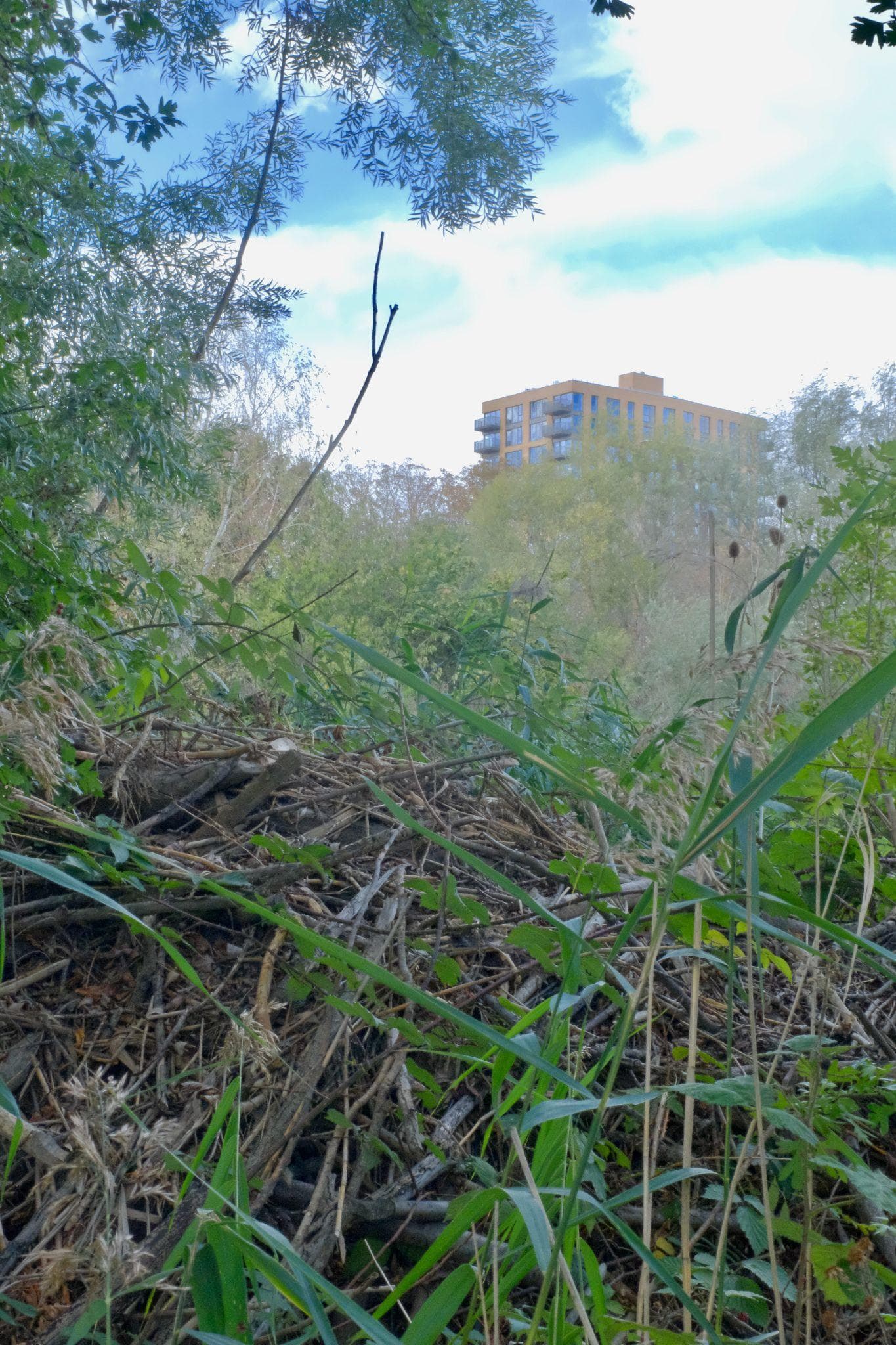
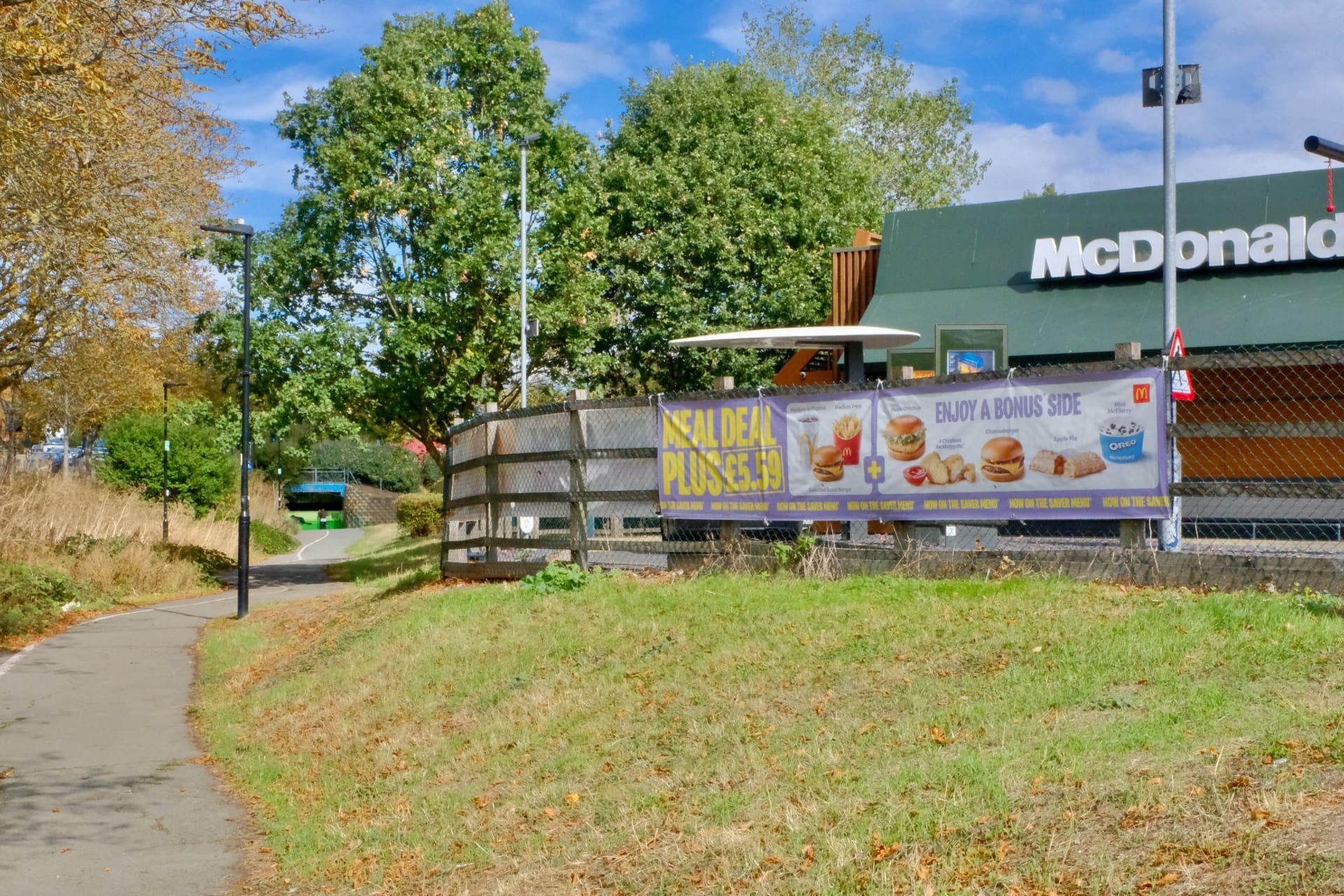
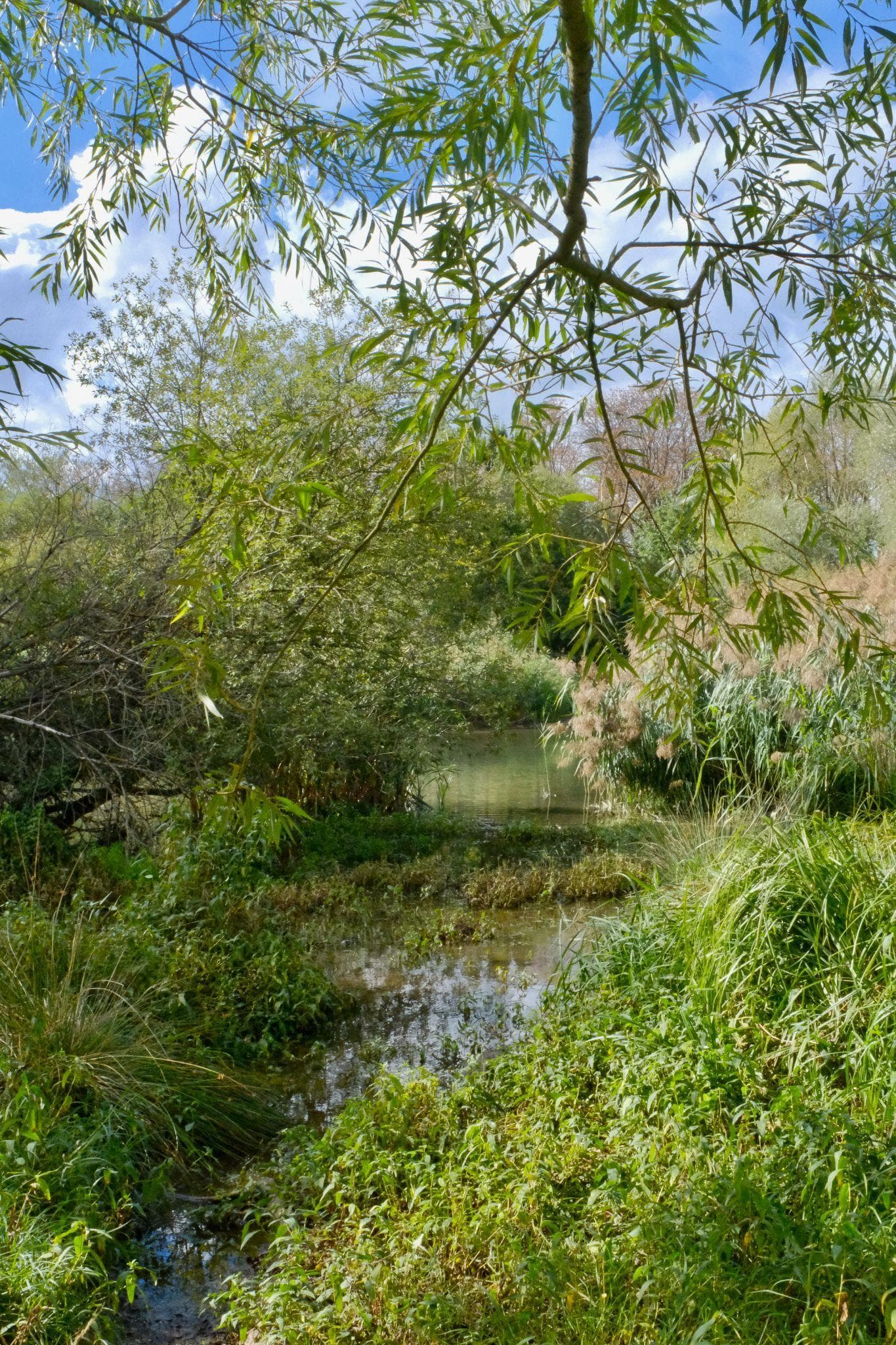
Forget sex in the city. In Greenford, a leafy but distinctly urban part of Ealing, they've introduced beavers to the city. Just 10 minutes from Greenford station and 50 yards from McDonald's, you'll find the Ealing Beaver Project, a mosaic of ponds, channels and woodland. After a summer of heatwaves, it is conspicuously lush and seemingly a few degrees cooler than the congested roads it sits under.
A different answer to flooding
Beavers were introduced to this part of Ealing in 2023, partially to prevent flooding. After frequent floods affected Greenford station, local authorities considered creating an artificial reservoir using concrete and heavy machinery. A group of conservationists, led by Sean McCormack, suggested a different idea: beavers.
By creating dams, digging channels and felling small trees, the semi-aquatic rodents slow water flow during floods. McCormack says what makes them so brilliant is that their dams create complex wetlands. Sometimes referred to as ecosystem engineers or keystone species, beavers build dams that trap water and woody debris, soak nearby soil, and create conditions for wetland species to establish.
When flood protection meets drought
Following a public consultation in the area, which McCormack says was met with overwhelming public support, beavers were introduced in October 2023. This marked Britain's first and only beaver enclosure fully accessible 24 hours a day, 365 days a year. Since 2024, across the beavers' second and third winters onsite, the station has not flooded for the first time in over a decade.
However, with August confirmed by the EU's Copernicus Climate Change Service as the joint hottest month on record, flooding is not top of mind. Tied with July 2023 and driven by a combination of climate change and El Niño, August 2026 saw average temperatures over the month hit 1.65°C above pre-industrial levels. The Met Office found the summer's temperature increase was approximately 130 times more likely because of human-caused climate change.
The impacts of August's record-breaking heat are severe. Drought struck two-thirds of England, triggering hosepipe bans for almost 30 million households. Meanwhile, farmers are expecting the lowest harvests since records began in 1984 after crops were stunted by heat. Fire and rescue services also responded to 1,132 wildfires this year, up from 848 the previous year.
Beavers, the flat-tailed rodents hunted to extinction in the UK about 400 years ago, offer some respite from drought. In McCormack's words, while beavers "don't care about urban flooding or mitigating droughts" when building dams for their own protection, "they turn the entire landscape into a giant sponge that can absorb a flood event and release it slowly."
In a very arid, fire-prone landscape, this creates "oases of green, lush, damp, marshy land, and if a wildfire is ripping through the landscape, beaver wetlands act as a break." Beaver wetlands do not burn, he says: "You can't burn wet soil."
Across the canal, a control site
Across the canal from the project is a control site. It has a similar geographic location and habitat type, but no beavers. McCormack took me there, and the contrast was striking. "It's just bone dry," he said. "There's no aquatic or invertebrate life compared to here because there's no moisture in the system."
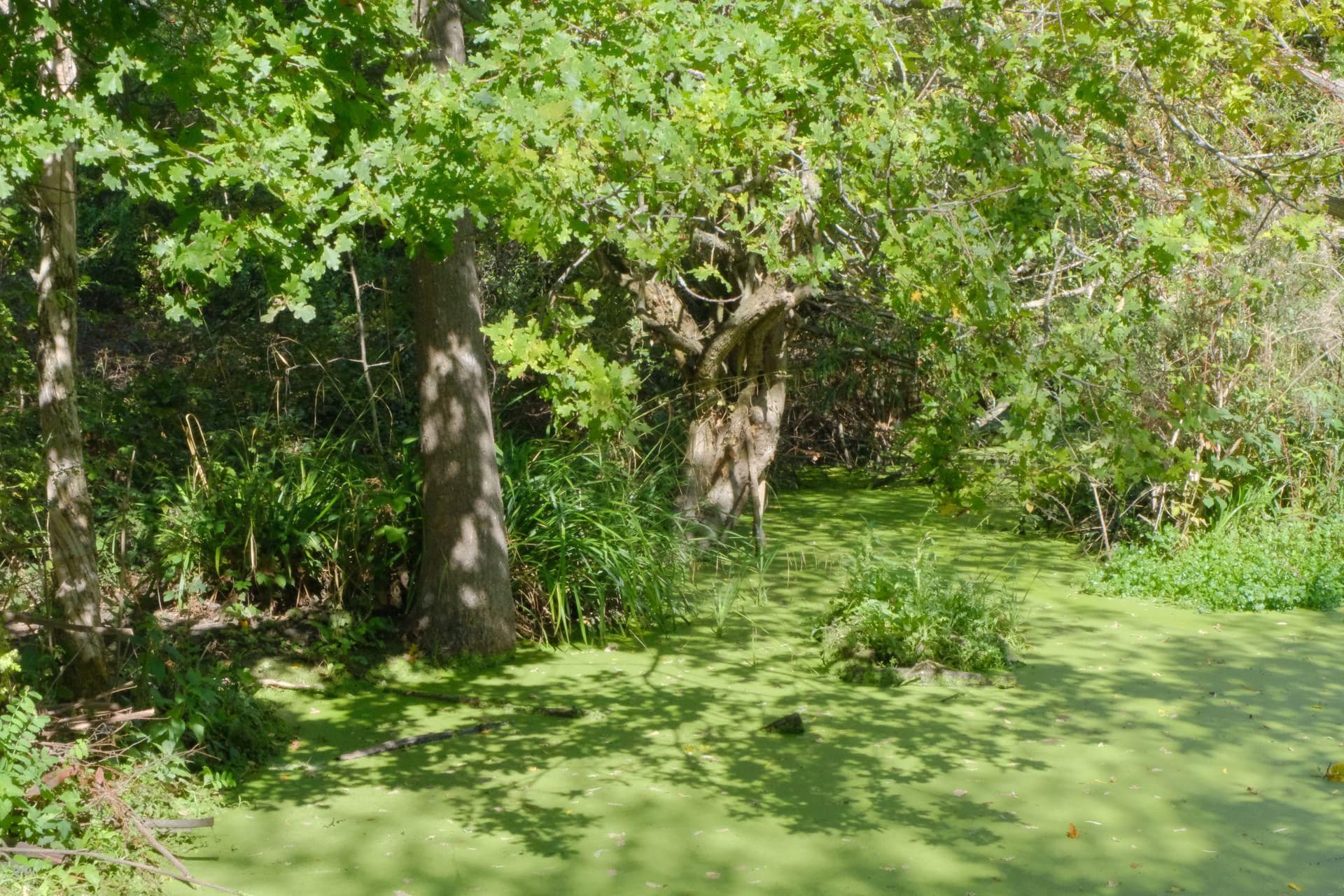
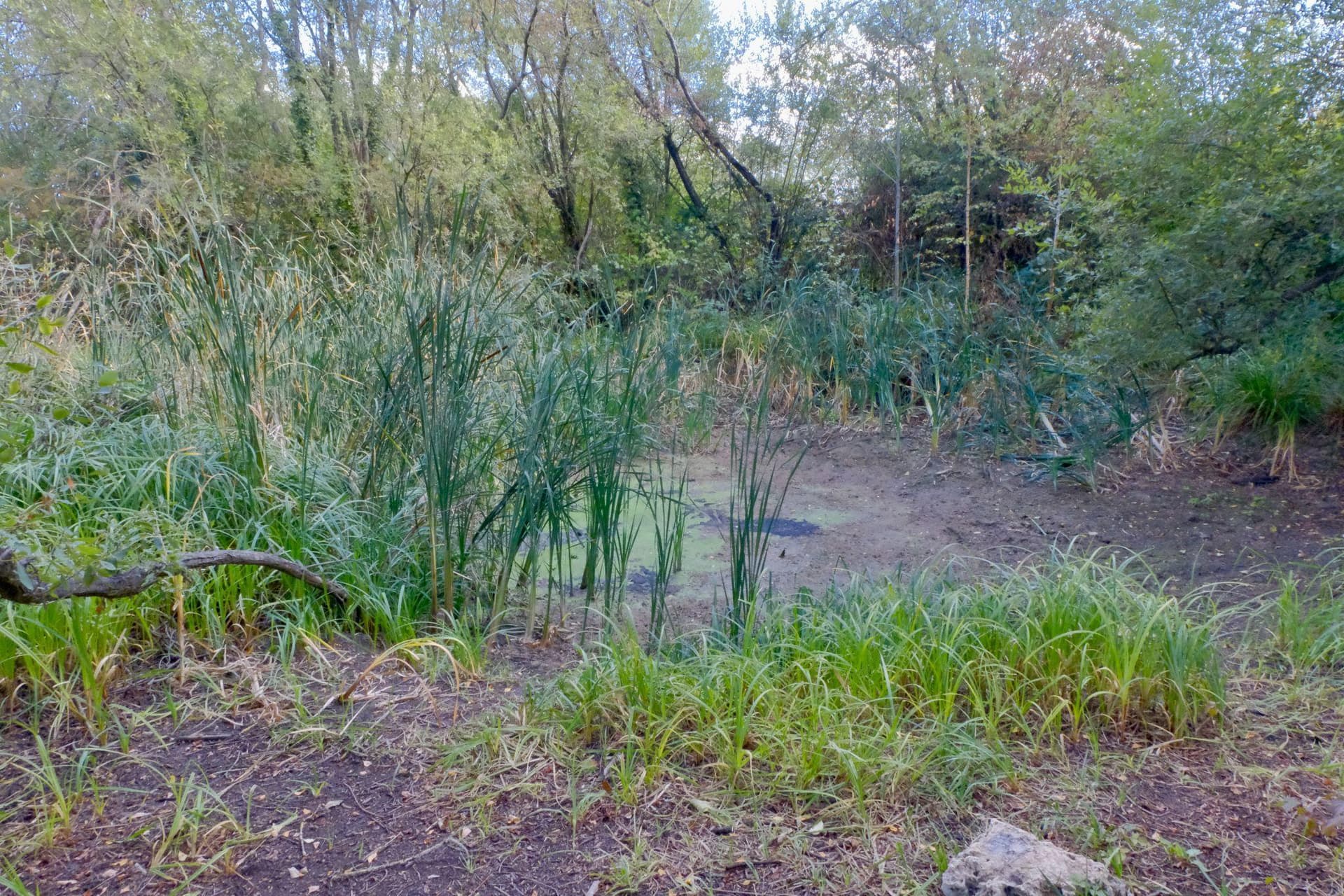
We should be explicit: this is not a perfect scientific experiment. There is ample data to capture, but as a volunteer-run organisation, the project does not have the resources to conduct extensive scientific research. The ecosystems at the sites are very similar, though the beaver site has a brook with running water while the control site's ponds, now dried up after the summer drought, would typically be static. Even with those limits, the comparison gives us a strong idea of the beavers' impact on their local environment.
Moreover, research from Devon found that a beaver enclosure on intensively managed grassland stored an additional one million litres of water across 13 dams. Onsite in Greenford, even with the beavers, water levels dropped to their lowest point yet after this summer's temperatures. Still, the beavers have kept virtually all the water coming onto the site there.
One tool, not a climate cure
Let's be clear, says McCormack: "Beavers are not this panacea for climate change. That's stupid, that's for sure over-egging it. But they're certainly one of our solutions." What beavers do very well, he thinks, is teach us that sometimes nature-based solutions are best.
According to the Met Office, in our current climate we can expect a summer like the one just experienced every nine years. Previously, a summer like this would have been exceptionally unlikely, occurring approximately every 1,000 years. Against this bleak backdrop, the nature-based solutions beavers bring by helping put water back into our landscapes are increasingly worthwhile.
Written by
Climate Change MSc Student & Writer
Eleanor JolliffeEleanor Jolliffe makes videos and writes about climate news, with an interest in stories across the spectrum from local nature based solutions to international climate diplomacy. She is also studying for a MSc in Climate Change at UCL, building scientific subject expertise. Her interest in climate communications and journalism was sparked while studying climate science and journalism abroad in Chile. While there, she made a video research project, Re-Placed, on climate migration in South America, interviewing indigenous people forcibly displaced due to a changing climate and extractive mining practices. In collaboration with Climate Action Against Disinformation, Eleanor has also traced how climate misinformation spread on London's Ultra Low Emission Zone policy across Reddit and Telegram. Previously she worked in digital resilience and corporate sustainability consulting. This included being part of Virgin Media O2's inaugural Climate Youth Advisory Council.
Read full profile →More from Untold News
Original and community reporting published through the Untold News desk.
 Phnom Penh, CambodiaNew
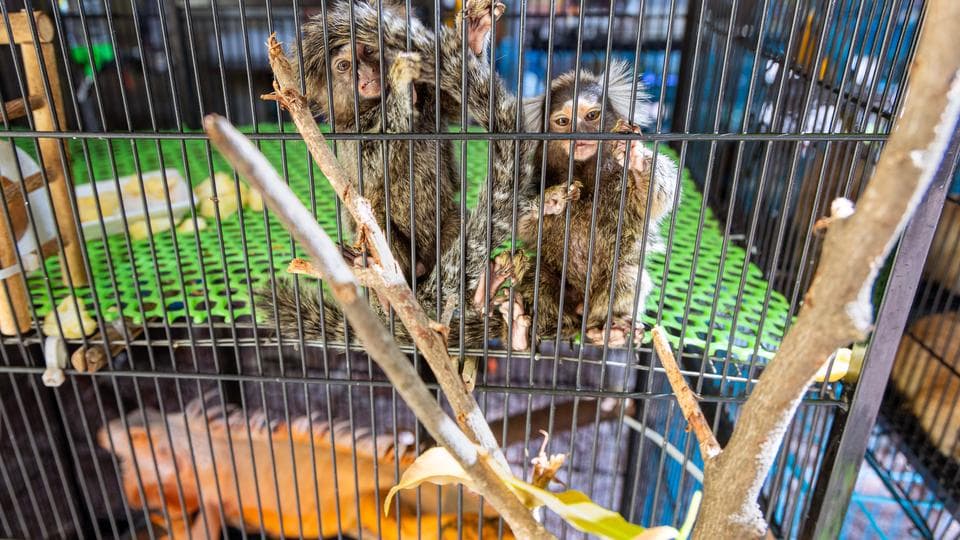
Social Media Supercharging Illicit Trade of Cambodian Wildlife
An investigation into Cambodia's exotic pet trade finds public social-media marketplaces connecting sellers with buyers while threatened native wildlife remains openly advertised.

Adam Roberts
Sep 16, 202611 min
Explore Untold Stories
Firsthand essays, field notes, and visual stories from the wider Untold community.
- Birds
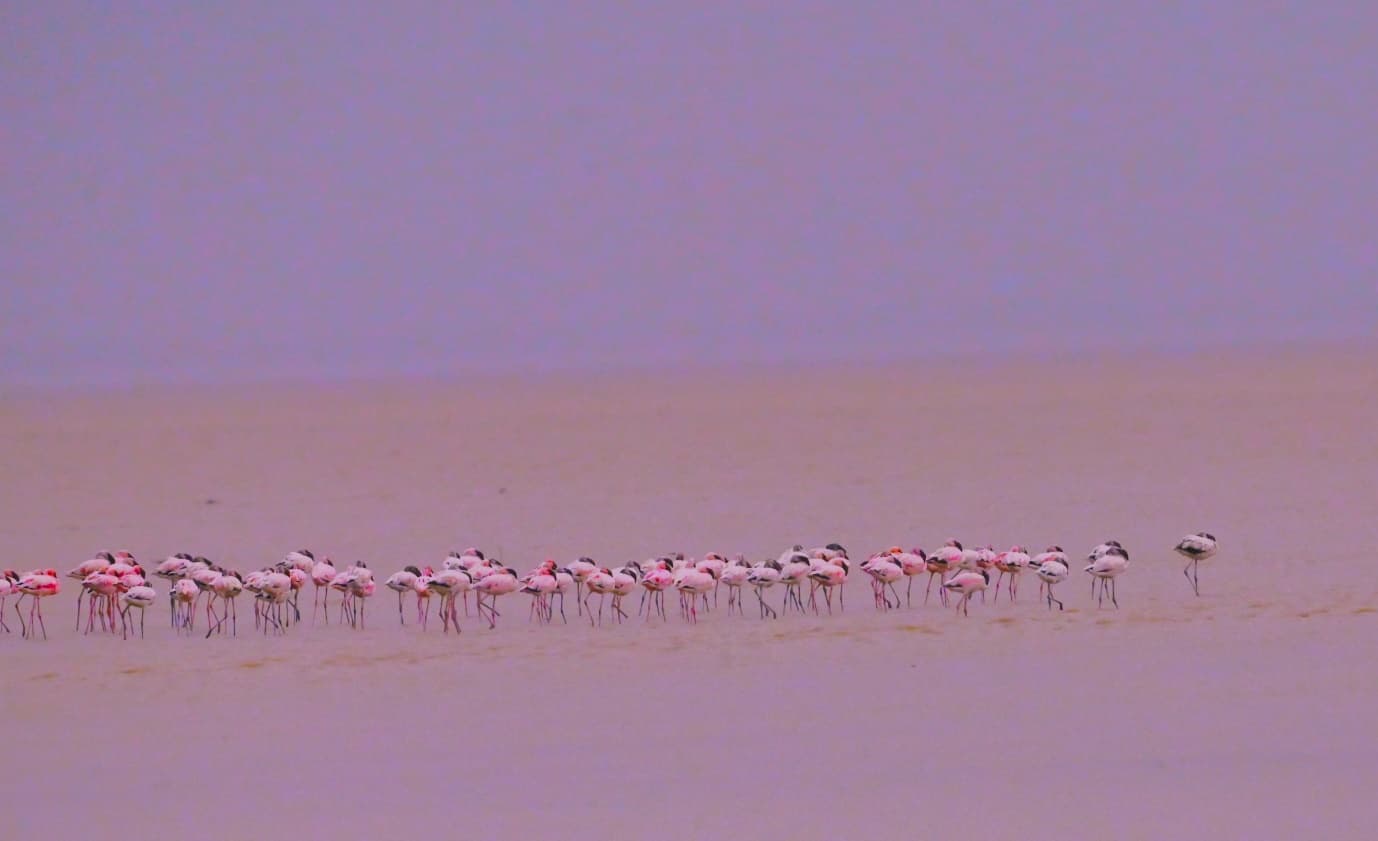 Little Rann of Kutch, Gujarat, IndiaNew
A Bed of Roses: Flamingos in the Little Rann of Kutch
Following a lone flamingo into the monsoon wetlands of Gujarat, Jair Luke Sam finds a flock in the Little Rann of Kutch and reflects on the changing water levels, salinity, and human pressures shaping its future.

Jair Luke Sam
Oct 31, 202613 min
- Marine
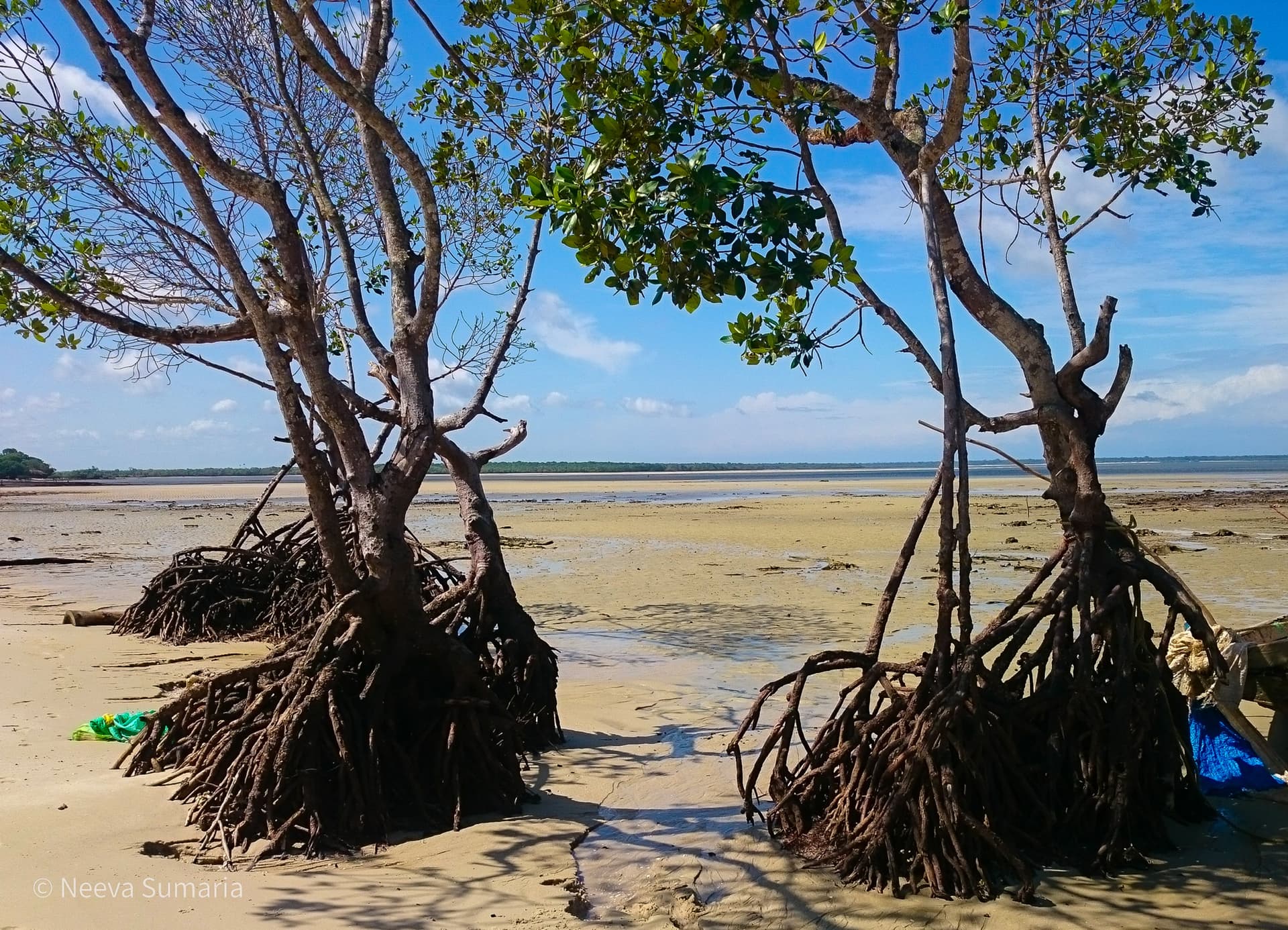 Shimoni, Kenya
Entangled in Mangroves
Where root meets tide, the mangrove holds the coast together — nursery, shelter, and frontline against a rising sea.

Neeva Sumaria
Aug 31, 20246 min
- Wildlife
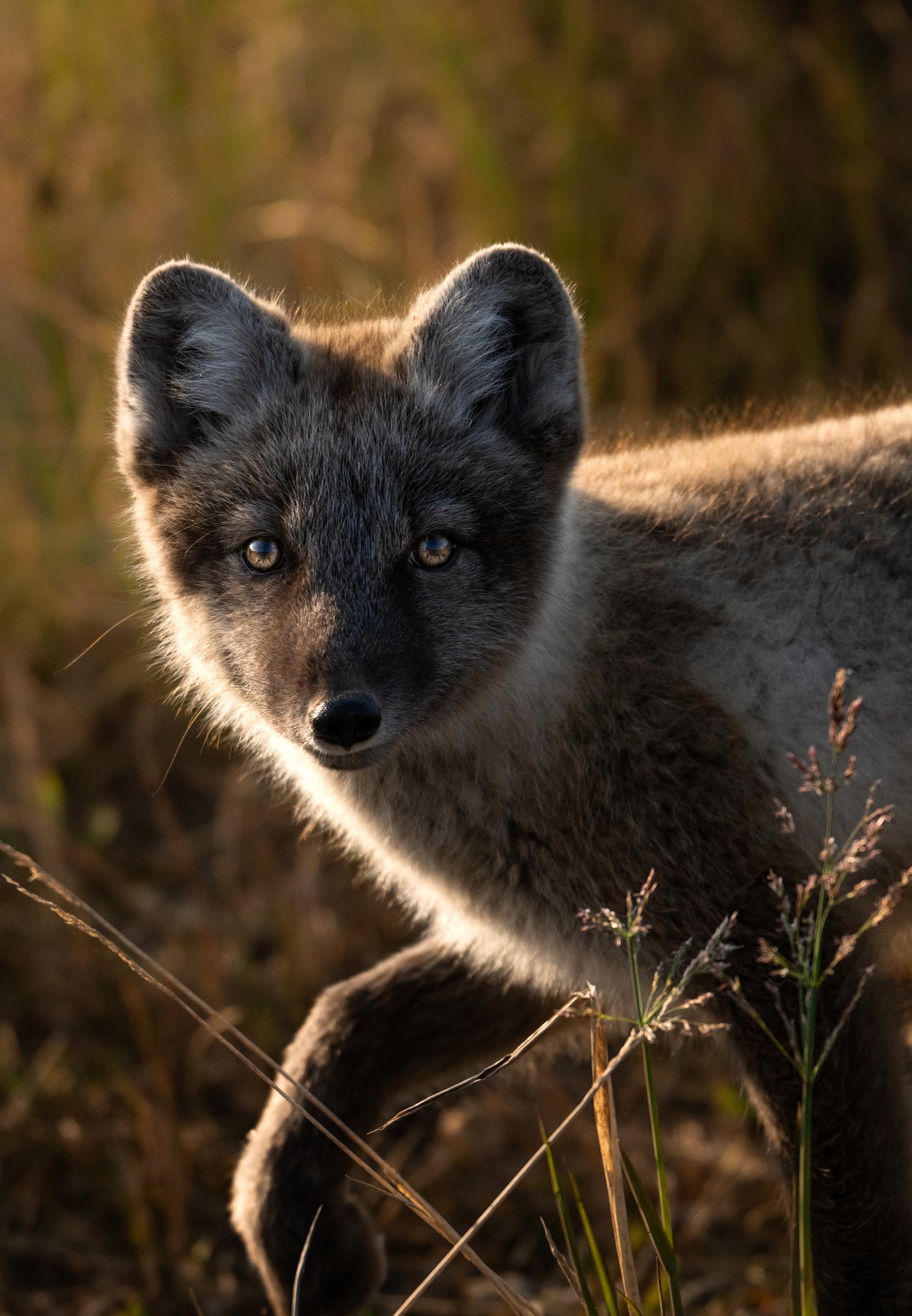 Svalbard, Norway
Climate Change and the Arctic Fox: The Red Fox Invasion
As the Arctic warms, the red fox is pushing north into territory the arctic fox has held for millennia — a quiet contest with the climate as referee.

Jacob Buck
Aug 15, 20244 min
- Wildlife
 Holbox Island, Mexico
Holbox Wildlife: How Urbanization Is Reshaping Mexico's Yucatán Peninsula
On a sandbar island where flamingos still wade the shallows, rapid development is rewriting the rules of coexistence between people and the wild.

Tamara Blazquez Haik
Feb 17, 20266 min
- City
 Vienna, Austria
Survival of the Fittest: How Wildlife Adapts to Urban Habitats
Foxes on the rooftops, falcons on the towers — a look at the wild animals quietly rewriting their rules to live alongside us.

Nikolai Goritschnig
Jul 29, 20244 min
- Birds
 Agartala, IndiaNew
The Rarest Bird in Agartala: a Global Story of Birds Disappearing in Plain Sight
In a north-eastern Indian town where old trees fall and ponds are filled overnight, the scarcest species isn't a bird at all. It's the birdwatcher, and noticing may be the simplest conservation there is.

Dhrubajyoti Bhattacharjee
Jun 30, 20267 min
- Marine
 French Polynesia
Guardians of the Deep: Lessons from Humpback Whales on Conservation and Connection
What the great migrations of humpback whales can teach us about resilience, recovery, and the threads that link distant oceans.

Rachel Moore
Mar 5, 20254 min
- Birds
 Dutch countryside, Netherlands
Protecting Barn Owls: Community Involvement in the Netherlands
How a network of volunteers, farmers, and nest-box builders gave the barn owl a foothold again across the Dutch countryside.

Nicolas Clerc
Sep 16, 20244 min