
Birds · Agartala, India
The Rarest Bird in Agartala: a Global Story of Birds Disappearing in Plain Sight

By Dhrubajyoti Bhattacharjee, Photographer · Jun 30, 2026 · 7 min read
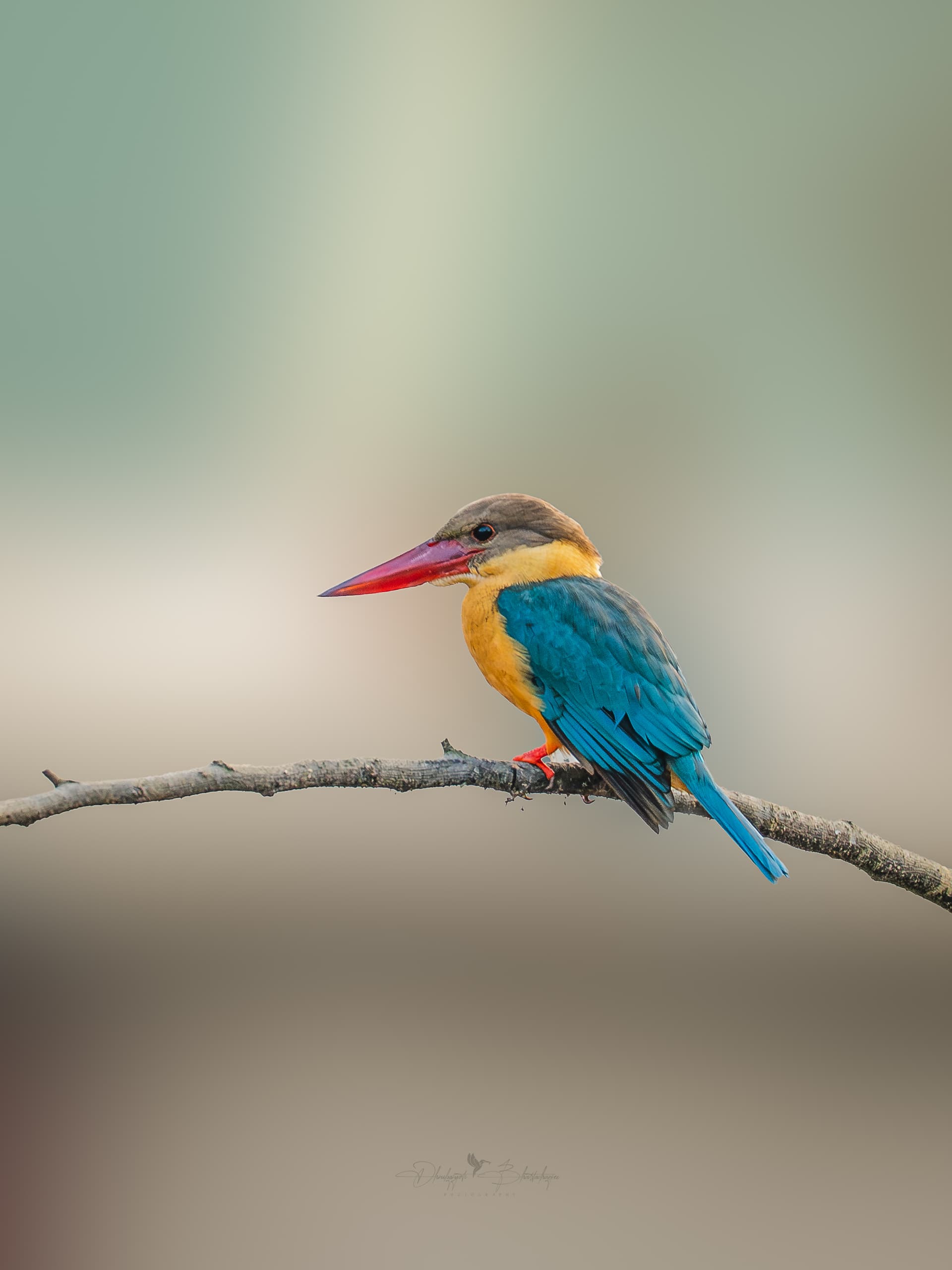
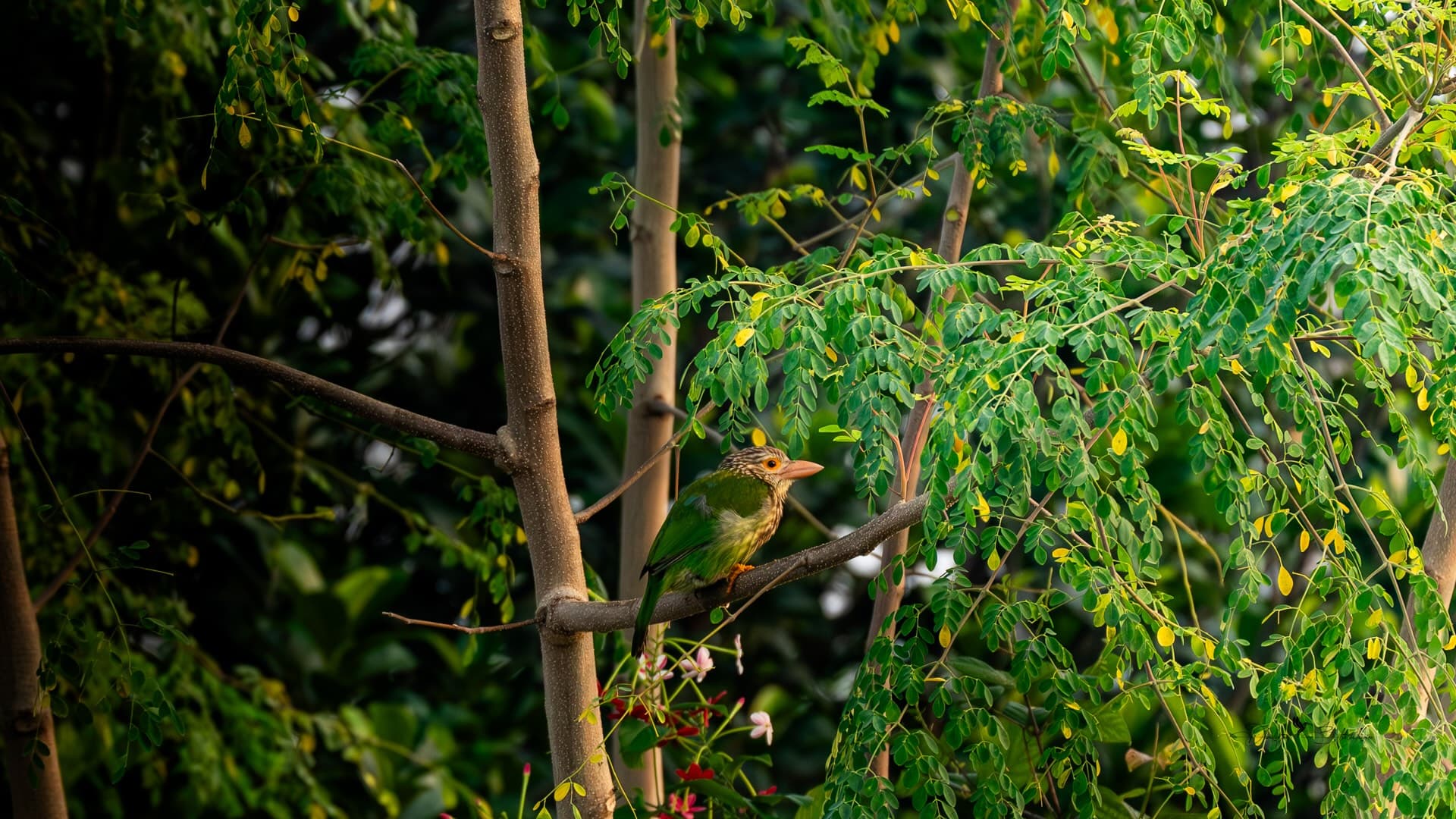
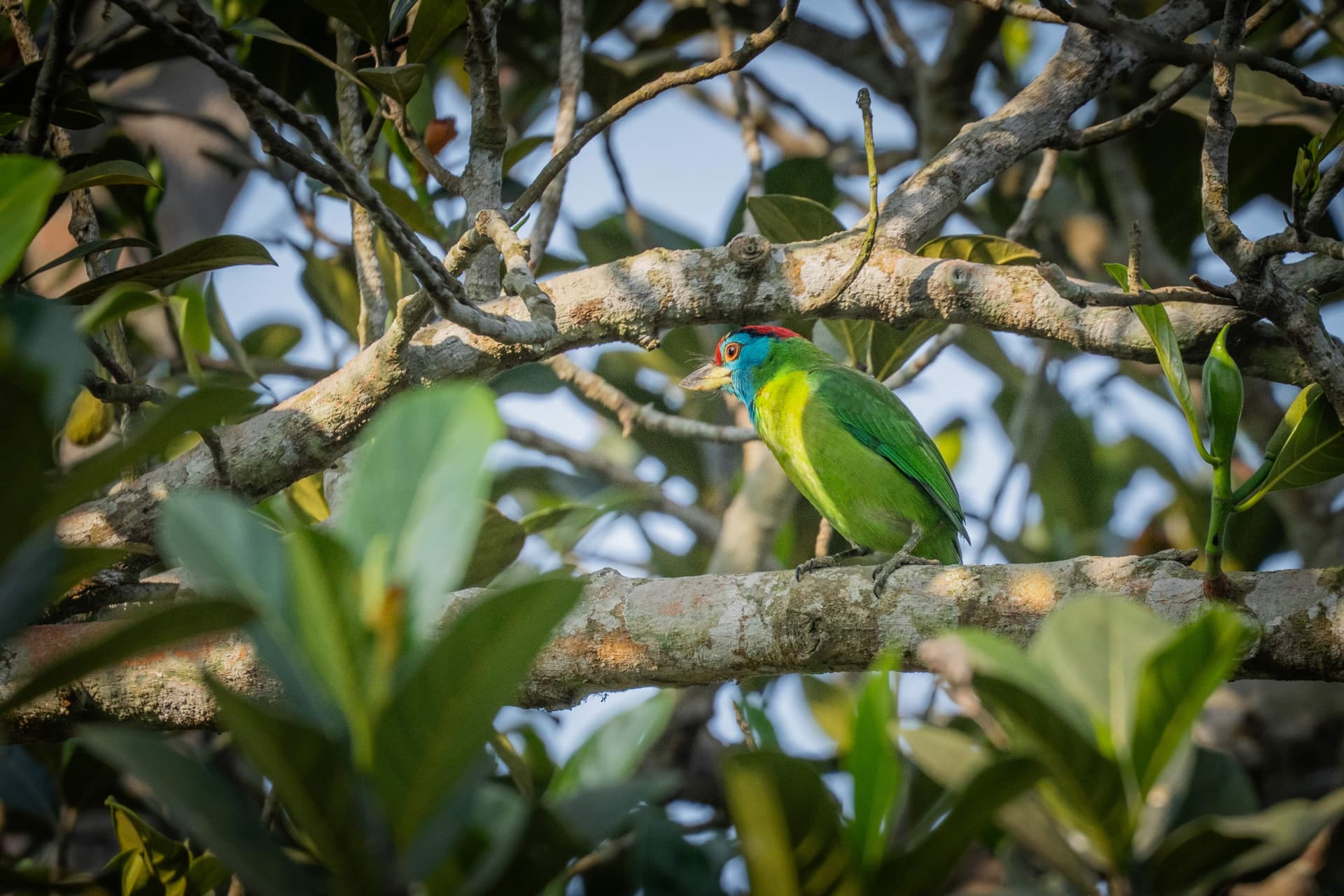
Take a moment to remember the garden from your childhood, wherever it was. Maybe it was a courtyard, a balcony, or a dusty patch behind your grandmother's house. There were sparrows, weren't there? Dozens of them, hopping under chairs, squabbling in the dirt, slipping in and out of a gap over the door to a nest you were told not to touch. A tailorbird scolded from the hibiscus. Somewhere, a barbet called out, always hard to find, camouflaged within the leaves. You didn't call it birding, and you didn't have binoculars. The birds were just there, part of everyday life.
Now go back to that same garden today, in your memory or in person, and count the sparrows. Many of you will struggle to reach five. Some of you will not find one.
This is what I want you to remember before we go on: birding doesn't only happen far away in forests or national parks with guides, permits, and expensive cameras. It used to happen all around you, every morning, for free, but now it's quietly fading. The birds didn't move to a national park. They slowly disappeared from our lives while we were busy with other things.
I cannot tell this story for your town. I can only tell it honestly, from my own perspective, from a town where I was born and grew up. So let me guide you to Agartala. A small town in the foothills of the Himalayas and the capital of the north-eastern Indian state of Tripura.
When I was a boy, the road in front of our house was lined with old Krishnachura trees, and every May the whole street turned red beneath them. The barbets and koels argued in those branches all afternoon, and the shade was deep enough that people pulled chairs out to sit under it in the worst of the summer heat. Those trees are gone now. The road is wider. There are no flowers in May, and there is no shade.
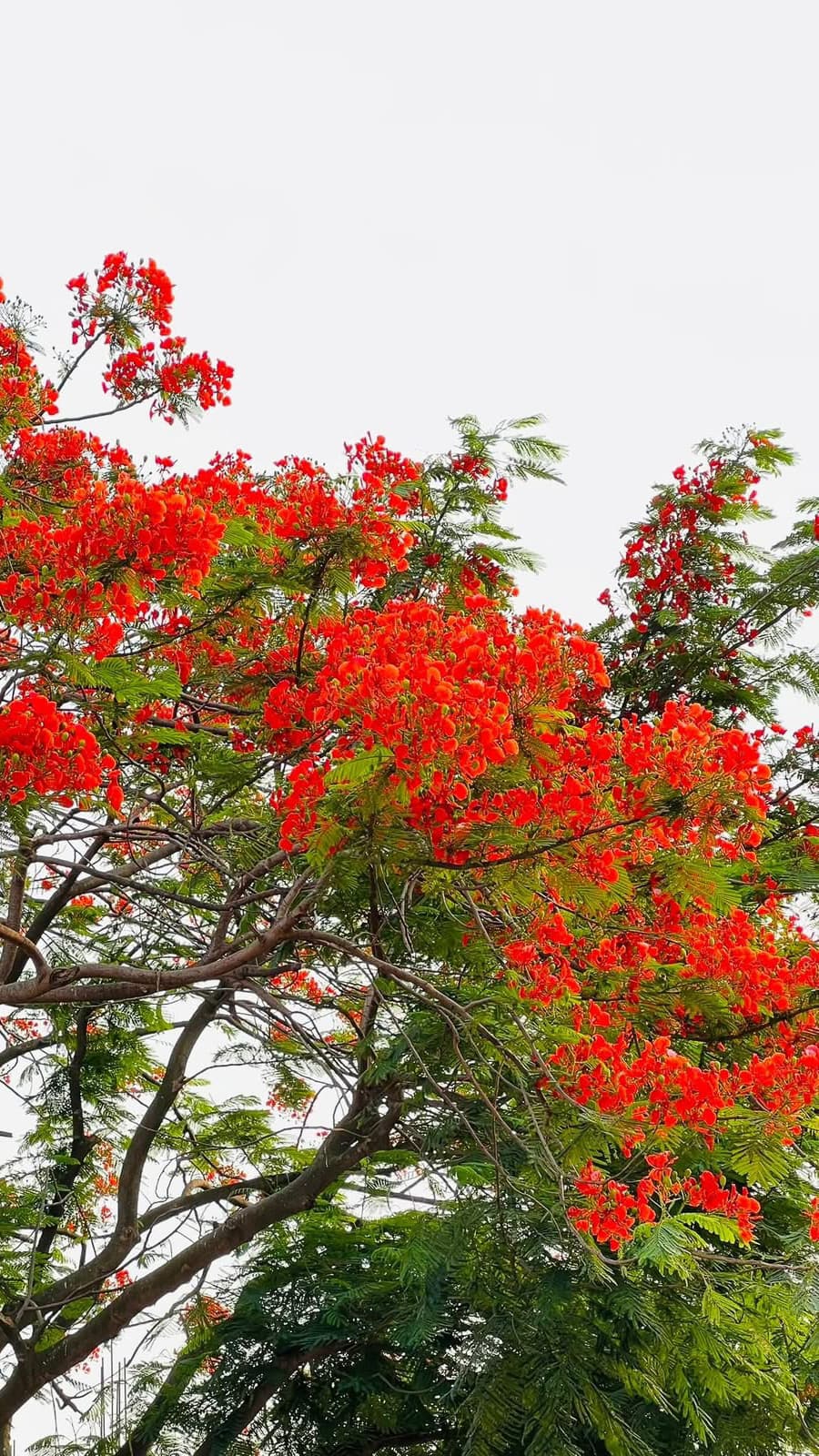
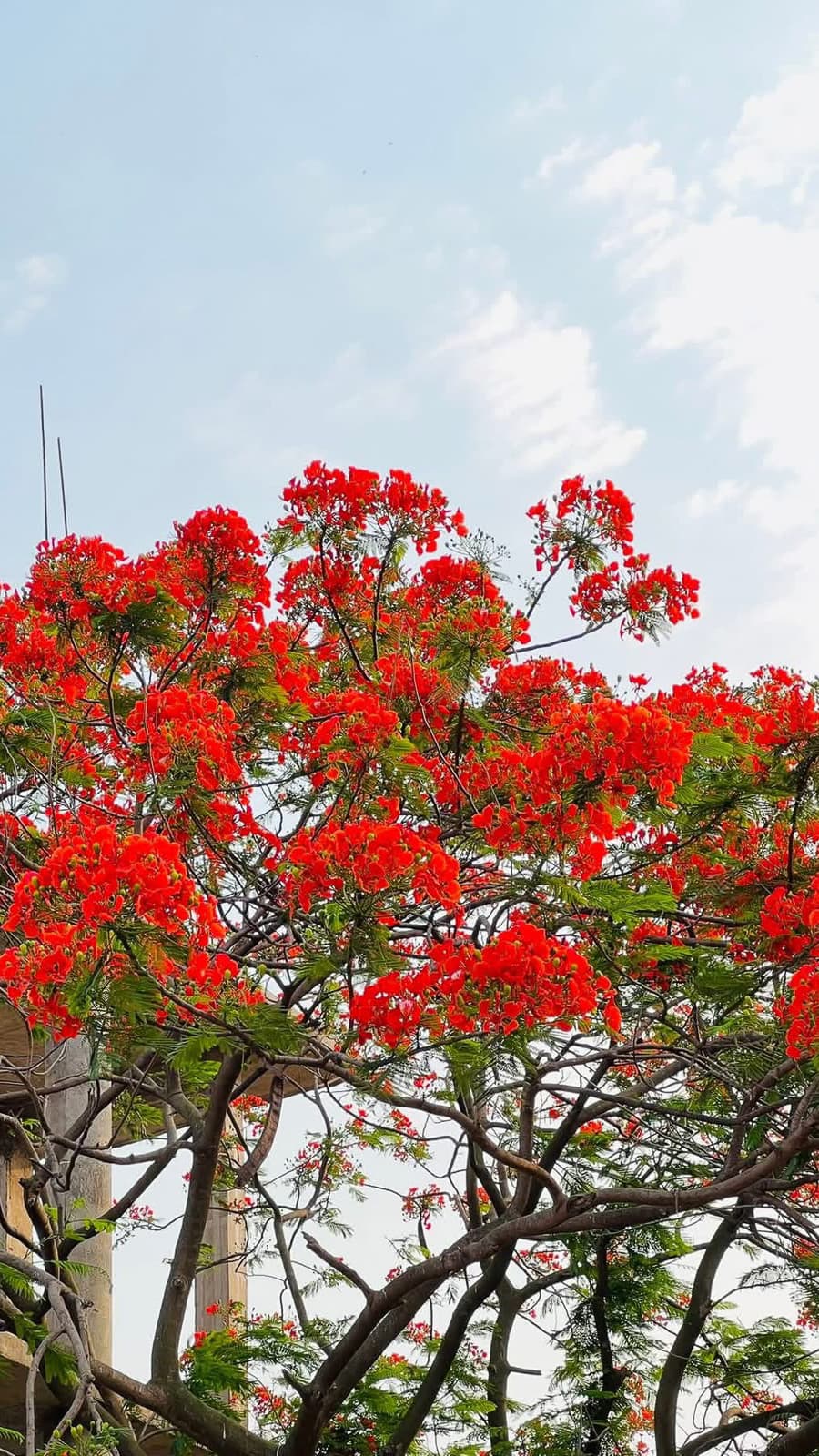
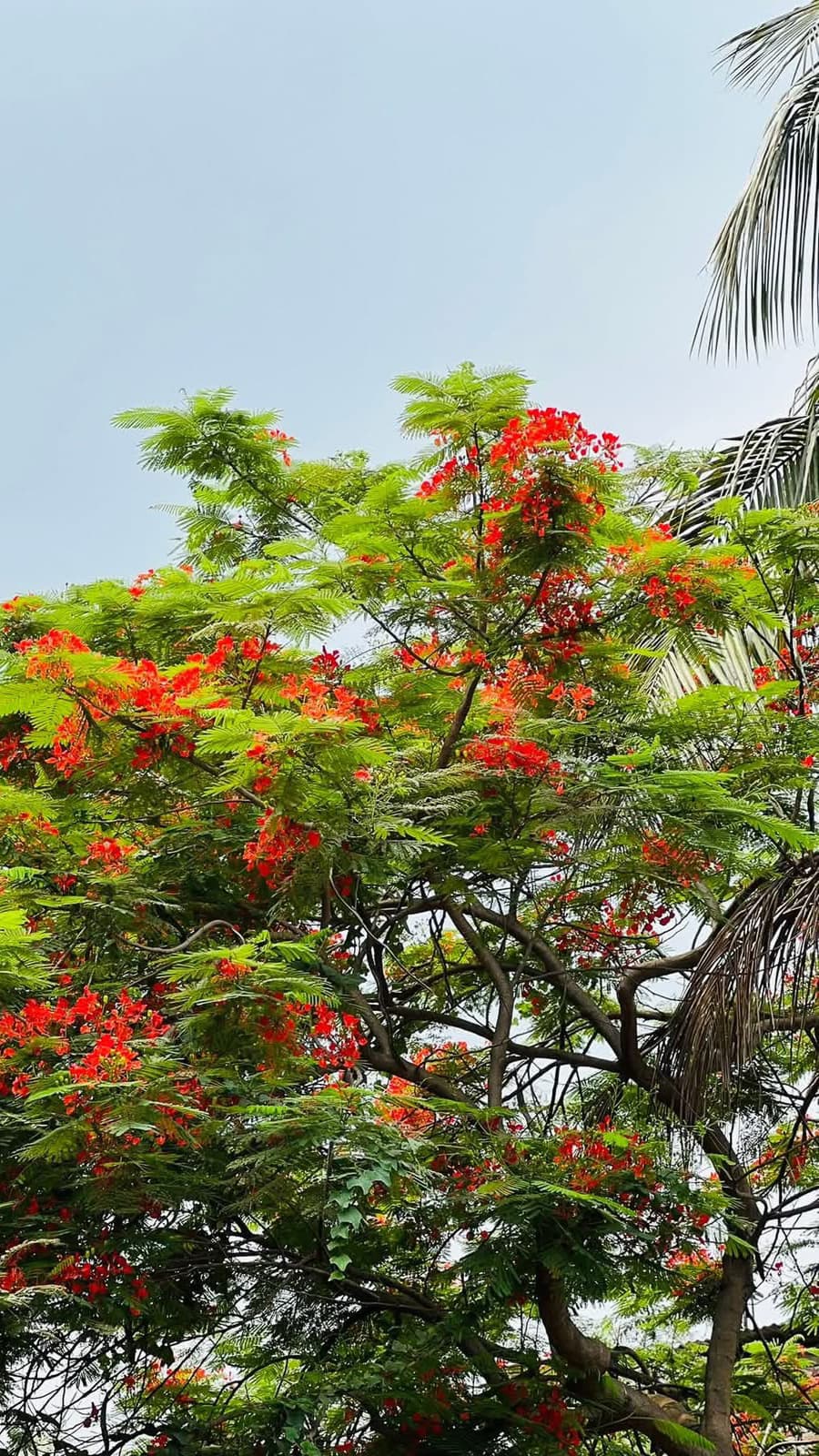
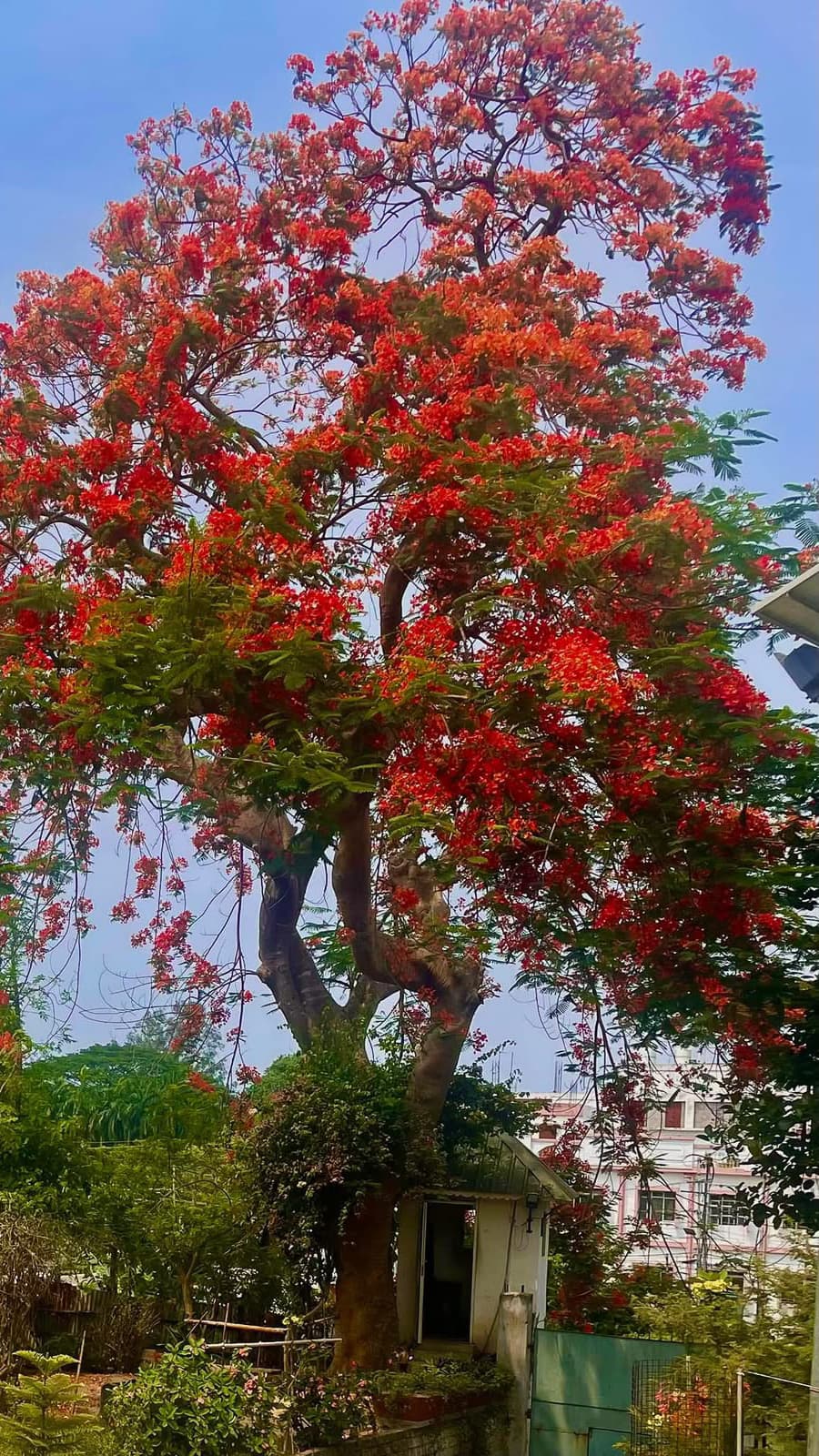
Looking back, what stands out to me isn't just that the trees were cut down. It's that no one kept track of what got lost with them. No one wrote down that flamebacks nested in the dead betel-nut tree, or that green pigeons visited when the fruits ripened. There was no list and no protest. The birds left, and the town didn't notice because no one was paying attention.
This is the quiet point I want to make. In Agartala, and probably in your town too, the rarest species isn't a bird. It's the birdwatcher. And when a bird has no one watching, it has no one to protect it.
People, even those who love nature, think birding only happens in sanctuaries, reserves, or up in the hills. Those places are great, but they can distract us. The birds are already here: in your garden, your neighbor's mango tree, the bamboo at the end of the lane, or the wire above your scooter.
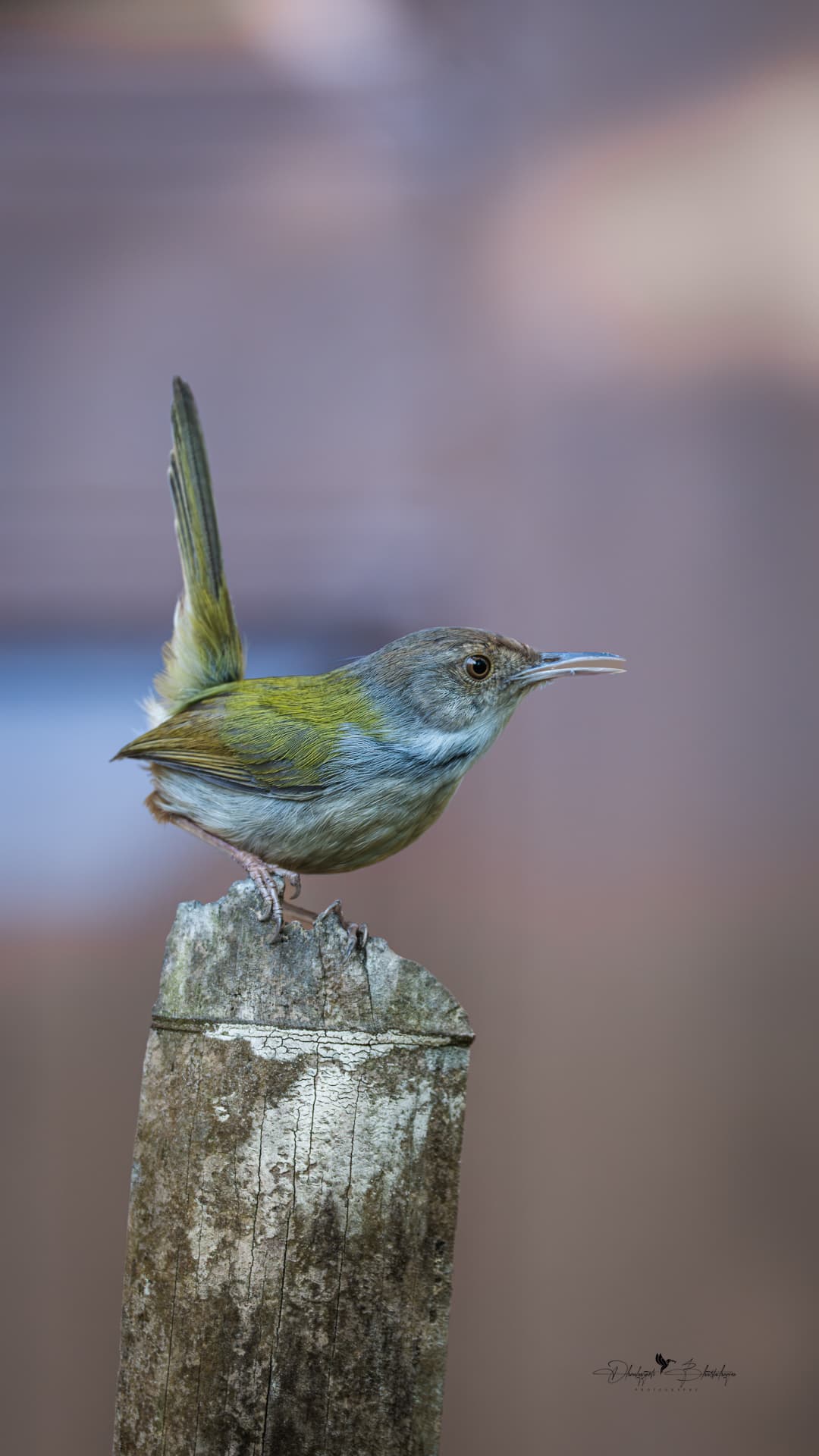
Step outside to your balcony, rooftop, or to the steps outside your door. Stand still for a few minutes. You might hear the towit-towit-towit of a common tailorbird scolding from a hibiscus, or perhaps another morning singer you remember from childhood. The birds are all around you; watching them and listening to their songs requires no permit, guide, or four-wheel drive. It requires only that you decide to pay attention.
The real challenge isn't access. It's building the habit of noticing, something most of us were never taught to do.
When no one notices a bird, it is left undefended. We often see birds as decoration, just pretty things that brighten our mornings. But they are part of our natural infrastructure.
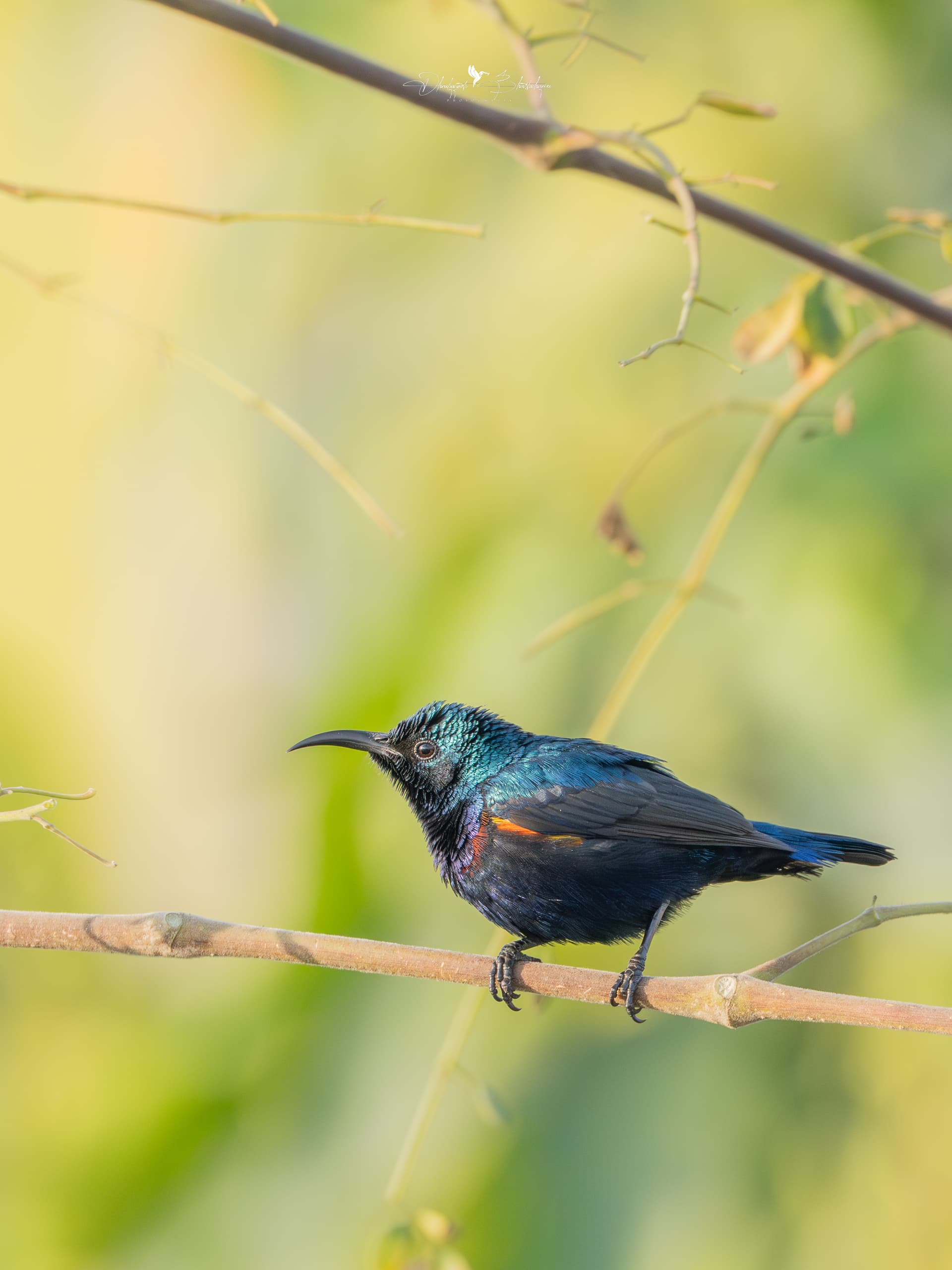
One tailorbird family can eat thousands of caterpillars in a season. Sunbirds and barbets pollinate wild figs and flowering trees. Pigeons and bulbuls help plant future forests by carrying seeds far away. Kingfishers and egrets keep our ponds healthy. Birds are also our best indicators. When sparrows disappeared from Indian cities over the last twenty years, it wasn't just sad; it was a sign that something was wrong with our air, water, pesticides, and the places where birds nest.
A town with healthy birds is a town still healthy for its people.
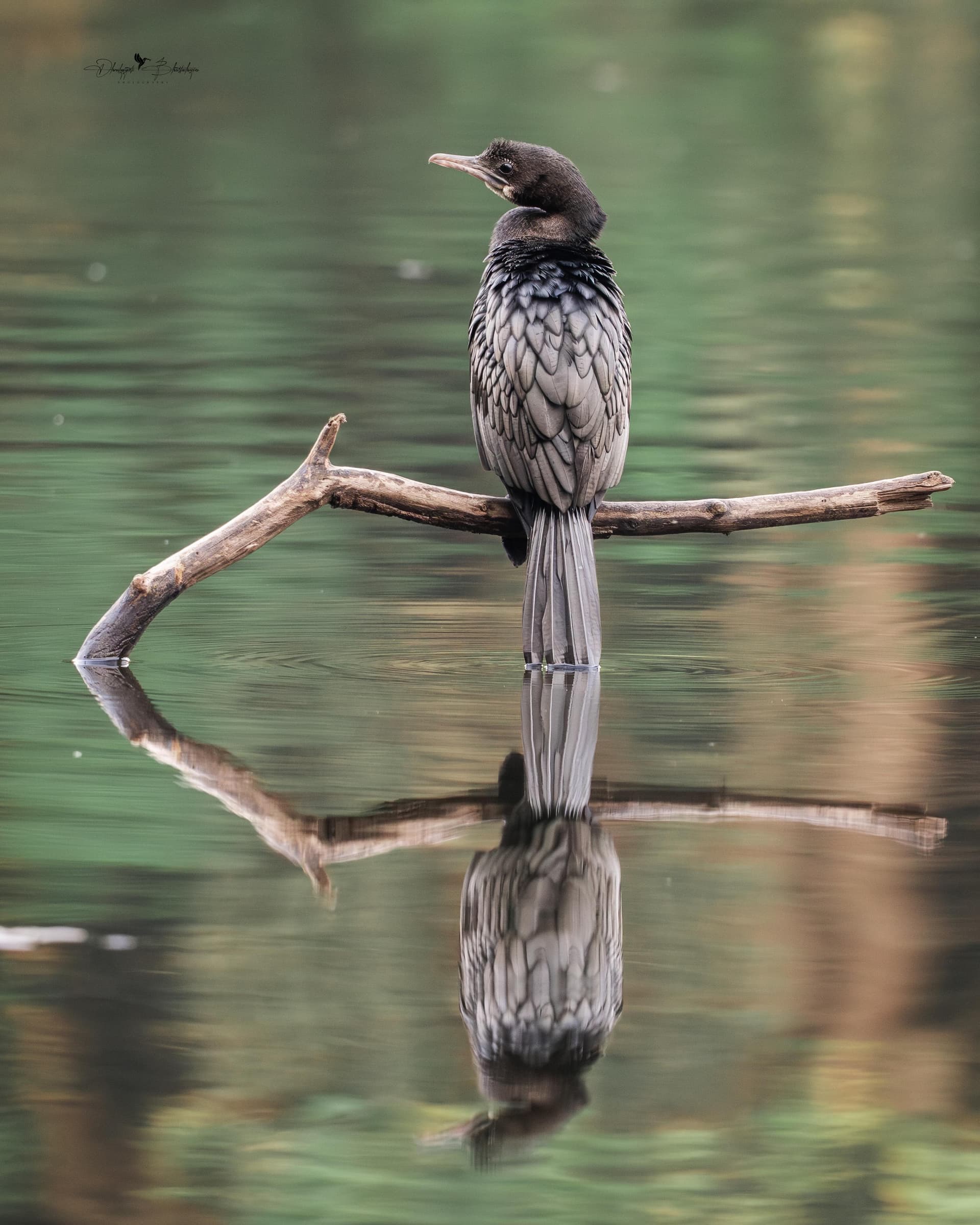
But an instrument is useless if no one checks it. I've seen this happen on my own street many times: a pond is marked for filling, a row of old trees is slated for cutting, or a garden with mango and bamboo is sold for a new building. No one stands up to say, "This is where the cormorant nests," or "This is where the kingfisher fishes." No one says it because no one knows. There's no record, no count, no way to name what's lost.
The pond is filled overnight, a "Plot for Sale" board goes up, and an entire small ecosystem dies without an obituary.
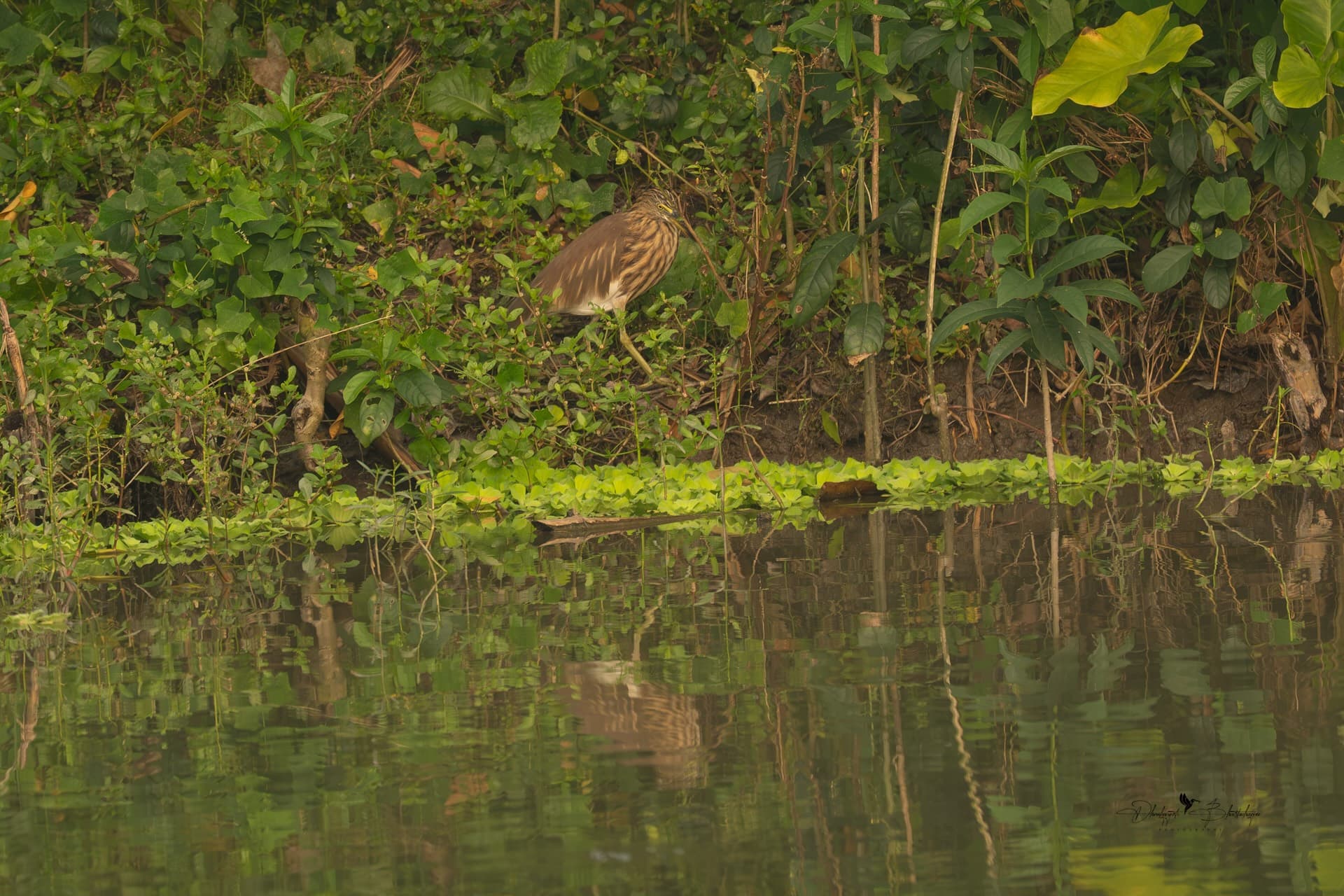
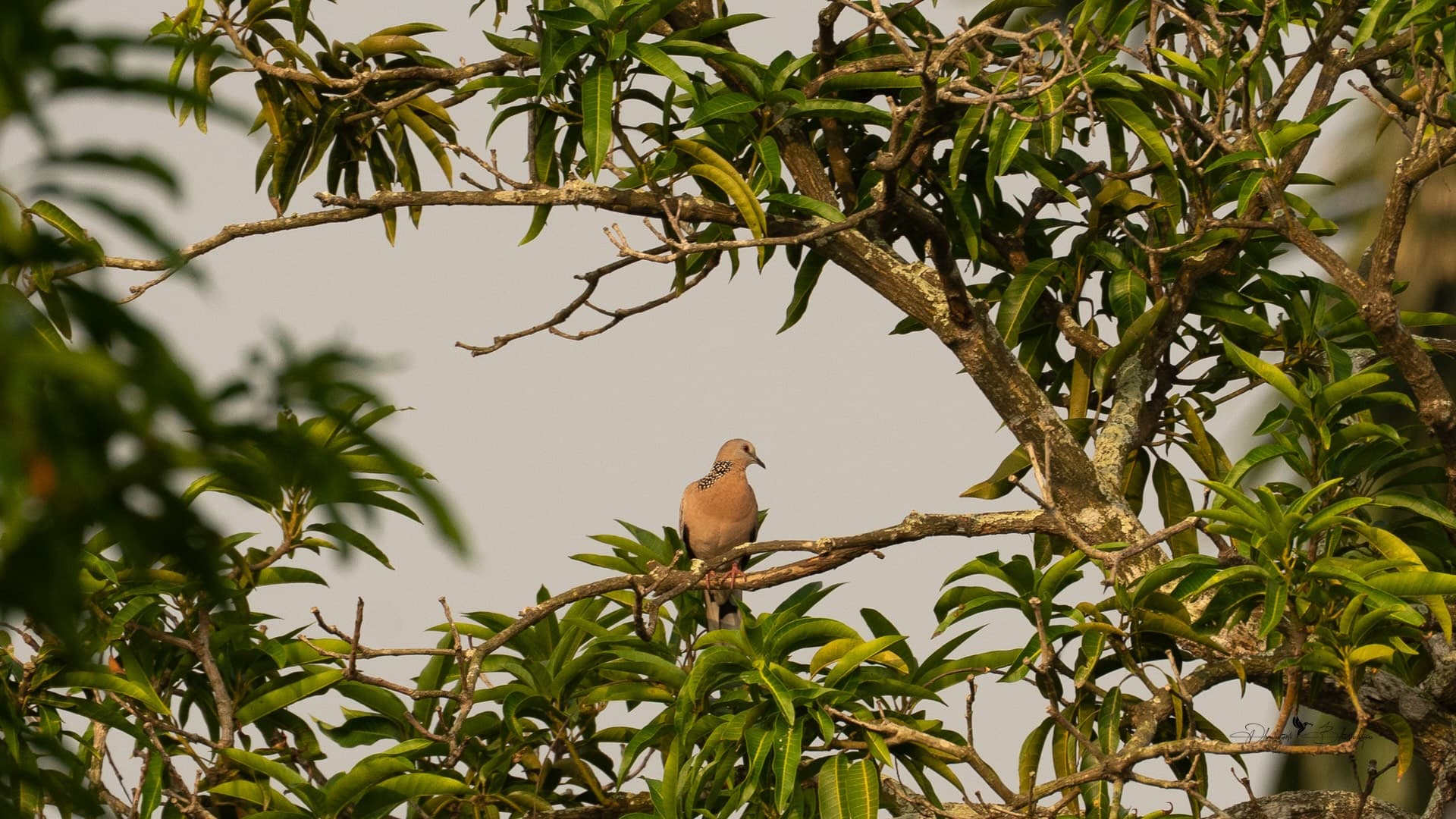
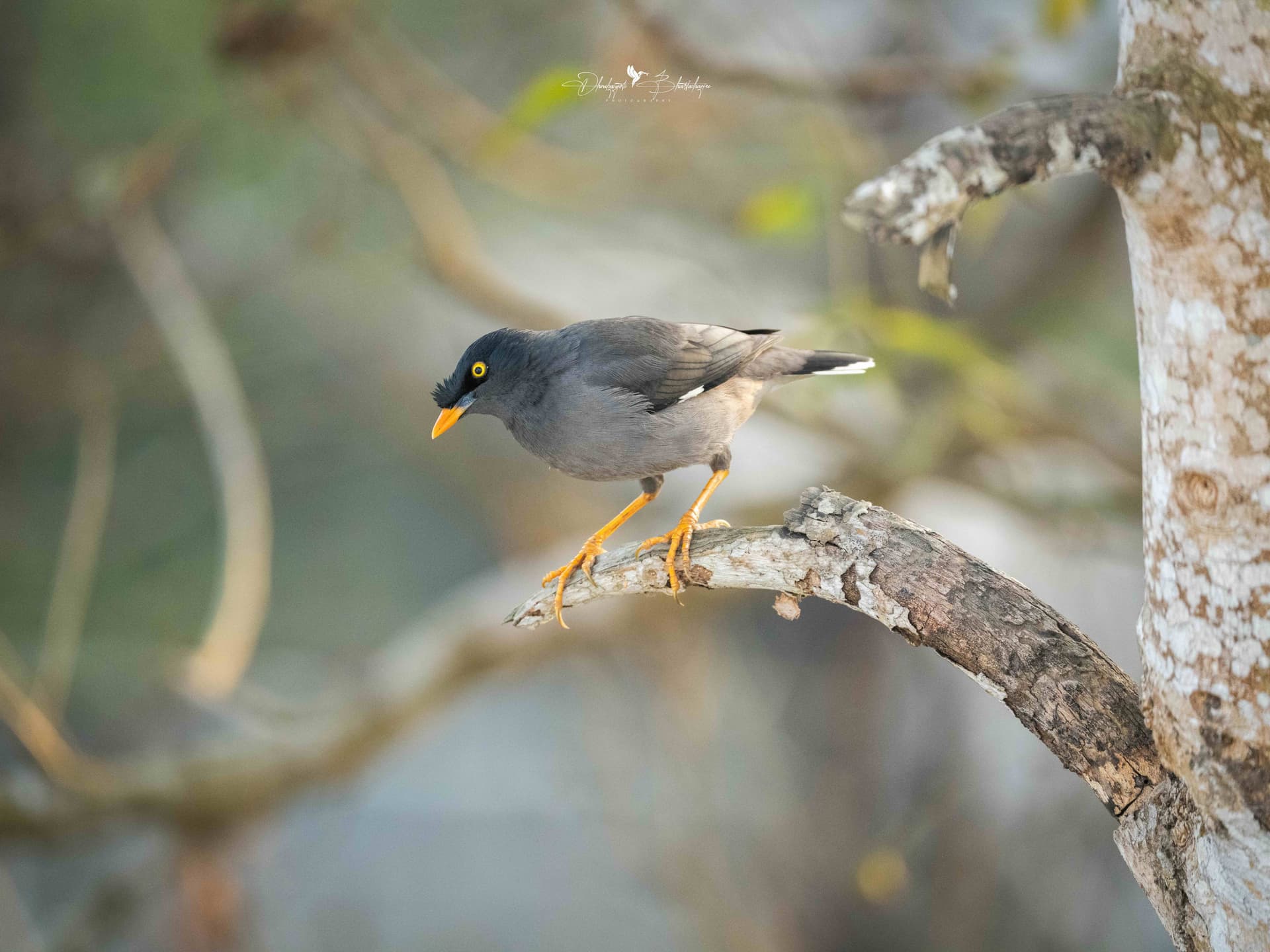
This is the main point. We sometimes tell ourselves that birds who lose their homes will just move to the forest. Most won't; they aren't forest birds. Sparrows, tailorbirds, spotted doves, and pied mynas evolved with our gardens and village ponds. When we remove those places, we don't move the birds somewhere else. We erase them. And we do it without protest, because the people who might have spoken up were never there.
The simplest conservation is often the most powerful: noticing and speaking up for what's around you. The good news is that starting a birding culture is surprisingly easy and cheap. You don't need a department, a budget, or a permit. All it takes is a few people willing to walk together early on a Sunday morning, a WhatsApp group, one pair of binoculars to share, and a practice of teaching anyone who joins. Almost every birding group in India started this way, with just a few determined people and a list. Maybe you could start the first group in your area.
The list is what matters. If you record what you see on a platform like eBird, your morning hobby becomes a data point, and thousands of data points become the record we need. That record can help stop ponds from disappearing quietly. Connect with others through groups like Ataavi. When a pond is about to be filled, the difference between protest and silence is whether someone can prove the cormorants were there.
And bring the children along. There's a generation growing up now that has never seen a woodpecker, never sat quietly under a tree, and never experienced the birds calling at daybreak. For these children, even the sparrow is becoming just a story their parents tell. A child who never notices birds won't grow up to vote for, plan, or build a city that protects them.
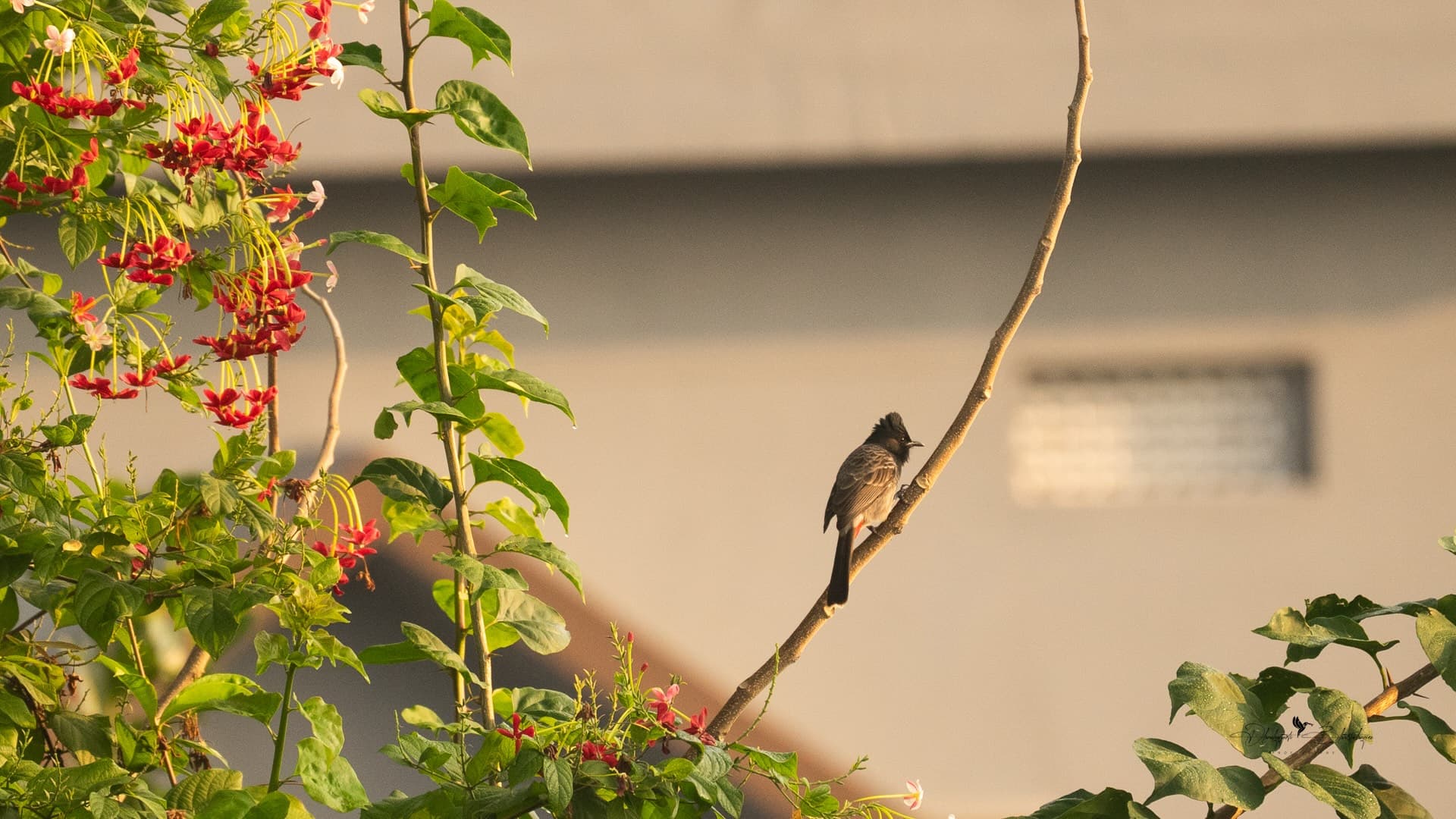
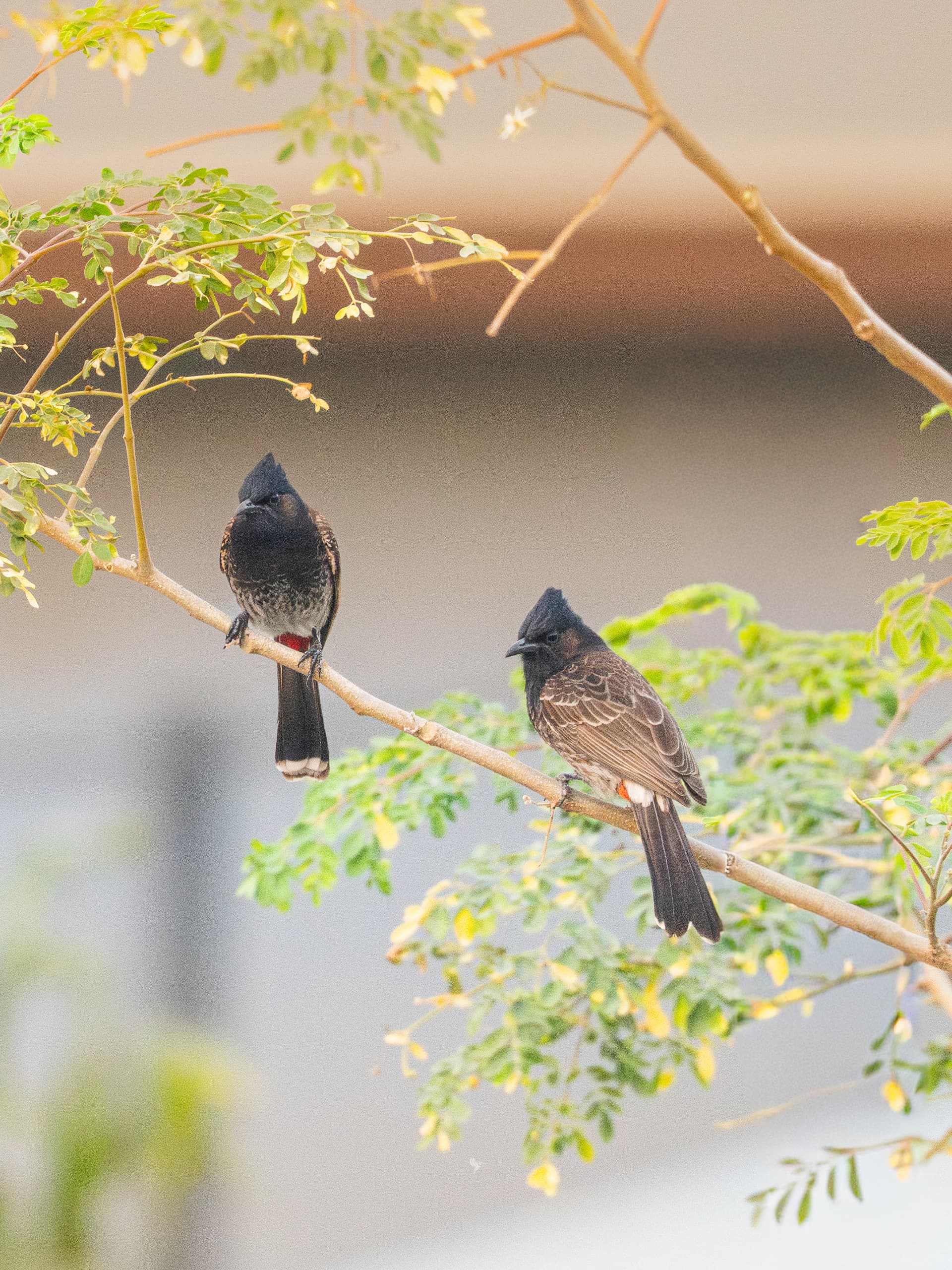
So take them outside, not to a contractor's park, just outside. Point and name the bird, even clumsily; "the one with the red under its tail, that's a bulbul" is enough. Curiosity is contagious. A child with a bird notebook is a future watcher, and a future watcher is a future defender.
Agartala is not a city that has lost its birds. It is a city in the slow process of losing them, one felled tree and one filled pond at a time. A new apartment block in the wetlands is slowly making it difficult for the birds, and we are silently losing them, which is the worst way to lose anything, because it leaves no proof that it was ever there. The same is almost certainly true of wherever you are reading this.
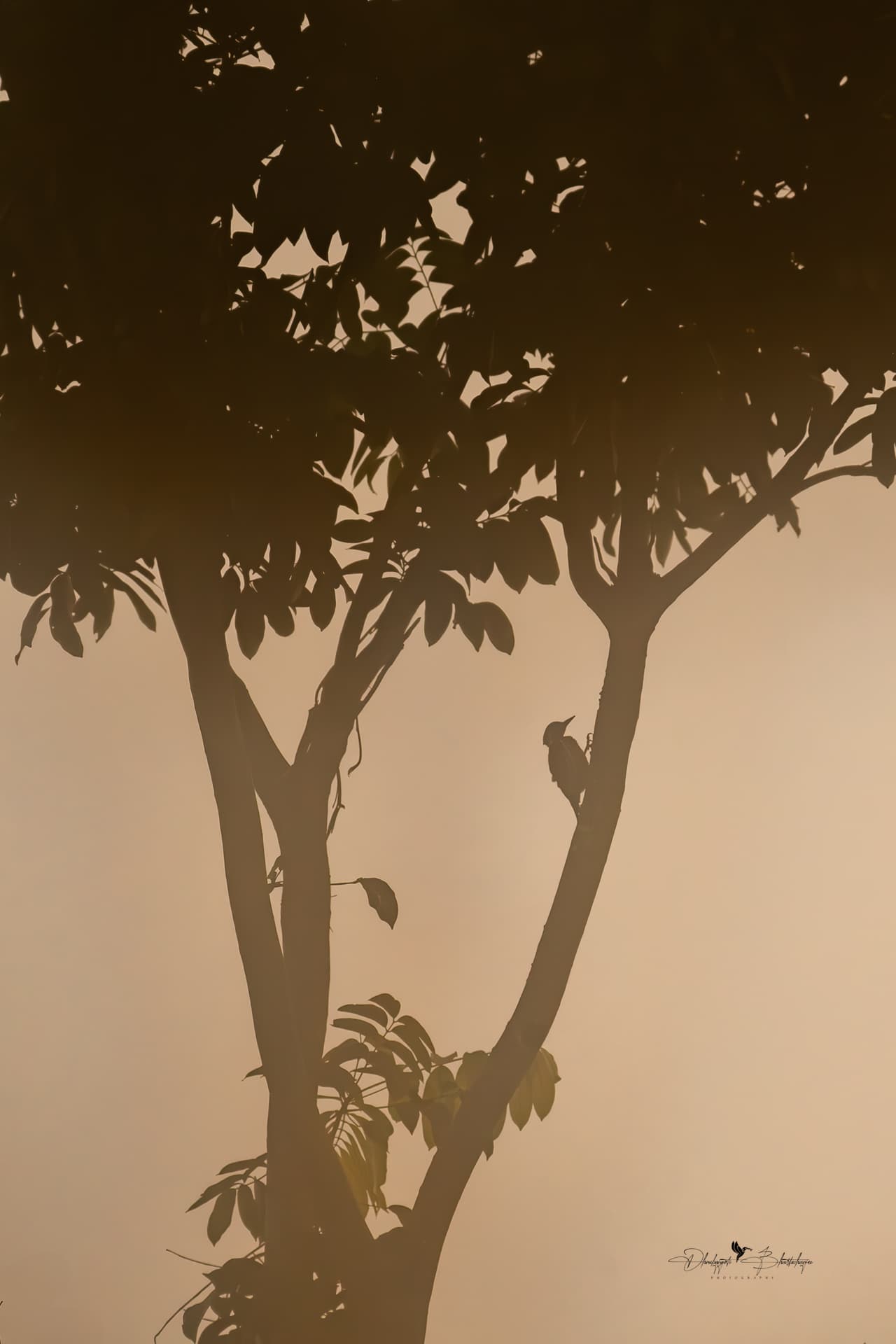
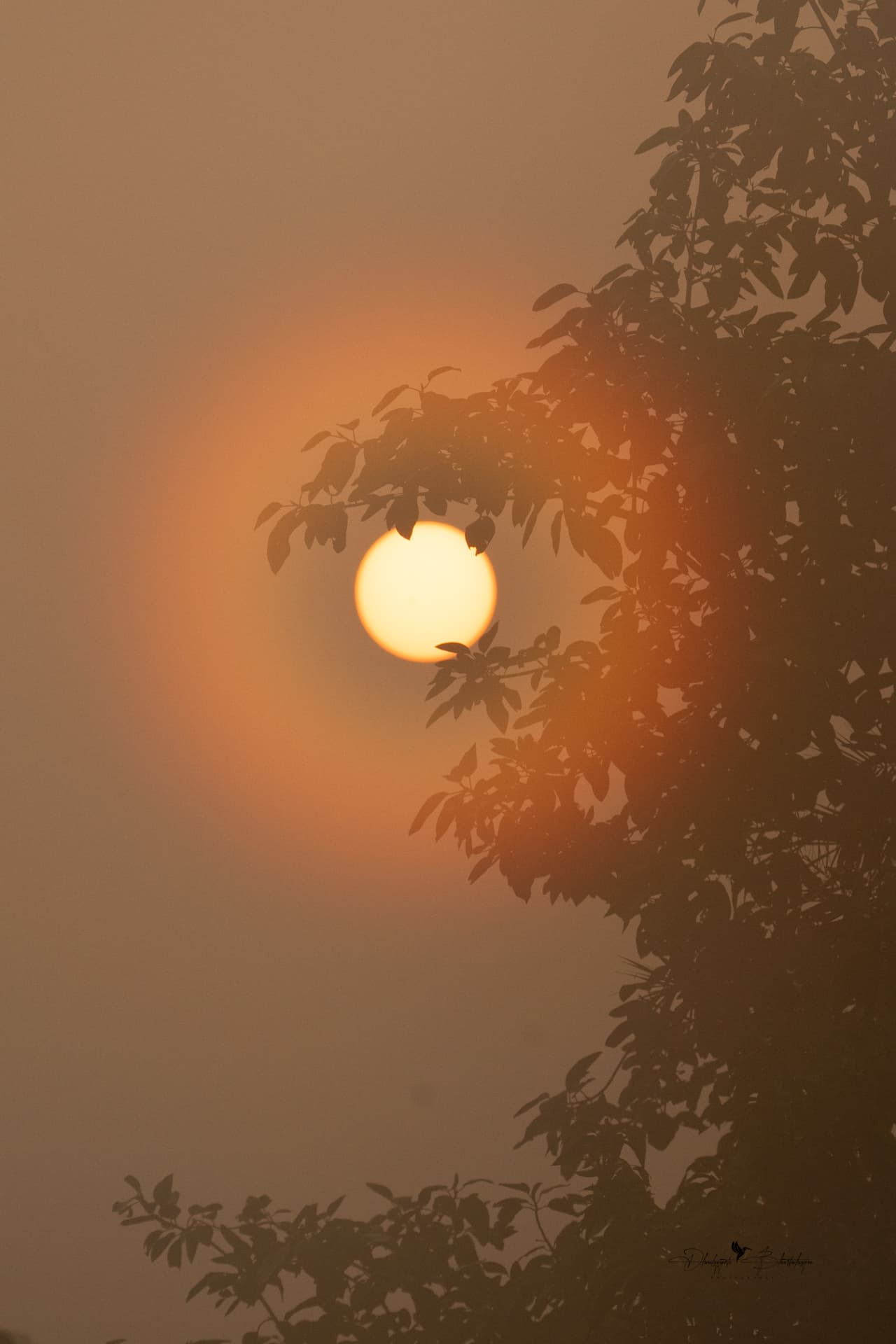
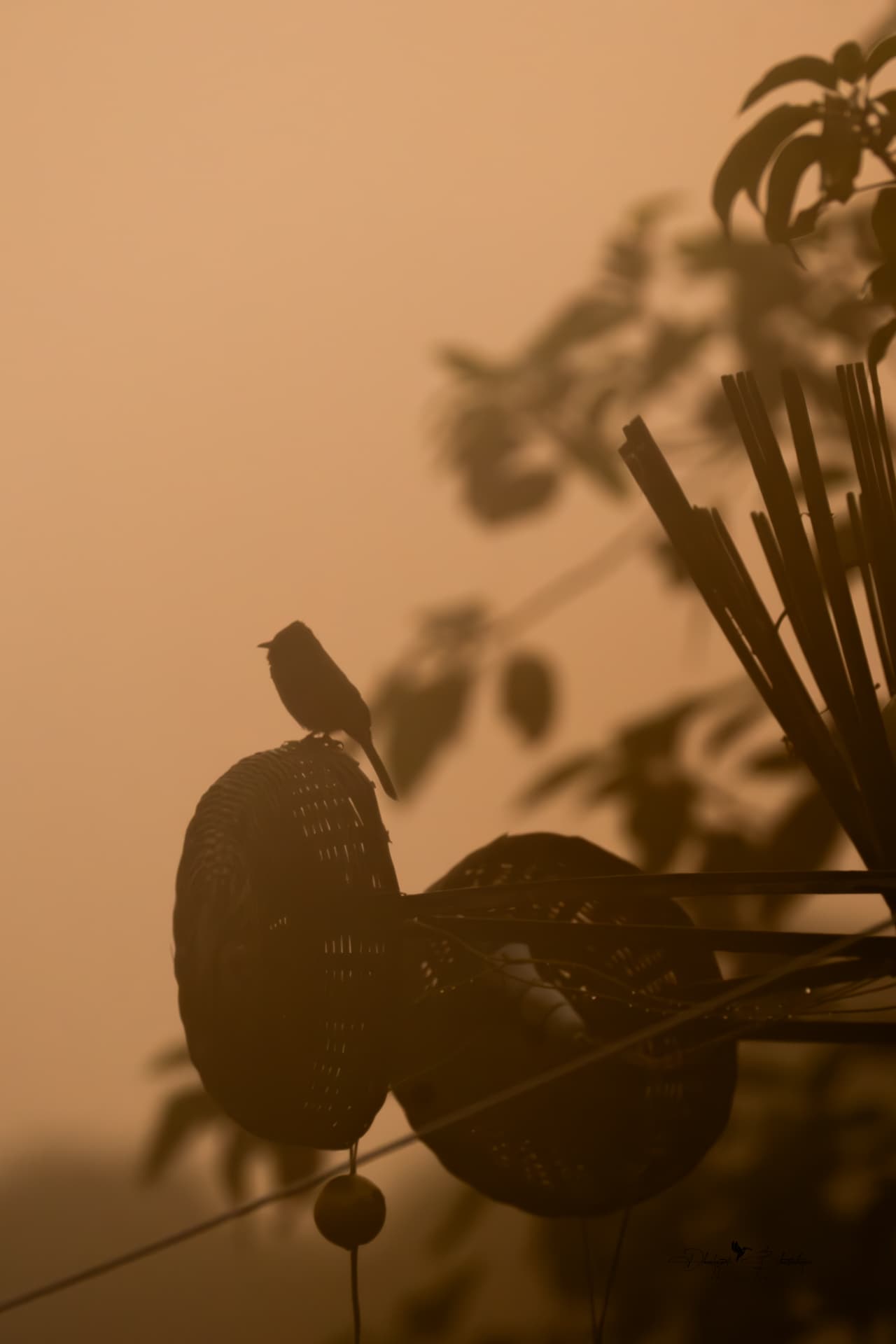
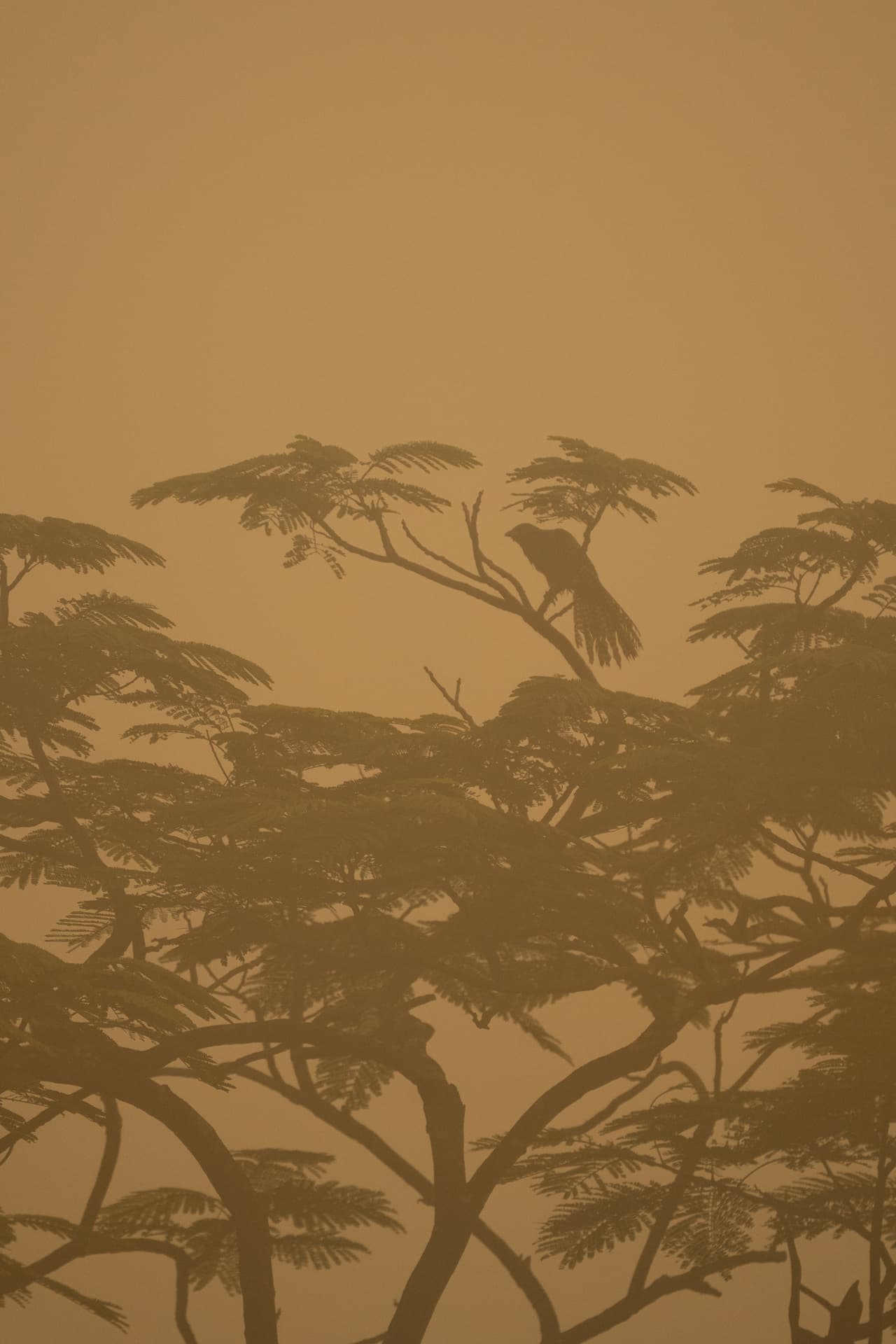
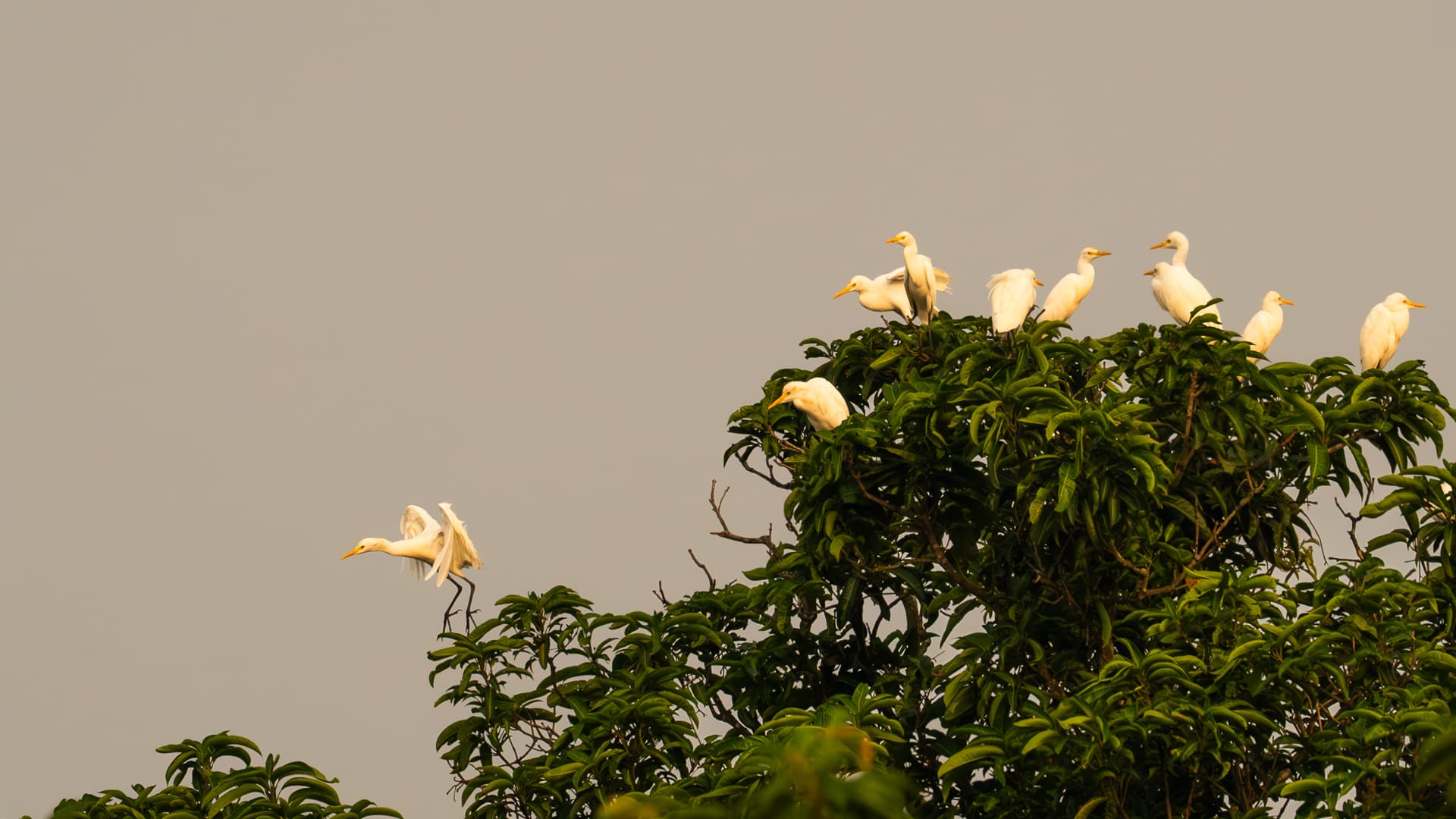
Tomorrow morning, before the town starts up, open your window. Maybe you're in an apartment block, a school field, a village pond, or a city park anywhere in the world. Listen for the chirps. Look for the sparrow you have stopped noticing. Watch an egret stand at the corner pond while the pond is still there. You don't have to travel anywhere to begin, and you don't have to know all the names. You only must become the rarest bird in your town, the one that is watching.
Whether the rest of them stay is, mostly, up to us.
There are many birds you can meet without leaving your city
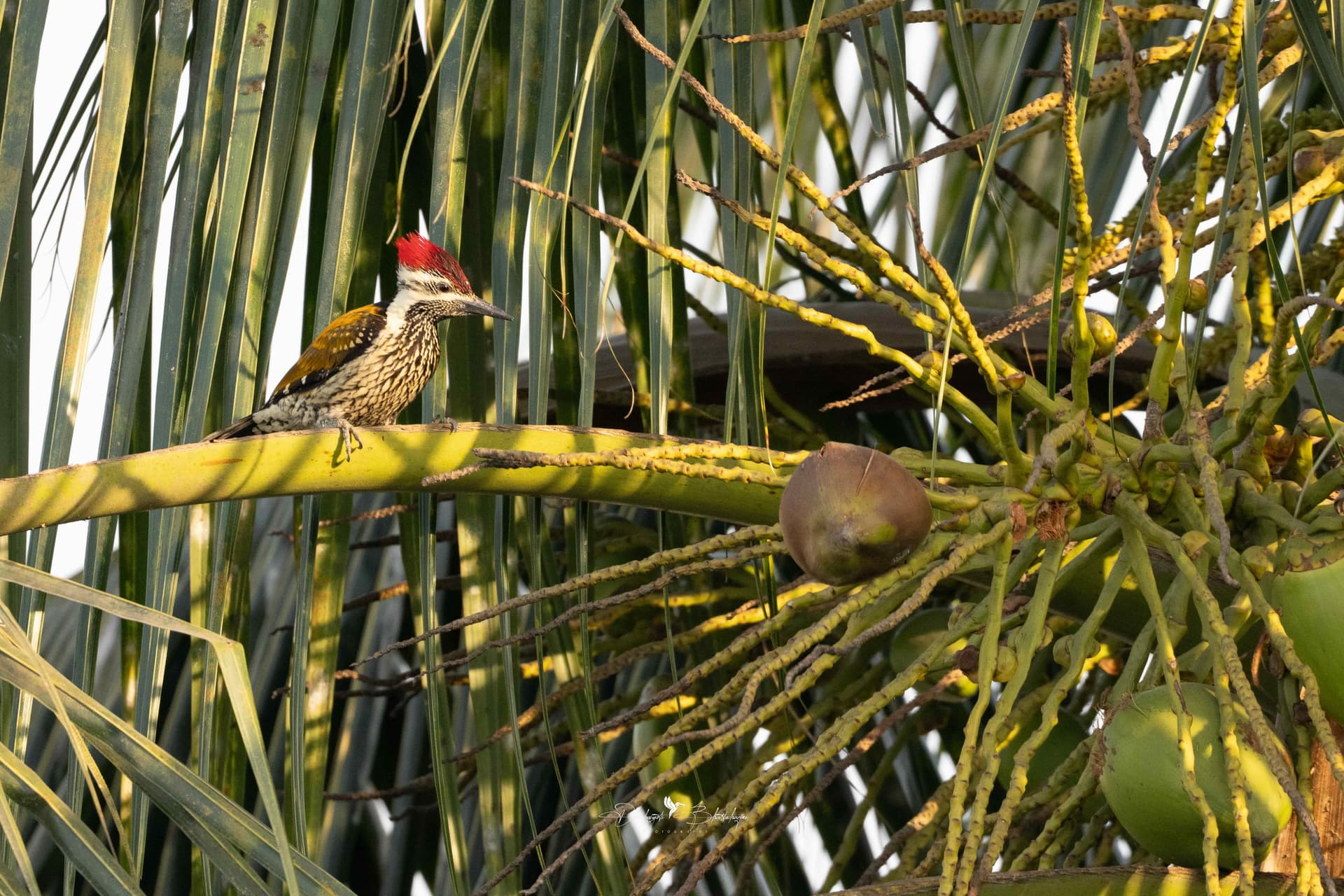
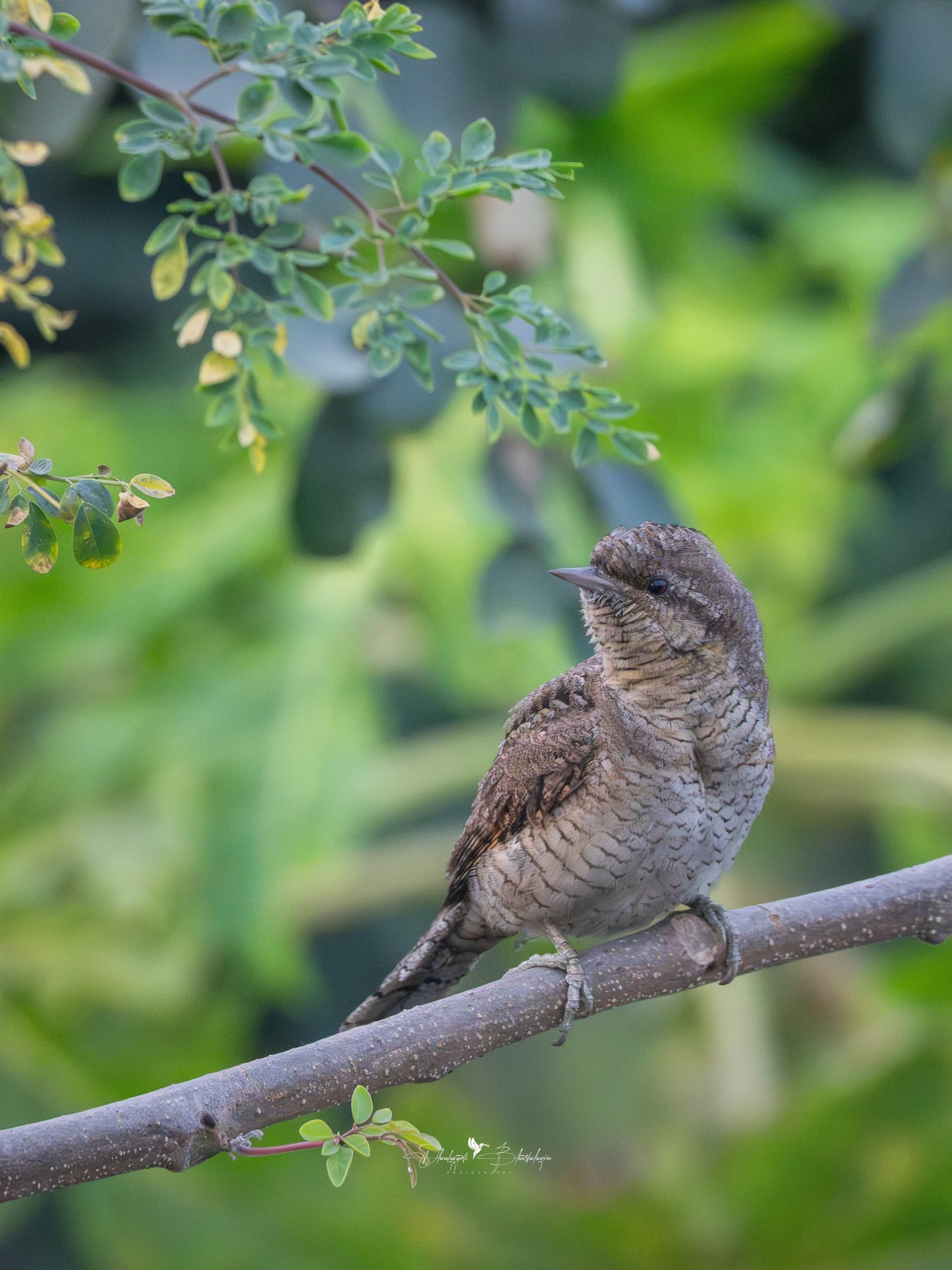
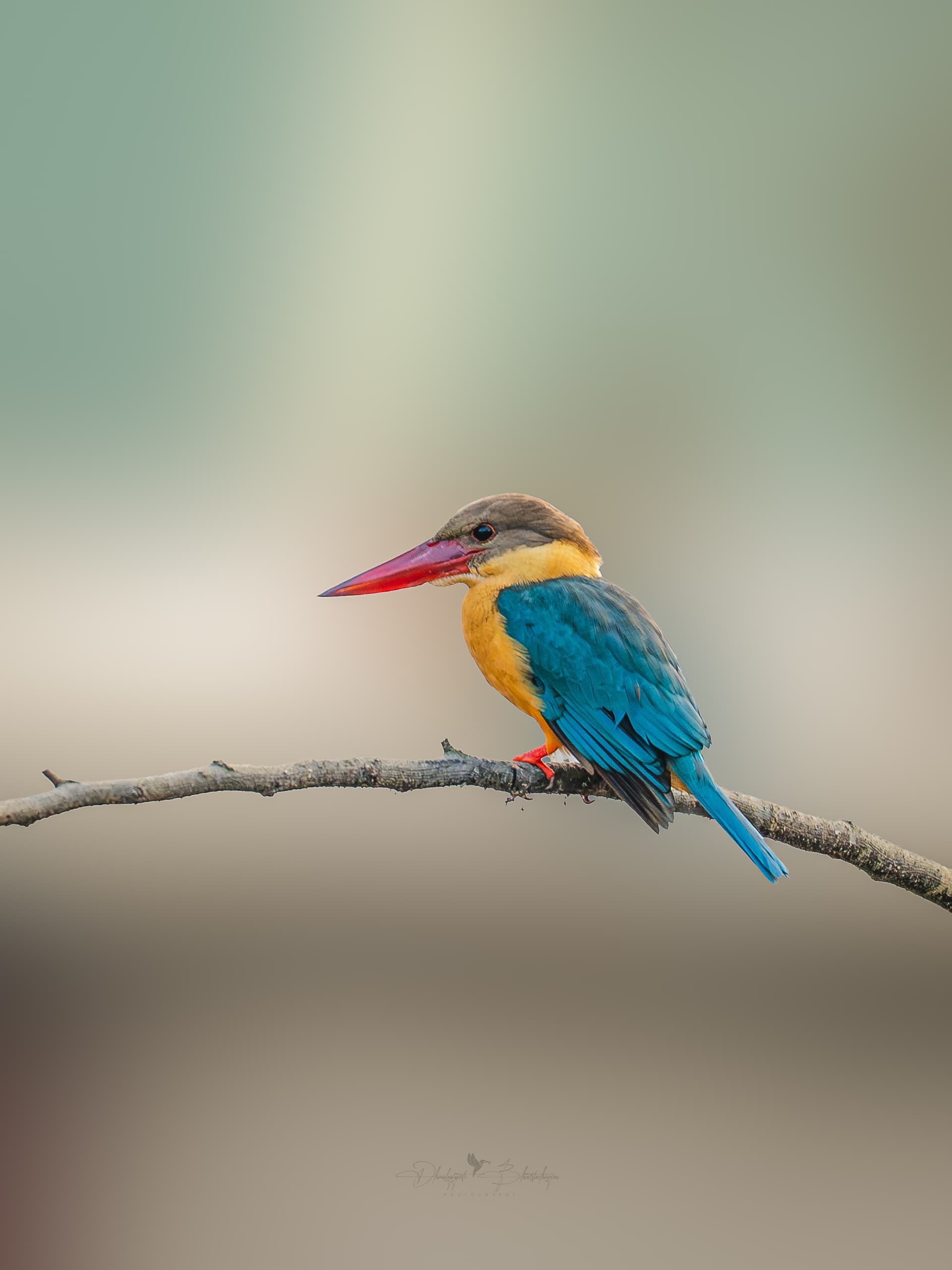
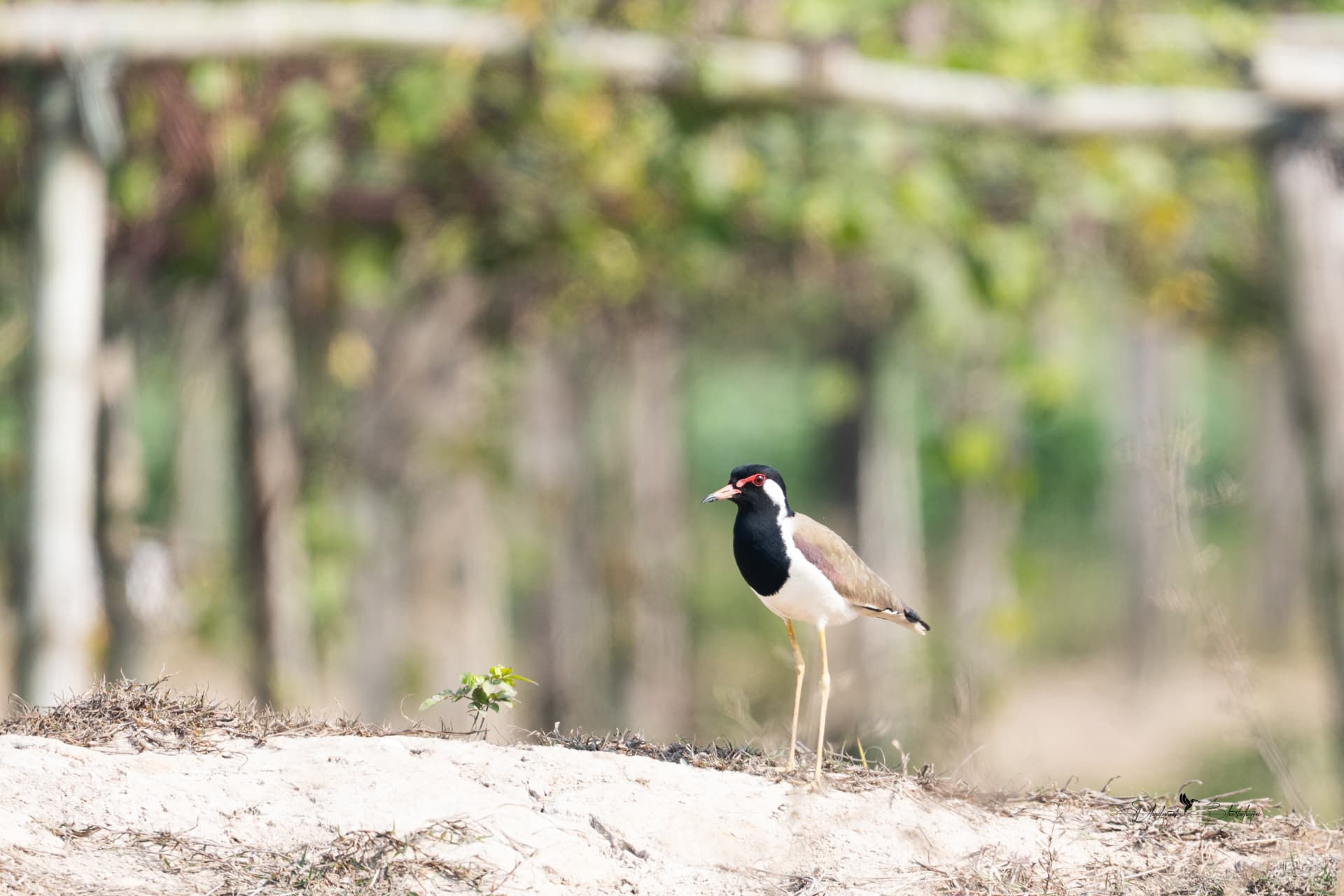
I am sharing a few species from my town. Every species below was photographed by me within or around Agartala, from a balcony, a rickshaw, a school field, or a walk to the market. If you're reading this elsewhere, look for birds in your own spaces: balconies, parks, ponds, or street corners. You can discover your own list and use tools like eBird, Merlin Bird ID, and iNaturalist, or connect with local birding groups to help you identify and record what you see.
The garden regulars
The drummers and the diggers
The water watchers
The ground walkers
The skulkers and the sentinels
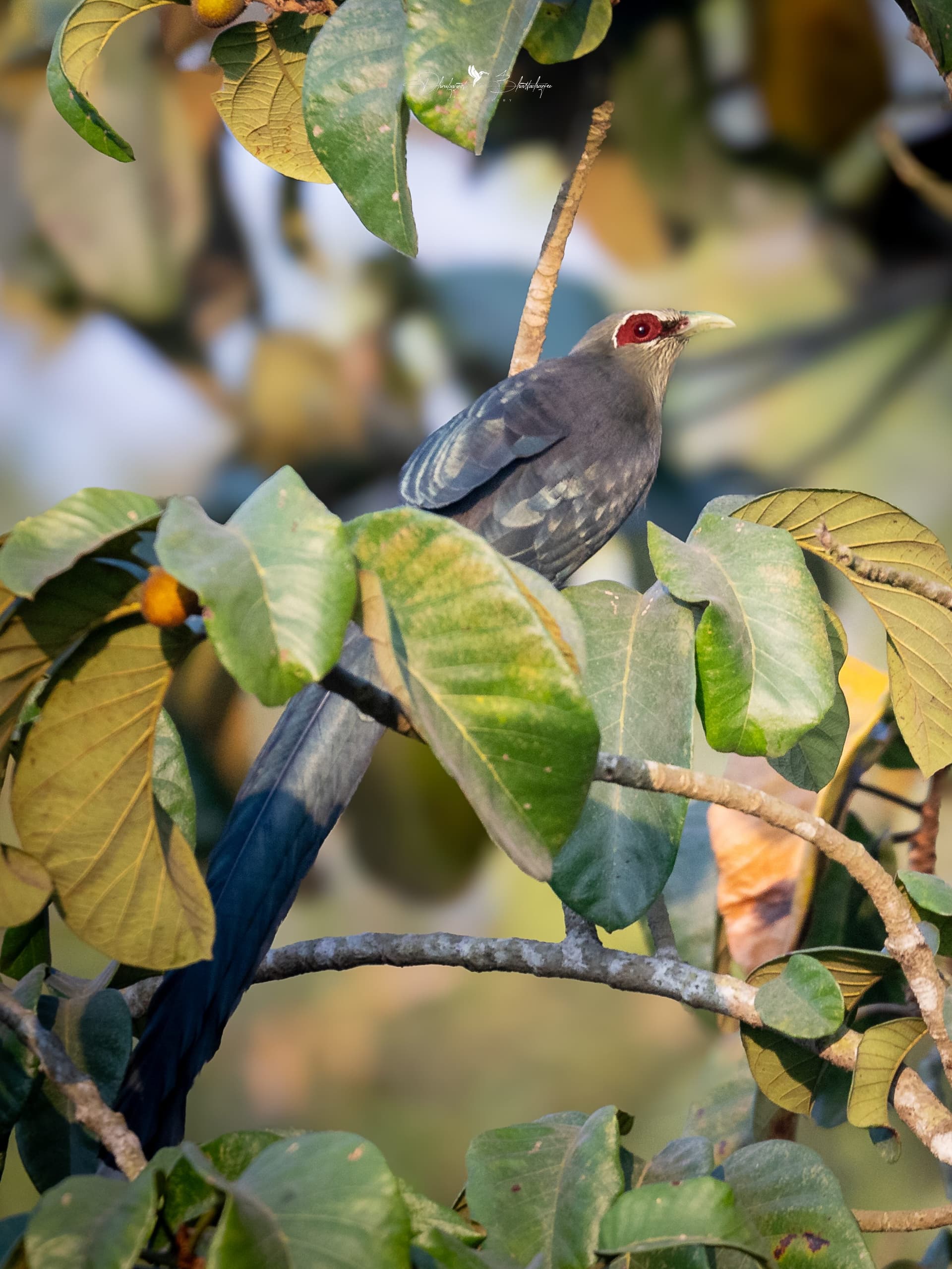
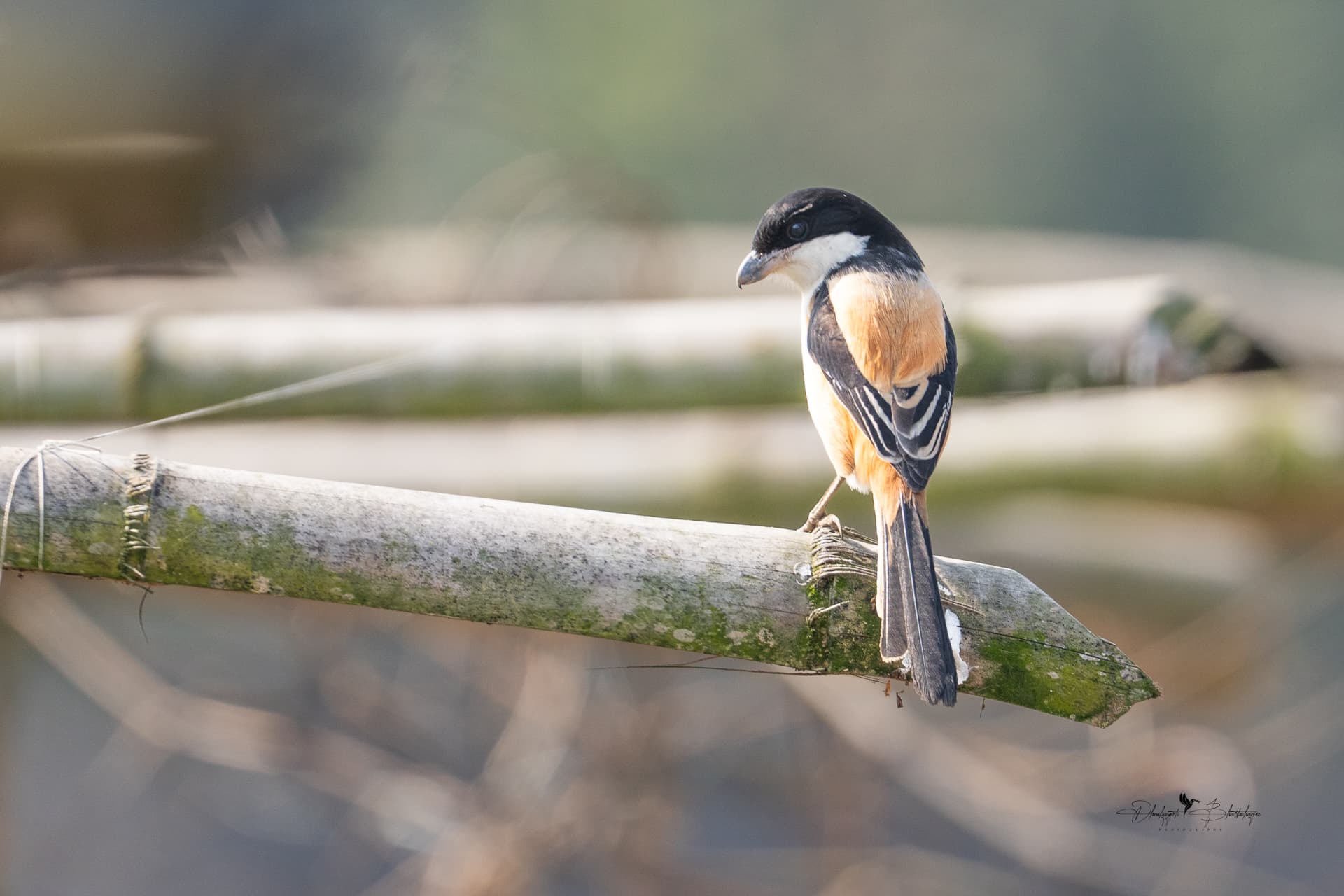
The seed carriers
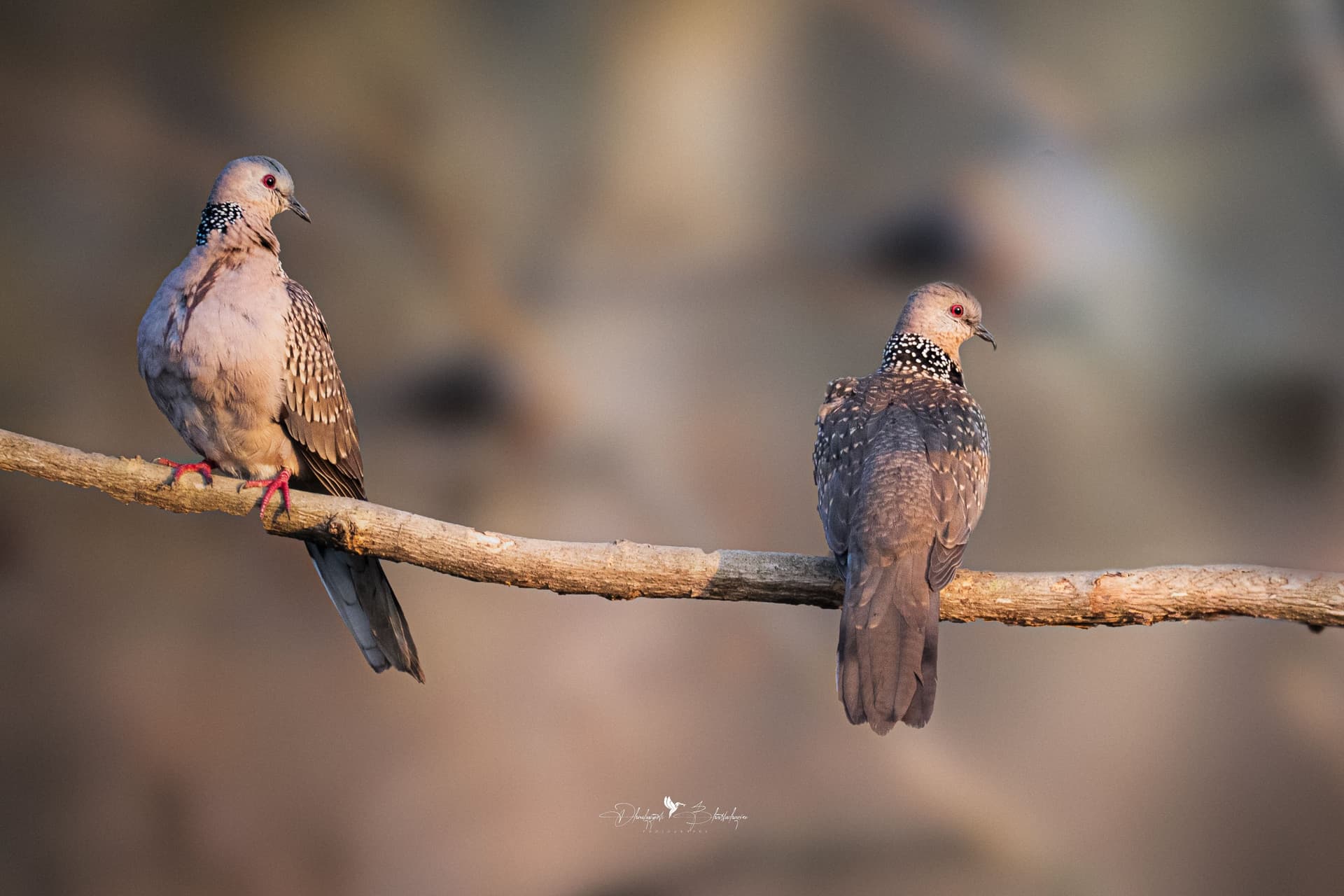
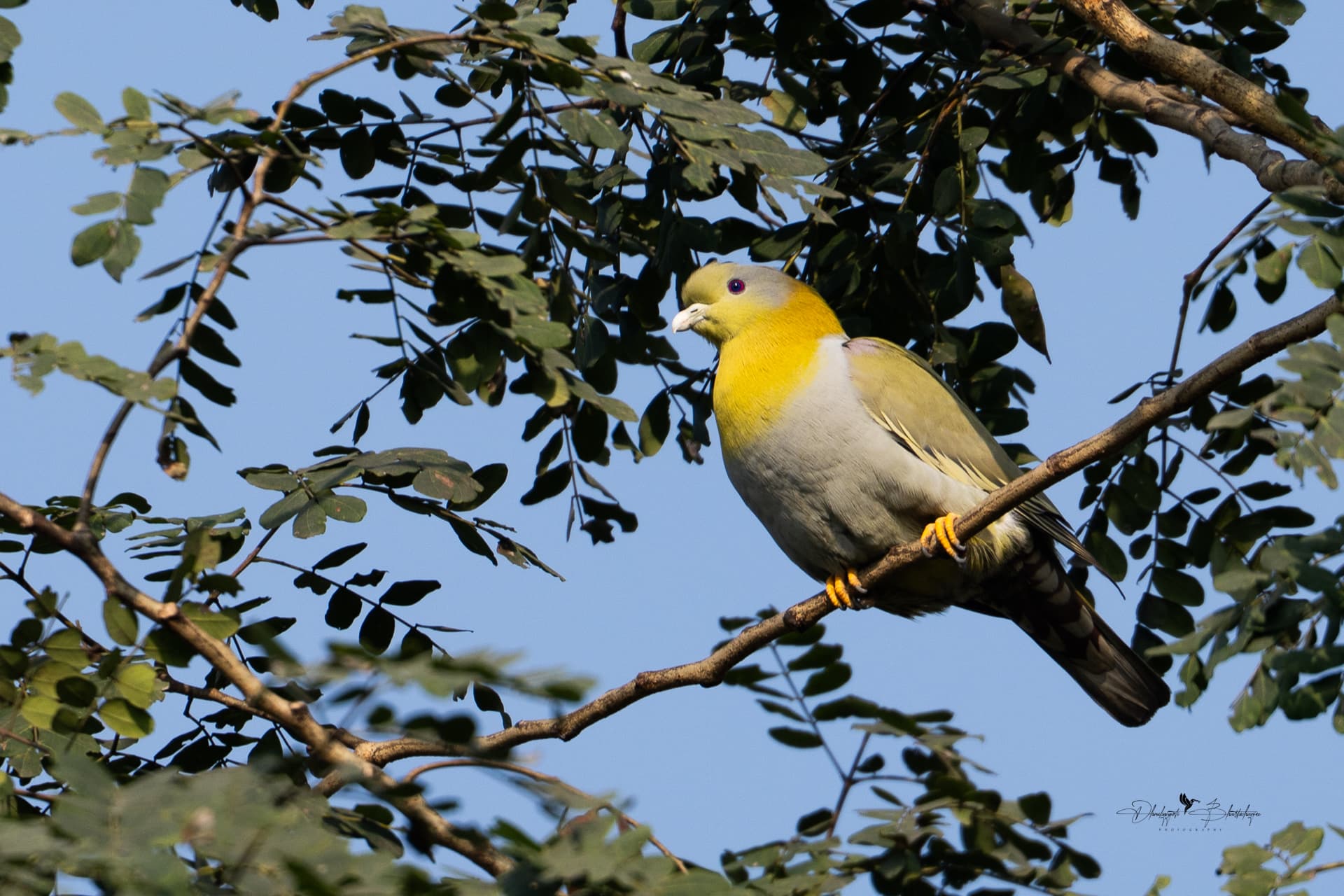
If you photograph birds in and around your town, share them. Tag the location. Build a record. The first step in protecting something is to prove beyond a doubt that it was here.
Written by
Photographer
Dhrubajyoti BhattacharjeeDhrubajyoti Bhattacharjee is a photographer from Northeast India, now based in the Netherlands. His work grew from borrowed cameras and early curiosity into a long-term practice focused on birds, wildlife, and nature. Across Dutch wetlands, Indian forests, and African grasslands, he combines careful technique with storytelling, treating each photograph as a record of life, movement, drama, and emotion.
Read full profile →Related stories
- People
 Serengeti National Park, TanzaniaNew
Holding the Door Open
From Ireland to Tanzania, from Hugo van Lawick's Serengeti camp to Queens and the ASC, Sophie Darlington reflects on access, mentorship, representation, and the responsibility to bring others in.

Sophie Darlington
Jul 23, 20265 min
- Untold Interviews
 Costa Rica
Discover, Learn and Protect with Jeremiah Winden, Macro Photographer and Explorer
Into caves and forest floors with a photographer who finds the largest stories in the smallest subjects.

Magni Macro
Dec 14, 20255 min
- People
 Nairobi, Kenya
Through My Lens: Reclaiming the Wild Stories of My Homeland
A Kenyan photographer turns the camera on her own country, reclaiming who gets to tell its wildlife stories.

Imara Njeri
Oct 17, 20255 min
- People
 Zuid-Kennemerland, Netherlands
The Untold Story Behind Untold Wildlife: A Journey of Healing
The personal story behind Untold Wildlife, from struggle and reinvention to a collective shaped by the stories of people, animals, and places.

Deniz Dalkilic
Jul 30, 20245 min
- People
 Greater Kruger, South Africa
The Art of Noticing: A Cornerstone of Wildlife Filmmaking
Before the footage comes the patience. On the discipline of attention that underpins every wildlife film.

Jura Bakx
Dec 26, 20244 min
- Birds
 Dutch countryside, Netherlands
Protecting Barn Owls: Community Involvement in the Netherlands
How a network of volunteers, farmers, and nest-box builders gave the barn owl a foothold again across the Dutch countryside.

Nicolas Clerc
Sep 16, 20244 min
- Birds
 Mabamba Swamp, Uganda
The Shoebill: A Journey to a Prehistoric Wonder of Nature
Statue-still in the swamp, the shoebill looks like a survivor from another age. Tracking down one of Africa's strangest birds.

Rocco Scanzuso
Feb 9, 20255 min
- Conservation
 Maasai Mara, Kenya
Learning to See Connection: What Long-Term Photography Reveals About Conservation
Returning to the same landscapes year after year, a photographer learns that the real story is rarely the dramatic moment — it is the slow relationship between land, wildlife, and the people who tend it.

Georgina Goodwin
Apr 15, 20264 min