
People · Nairobi, Kenya
Through My Lens: Reclaiming the Wild Stories of My Homeland
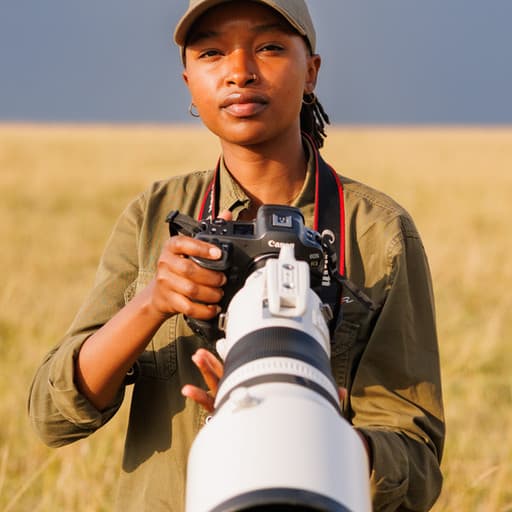
By Imara Njeri, Photographer · Oct 17, 2025 · 5 min read
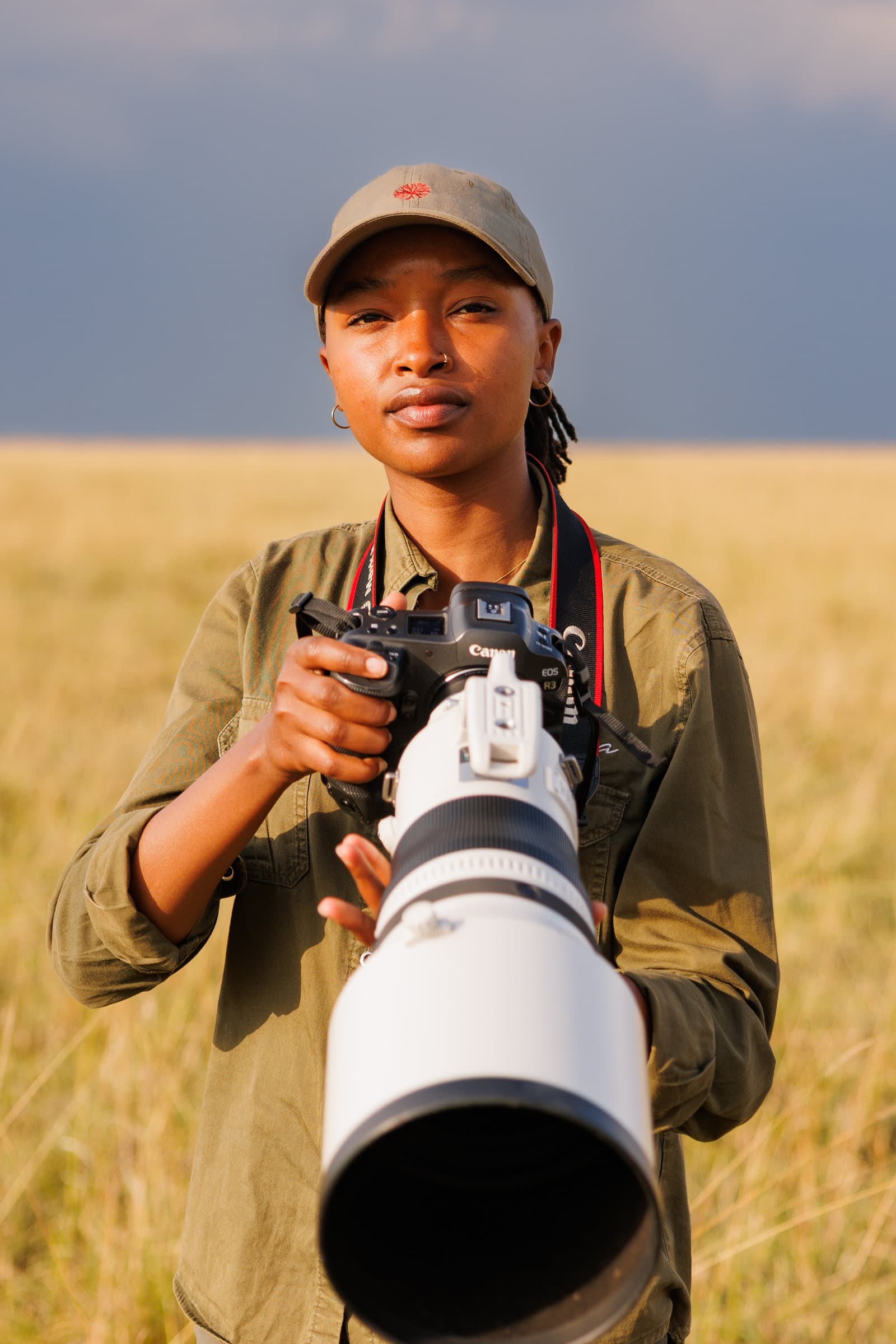
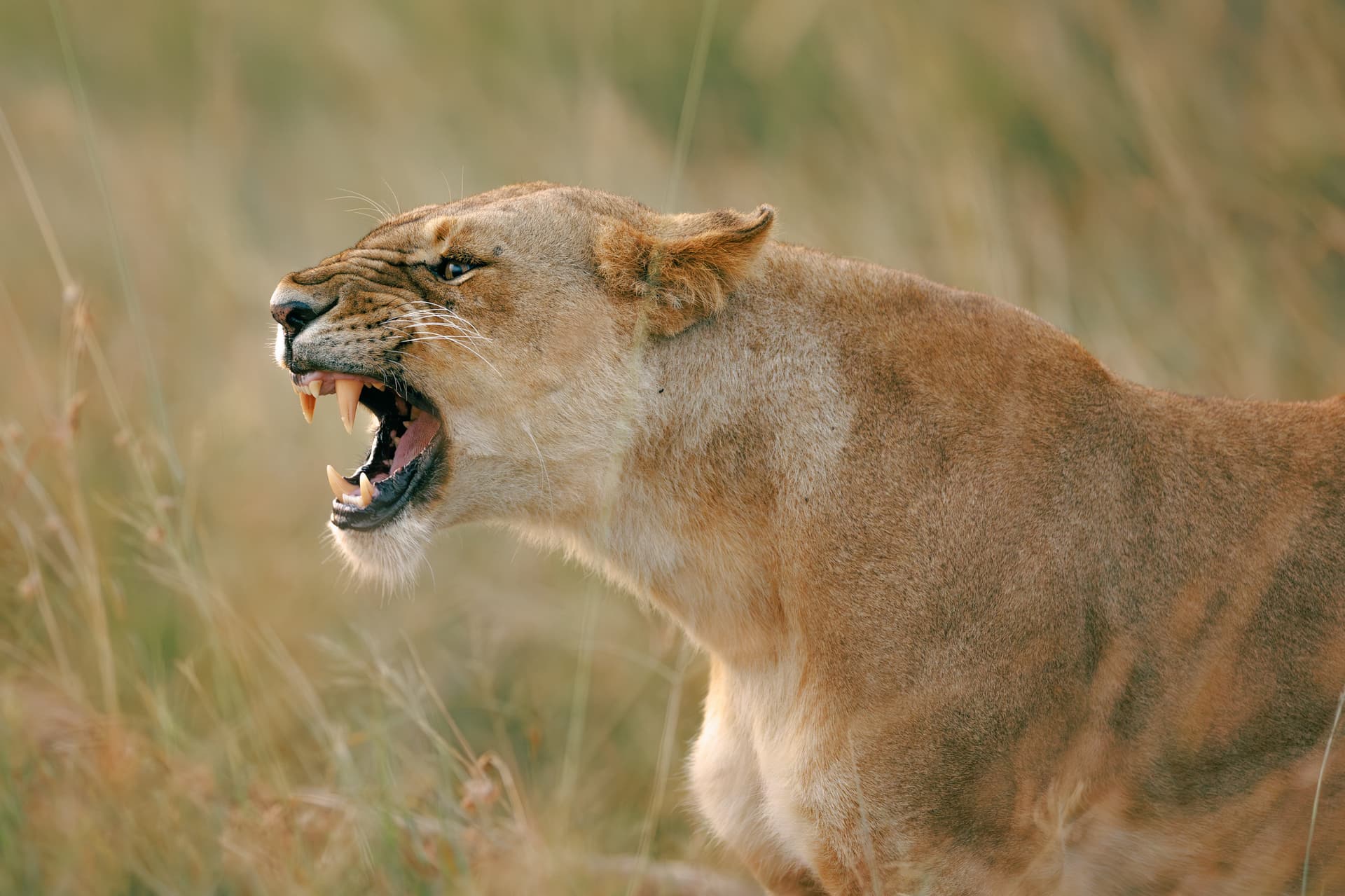
When I look through my camera lens at a lioness lounging in the golden savannah or a herd of elephants tracing ancient migratory paths, I don’t just see subjects to photograph. I see echoes of the lives my ancestors lived, the paths they walked, and the stories they passed down long before colonial maps drew borders or Western books claimed discovery. I am a Kenyan woman, a wildlife photographer born of the same soil that nourished the creatures I now document. These animals are not exotic to me. They are not "discoveries." They are home. Their names, the Simba (lion), the Ndovu (elephant), the Kifaru (rhinoceros) (these names are in Kiswahili, and in Kenya, we have 42 official tribes, each with its own mother tongue and unique names for wildlife), existed in our languages long before Latin classifications labeled them for Western encyclopaedias.
Between Cultures and Identities
Yet, for much of my life, I have carried the feeling of being both inside and outside this home I call Kenya. I was raised in a mixed household; my stepfather is Irish, my biological father is half Danish and half Kenyan, and my mother is fully Kenyan. I attended British schools, learned English with a near-native accent, and was often praised for how well I spoke, as though that was the measure of intelligence. In many ways, I was surrounded by Western culture in my own home country. Sometimes, because of that, I felt like a visitor in my own land, as if I were on the outside looking in.
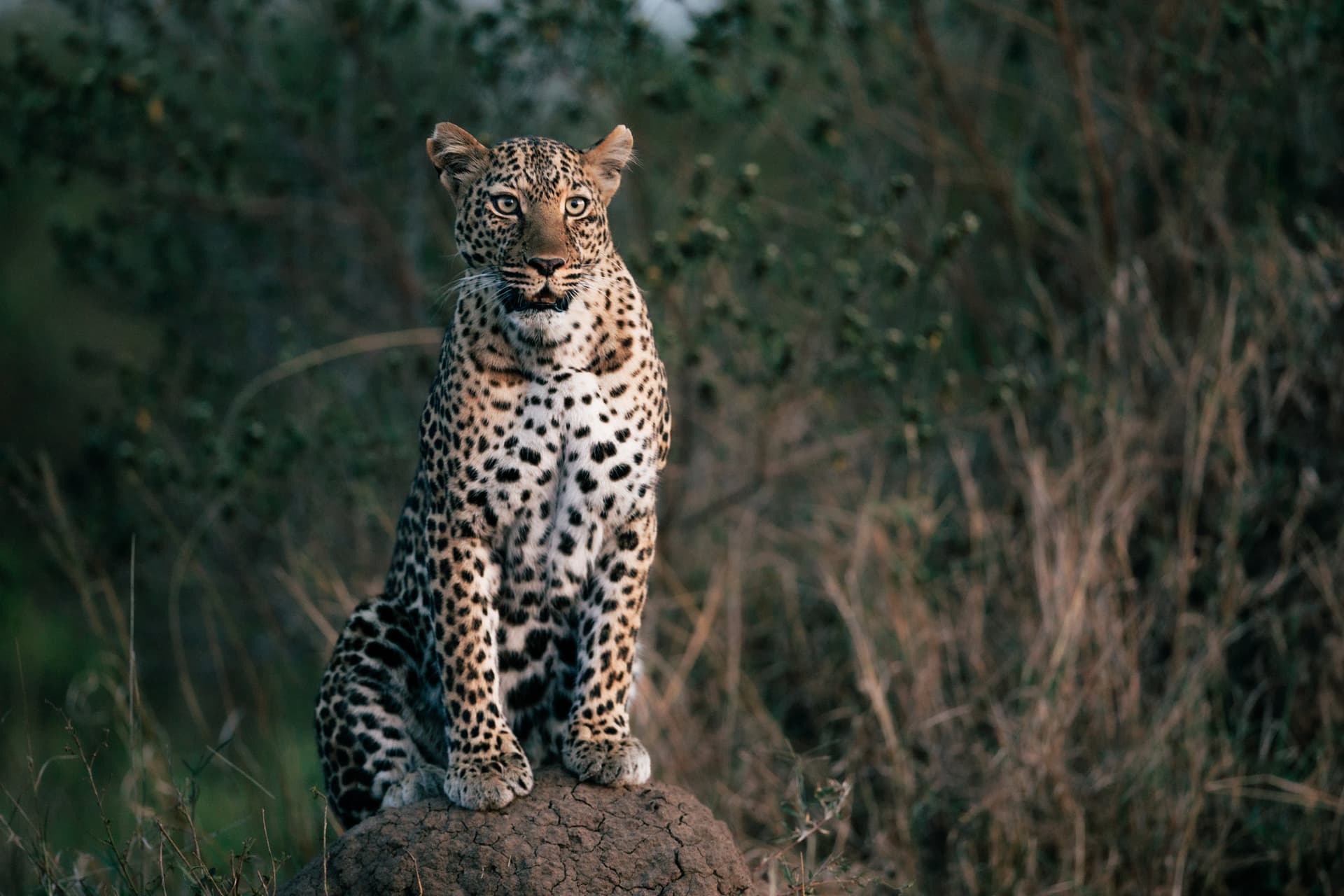
That feeling made me gravitate to the wild. In the savannah, with the elephants and the lions, I didn’t need to explain who I was. Learning the traditional names of animals and how they connect to spirituality, wisdom, and ancestral knowledge helped me find a deeper sense of home. I’m not just documenting wildlife. I am, in many ways, a student, learning about the land I come from and the animals that live in it, from the inside out.
Finding a Place Behind the Camera
I am often met with surprise when I say I am a wildlife photographer. The field has long been dominated and globally represented by Western voices. Their documentaries, their magazines, their names watermarking images of our animals on our land. But when did the camera become a symbol of authority, and why was it assumed we could not hold it? I’ve seen it firsthand, the safari trucks rolling in with long lenses and international visitors, while people who look like me are the ones driving them around.
I’ve been mistaken for a spotter or assumed to be part of the staff, even with my camera hanging around my neck. Sometimes it feels like calling the female pilot an air hostess or the female doctor a nurse. There is nothing wrong with those roles; they are essential. But why is it the default assumption for women?
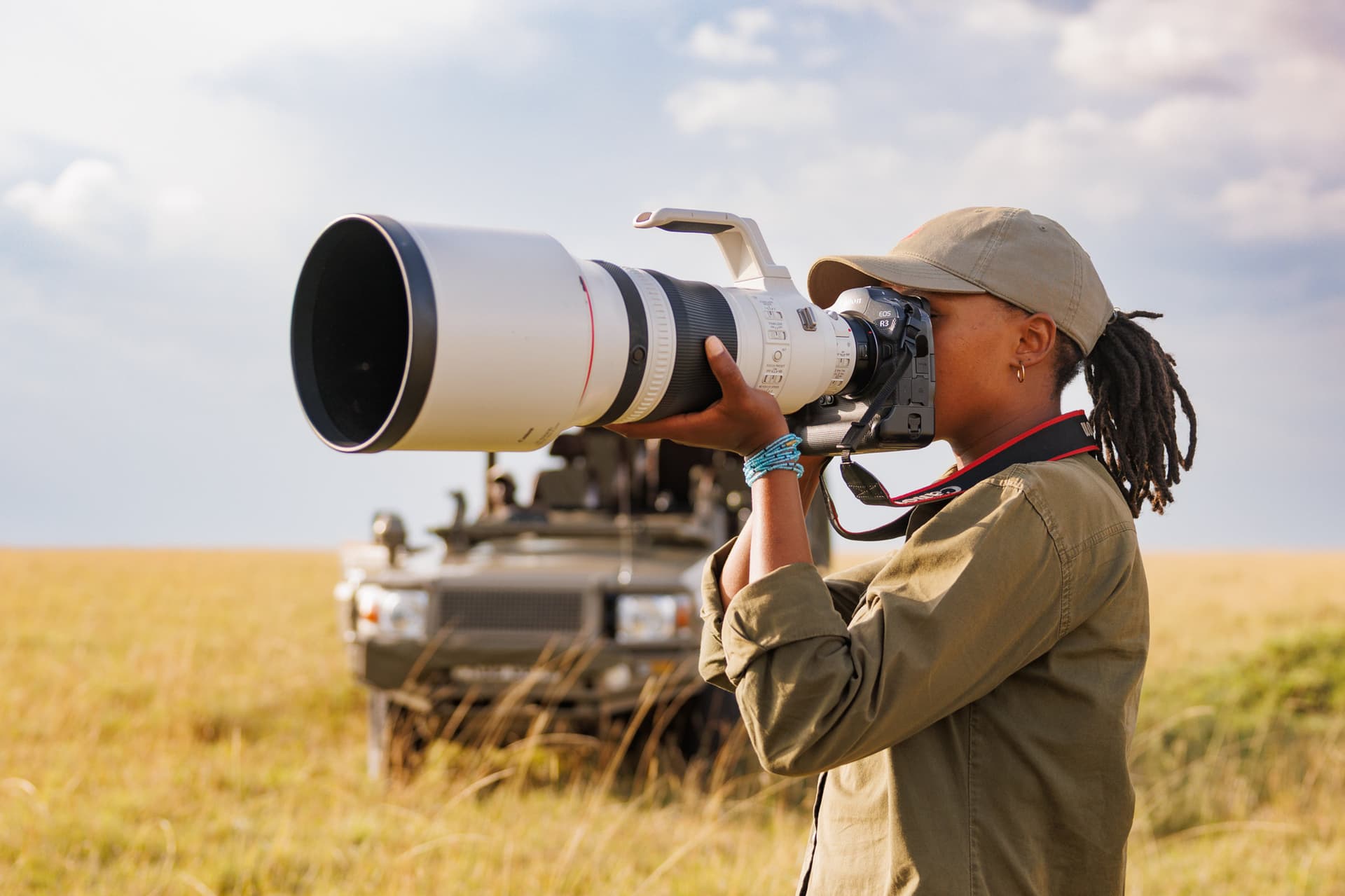
Even when I’m carrying my big 400mm prime lens, my absolute favorite, I’m often asked if I can even lift it. That’s always my favorite moment because not only can I lift it, I hold it steady for long stretches without a beanbag or support. The assumptions, both from people in my own country and from elsewhere, often suggest that I should have a more comfortable job—something more conforming, less physically demanding, less adventurous. But this work, this challenge, this freedom, it’s exactly where I belong. But I didn’t always know that.
When Photography Became Survival
During the COVID-19 pandemic, life shifted for everyone, but especially for my mother and me. We went through a real financial struggle. Everything slowed down or stopped, and I remember sitting with her, both of us unsure what would come next. We didn’t have a safety net. What I did have was a camera, a bit of experience, and a love for the wild that had never left me. Photography was the only skill I had that could bring in something, anything. It was the only thing that didn’t feel like a burden to do, even in the hardest moments.
I always say I didn’t choose photography. It chose me. And maybe it chose me not just to survive those difficult times, but to share this journey with the next generation, especially young girls who look like me. Girls from different backgrounds, rural villages, or city corners, who might feel like they don’t belong in spaces like this. Girls who have been made to feel too small for a big, wild world. I want them to know: you belong here too.
Reclaiming Ancestral Knowledge and Storytelling
Growing up, I would watch wildlife films narrated in polished British accents (which inspired me to narrate my very first short documentary on a cheetah and her cubs in my own Kenyan accent), marveling at the landscapes I knew intimately. But something always felt missing. The stories were about the animals, yes, but not the relationship we, as local people, have with them. Not the knowledge passed down through generations, how to read an elephant's mood by its ears, how to tell when the rains are coming by the movement of the birds.
There is a deep ancestral knowledge here. It’s not written, but it’s known. My grandfather could tell you where elephants cross at dusk without needing GPS coordinates. My grandmother could name every bird in the sky by song alone. These are not anecdotes; they are living science, oral ecology. But somehow, this knowledge has often been left out of mainstream wildlife narratives. This is why I photograph. Not just to capture beauty, but to reclaim narrative. To tell stories from a perspective rooted in belonging, not observation.
I want young Kenyan girls to see my photos and know they, too, can document, preserve, and protect our wildlife. That their eyes, their names, and their voices matter in global conversations about conservation.
The Power of Seeing Wild With Memory and Lens
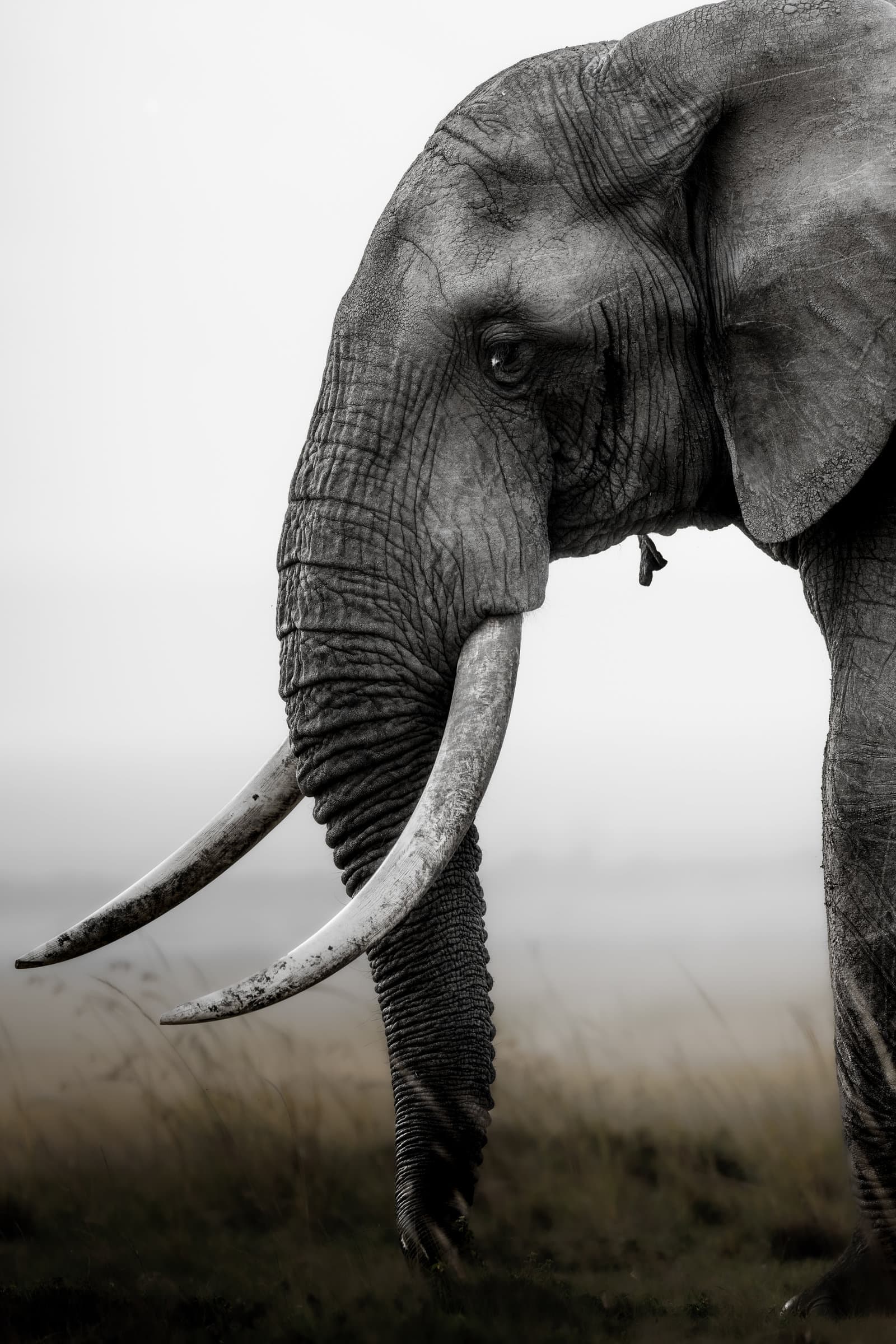
There is power in seeing with both memory and lens. I walk paths where my ancestors once tracked herds, not for research, but for survival, ceremony, and coexistence. I listen to the land as they did. Now, I add a camera to the mix, not to impose a new narrative, but to preserve an ancient one. This is not about exclusion or division. It is about balance.
It is about acknowledging that for centuries, Africa has been documented by those who came from elsewhere, often with the lens of curiosity or conquest. Now, it’s time for more of us, those who live here, who are from here, to be behind the lens, shaping the story. The wild does not belong to one voice. The next generation of wildlife storytellers will be multilingual, multi-perspective, and yes, proudly African.
A Land That Knows Me
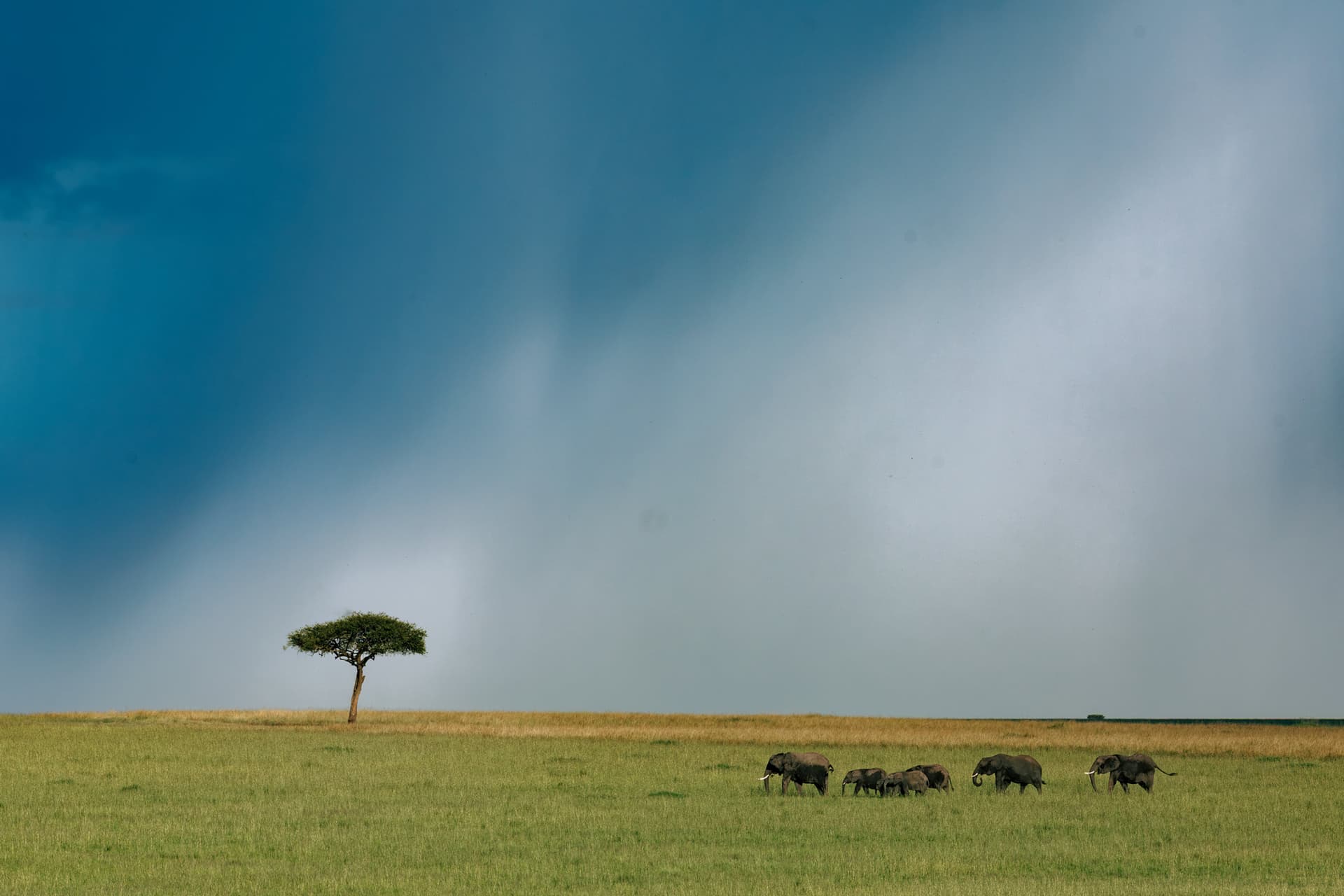
So, as I step into the bush with my camera in hand, I carry with me not just modern gear, but ancient stories. I shoot not just with my eyes, but with memory. With purpose. With love. This land knows me. And now, the world will know that I know it too.
Written by
Photographer
Imara NjeriImara Njeri is a Kenyan wildlife photographer who tells stories of nature through the eyes of belonging. Her work celebrates the deep connection between people, animals, and the land, drawing from ancestral knowledge passed down through generations. Through her lens, Imara reclaims narratives of African wildlife that have long been shaped by outside voices. She aims to inspire young Kenyans, especially girls, to see that they too can document, protect, and give voice to their natural heritage.
Read full profile →Related stories
- People
 Serengeti National Park, TanzaniaNew
Holding the Door Open
From Ireland to Tanzania, from Hugo van Lawick's Serengeti camp to Queens and the ASC, Sophie Darlington reflects on access, mentorship, representation, and the responsibility to bring others in.

Sophie Darlington
Jul 23, 20265 min
- Untold Interviews
 Costa Rica
Discover, Learn and Protect with Jeremiah Winden, Macro Photographer and Explorer
Into caves and forest floors with a photographer who finds the largest stories in the smallest subjects.

Magni Macro
Dec 14, 20255 min
- People
 Zuid-Kennemerland, Netherlands
The Untold Story Behind Untold Wildlife: A Journey of Healing
The personal story behind Untold Wildlife, from struggle and reinvention to a collective shaped by the stories of people, animals, and places.

Deniz Dalkilic
Jul 30, 20245 min
- People
 Greater Kruger, South Africa
The Art of Noticing: A Cornerstone of Wildlife Filmmaking
Before the footage comes the patience. On the discipline of attention that underpins every wildlife film.

Jura Bakx
Dec 26, 20244 min
- Birds
 Agartala, IndiaNew
The Rarest Bird in Agartala: a Global Story of Birds Disappearing in Plain Sight
In a north-eastern Indian town where old trees fall and ponds are filled overnight, the scarcest species isn't a bird at all. It's the birdwatcher, and noticing may be the simplest conservation there is.

Dhrubajyoti Bhattacharjee
Jun 30, 20267 min
- Conservation
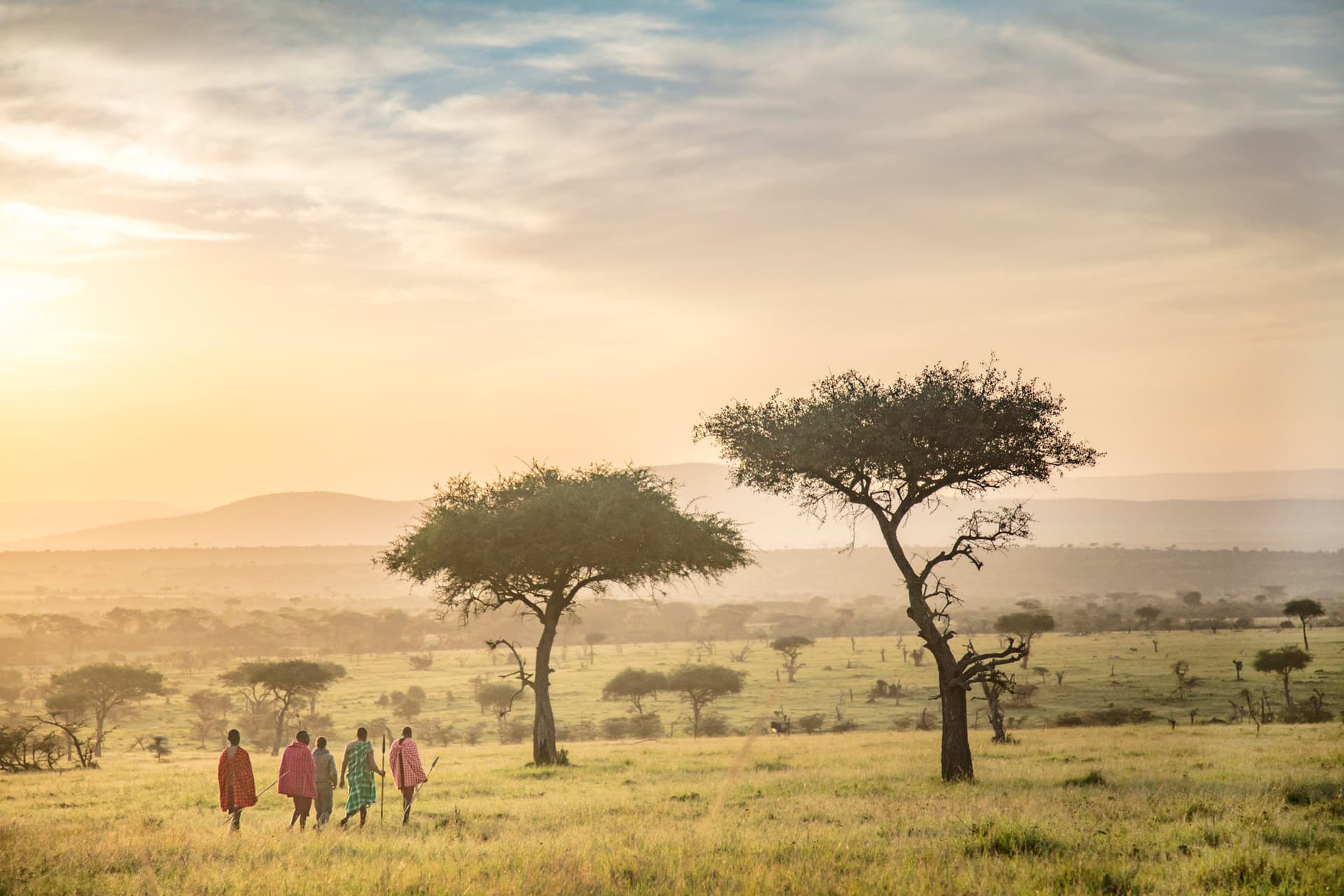 Maasai Mara, Kenya
Learning to See Connection: What Long-Term Photography Reveals About Conservation
Returning to the same landscapes year after year, a photographer learns that the real story is rarely the dramatic moment — it is the slow relationship between land, wildlife, and the people who tend it.

Georgina Goodwin
Apr 15, 20264 min
- Conservation
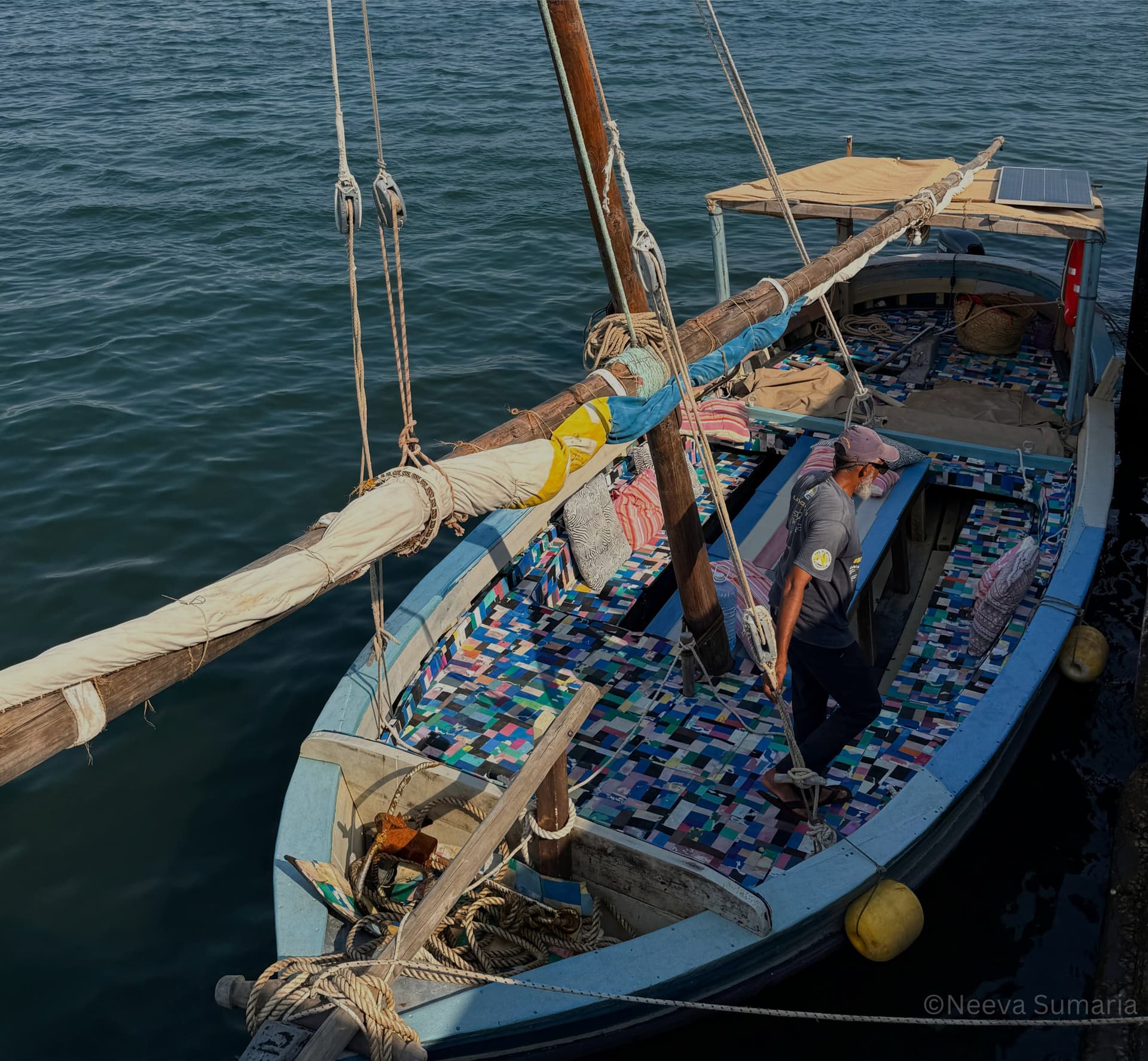 Lamu, Kenya
Flipflopi Project: Plastic Waste to Recycled Sailboat - Kila Kitu Inawezekana
A dhow built entirely from recycled plastic sails the East African coast, carrying a simple message about the circular economy: everything is possible.

Neeva Sumaria
Mar 26, 20268 min
- Wildlife
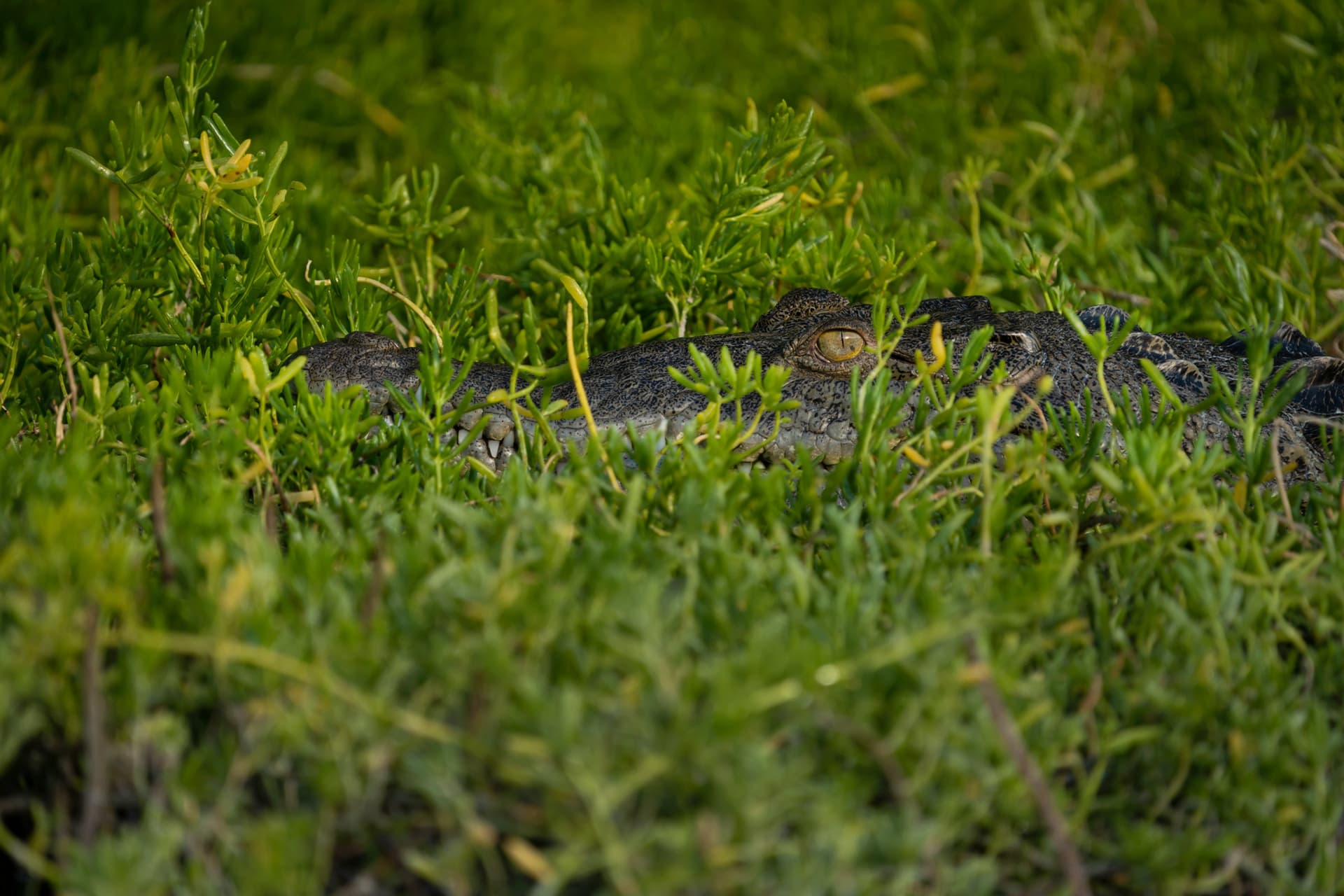 Holbox Island, Mexico
Holbox Wildlife: How Urbanization Is Reshaping Mexico's Yucatán Peninsula
On a sandbar island where flamingos still wade the shallows, rapid development is rewriting the rules of coexistence between people and the wild.

Tamara Blazquez Haik
Feb 17, 20266 min