
People · Greater Kruger, South Africa
The Art of Noticing: A Cornerstone of Wildlife Filmmaking
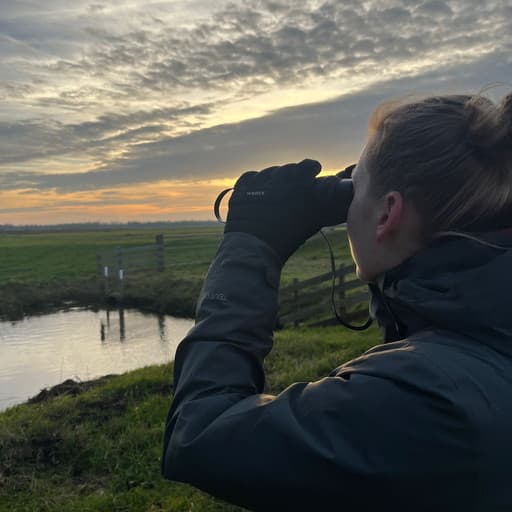
By Jura Bakx, Filmmaker · Dec 26, 2024 · 4 min read
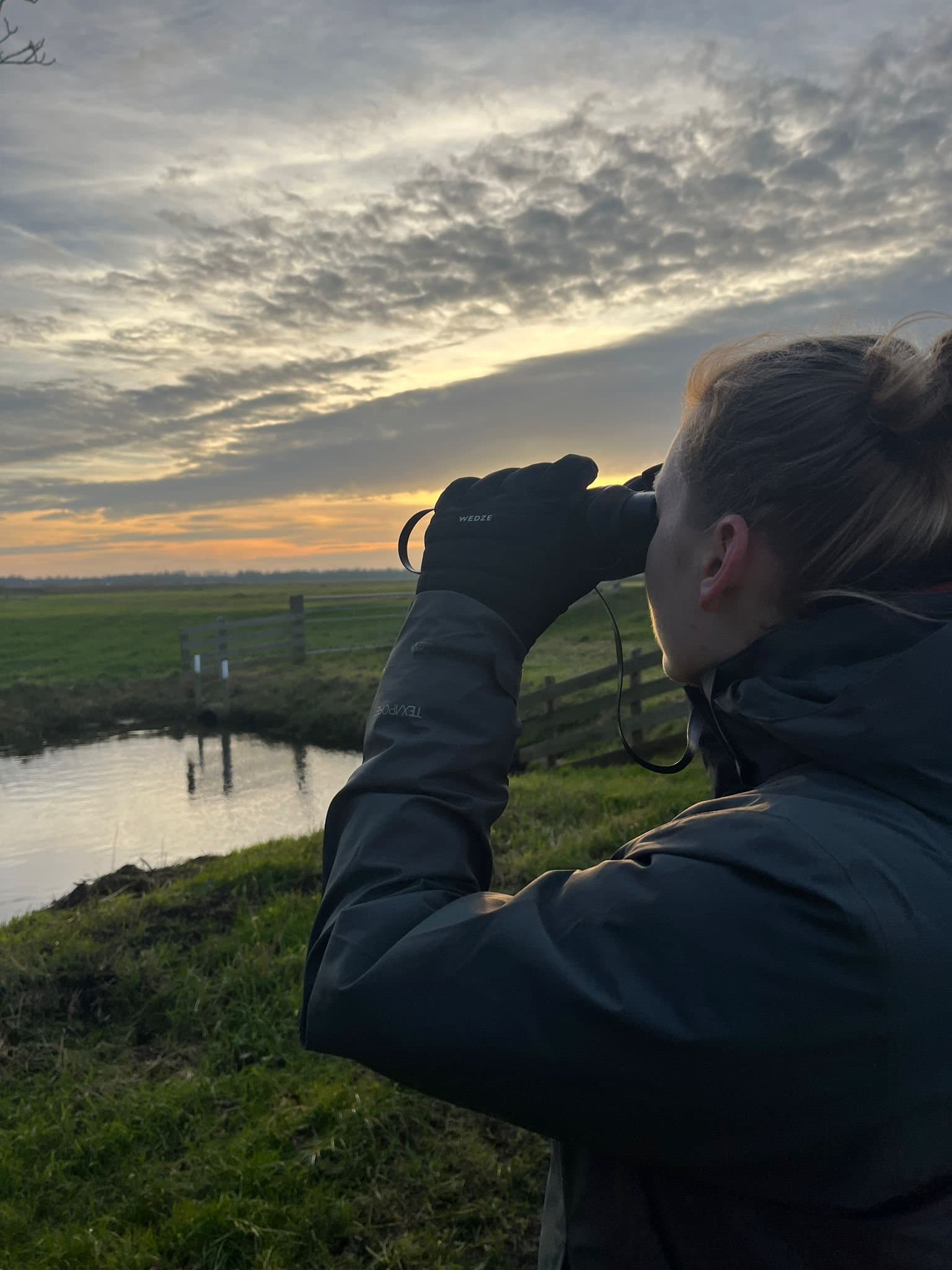
Ever since I can remember, I’ve been captivated by the natural world around us. My parents often took me on adventures through forests, and family days were spent by the seaside. But it was a trip to South Africa at age nine that truly hooked me—the untouched, magical landscapes ignited a spark in me. I could spend hours observing and marveling at nature’s wonders. Back then, I captured everything with a camcorder I received for Christmas, documenting the world as I saw it through my eyes.
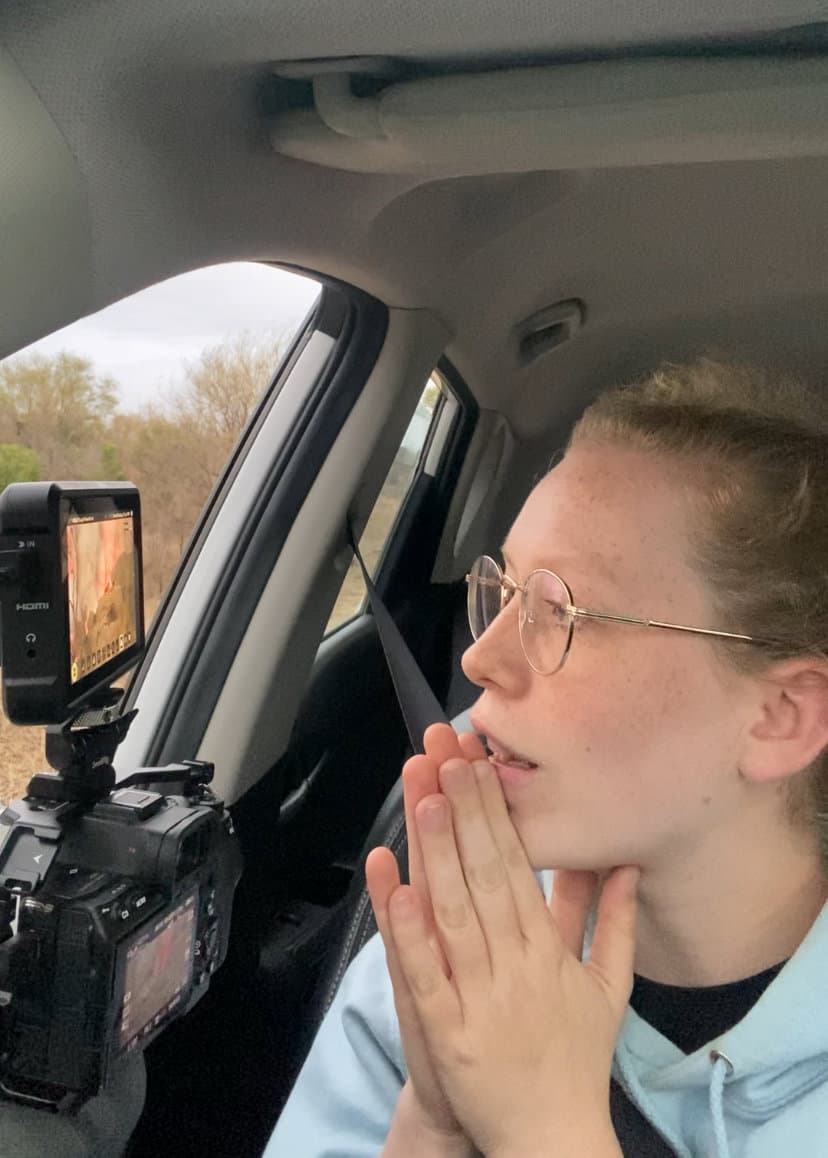
Today, my approach to wildlife filmmaking has evolved significantly. The stories I tell are more thought-out, the subjects are illuminated with care, and the results, dare I say, look a bit more professional. Yet one thing remains unchanged: the way I look at the natural world.
I realized this a few years ago while walking with a group through a nature reserve. While others were focused on completing the trail, I found myself stopping to observe the environment around me, identifying tracks, or listening to the sounds around me. This moment sparked a deeper awareness of how I, as a filmmaker, engage with nature.
Seeing Beyond the Obvious
One of the most powerful tools in wildlife filmmaking is the detail shot—the close-ups that immerse audiences and make them feel part of the environment. Think of the wind rippling through grass, the glint of an animal’s eye, or birds scattering from the treetops. These subtle details transform a scene into a vivid story.
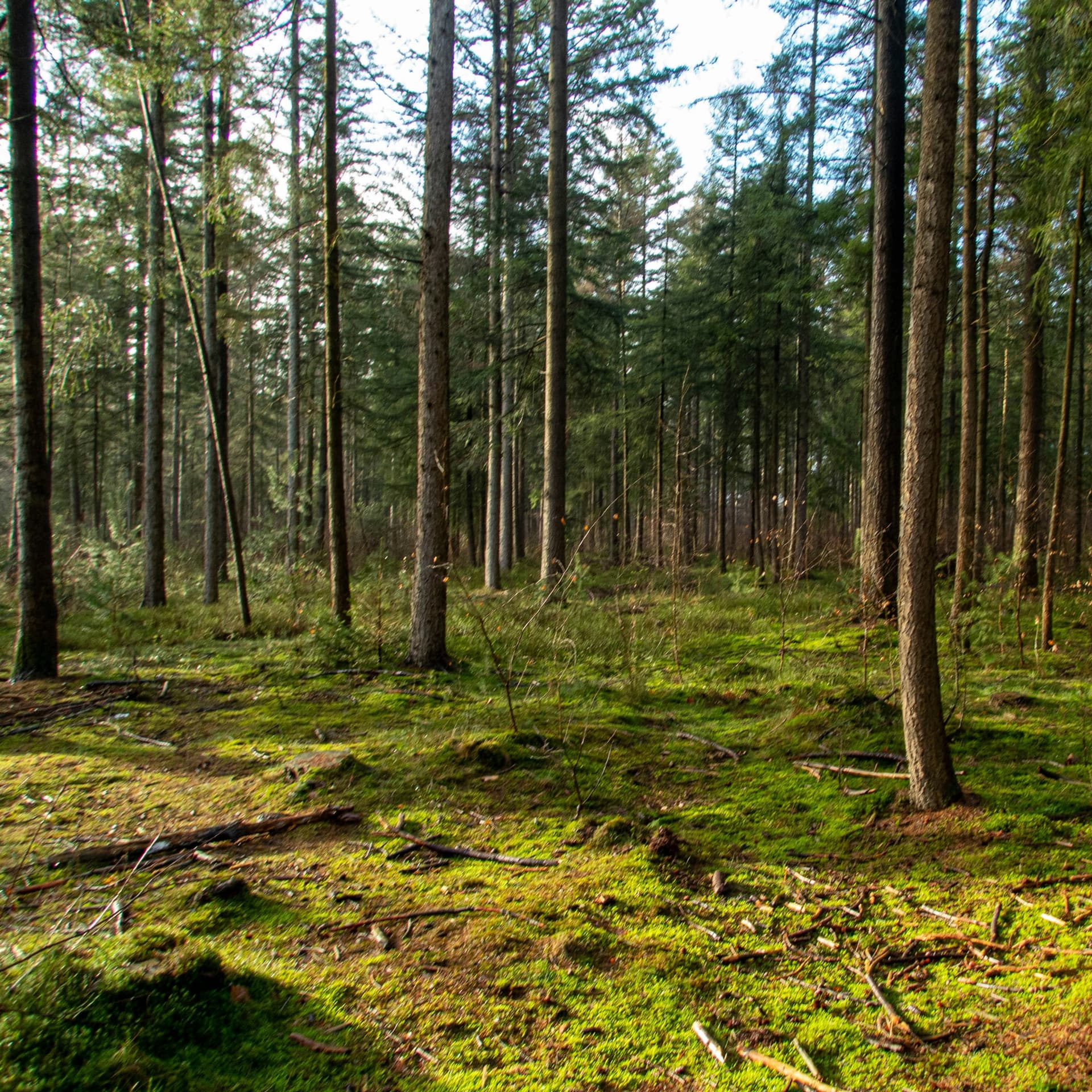
But noticing details requires practice. When walking through a forest, what do you see? Trees? Grass? A path? Of course. But take another look. Do you notice the mushrooms peeking through the undergrowth? The lichen decorating the bark? The fly perched on a cowpat? Each of these elements contributes to the story of that moment in nature.
Now, tune in further. Can you hear the leaves rustling or songbirds calling? What can you smell? The soil after rainfall, perhaps, or the unmistakable scent of pine trees. Suddenly, this ordinary forest becomes a layered, living film—an unfolding narrative that invites you to fully engage.
Why Noticing Matters in Wildlife Filmmaking
In wildlife filmmaking, the art of noticing is not just a skill; it’s a necessity. Nature operates on its own unpredictable timeline, and its rhythm offers countless brief moments to capture. Observing these moments allows filmmakers to craft stories that resonate deeply with audiences.
Take, for example, the crews behind David Attenborough’s documentaries. In Planet Earth II, filmmakers spent months tracking snow leopards in the Himalayas. These elusive creatures, masters of camouflage, required the crew to rely on subtle environmental clues and hours of careful observation to capture rare, intimate footage. It was their ability to notice—the art of truly seeing—that made those moments possible.
Another example can be found in the filming of humpback whales in The Blue Planet. To capture the whales’ hunting technique known as bubble-net feeding, the crew needed to observe not just the whales’ behavior but also the patterns of the water and the movements of fish in the area. By noticing subtle changes in the surface of the water and the timing of the whales’ dives, they were able to position themselves perfectly to document this extraordinary event—a feat of patience, intuition, and deep observation.
I’ve also experienced firsthand how noticing plays a vital role in storytelling while filming lions in South Africa. One morning, I was observing a pride resting peacefully on rocky outcrops. It was still early, and the day hadn’t warmed up yet. Suddenly, one of the lionesses lifted her head and began to yawn—a deceptively simple act, but an important cue in lion behavior. Yawning often signals that they’re preparing to move. Sure enough, she stood up, triggering a ripple of yawns through the pride. Moments later, they began to relocate.
Recognizing this behavior, we decided to drive ahead, anticipating their path. Minutes later, the lionesses came sprinting past, leading us to an incredible scene: the pride with a massive giraffe they had successfully taken down. Without noticing the subtle cues—like that initial yawn—we might have missed this dramatic turn of events entirely.
This attentiveness to detail transforms ordinary moments into extraordinary sequences, bringing the wonder of the natural world to life on screen. The art of noticing isn’t just about observation; it’s about connecting deeply with the environment, reading its signs, and being ready to act when nature reveals its stories.
Noticing Is for Everyone
If I get to choose, noticing begins long before I pick up a camera. I scout locations, observe the play of light, note where activity is likely to happen, and imagine how a scene will unfold. This preparation, rooted in careful observation, allows me to craft compelling visual stories.
The art of noticing extends far beyond filmmakers. It’s a skill anyone can cultivate—whether you’re an artist, a scientist, or simply a nature enthusiast. A walk in the woods becomes infinitely richer when you start to notice the world’s hidden details.
It’s not about memorizing every bird species or identifying every tree. It’s about becoming aware of your surroundings. Tune in to your senses. Look around—not just ahead, but up, down, and all around. Follow the flight of a bird and see if you can spot its nest. Smell the air, listen closely, and feel the textures of the natural world. Just try it, like the nine-year-old me discovering a new perspective through a camera lens.
Written by
Filmmaker
Jura BakxJura Bakx is a wildlife filmmaker based in the Netherlands, with a background spanning corporate film production and wildlife storytelling. His experience ranges from filming in remote wildernesses to exploring the interactions between humans and animals in urban environments. Driven by a commitment to untold, impactful stories, he focuses on places where nature and humanity intersect.
Read full profile →Related stories
- People
 Serengeti National Park, TanzaniaNew
Holding the Door Open
From Ireland to Tanzania, from Hugo van Lawick's Serengeti camp to Queens and the ASC, Sophie Darlington reflects on access, mentorship, representation, and the responsibility to bring others in.

Sophie Darlington
Jul 23, 20265 min
- Untold Interviews
 Costa Rica
Discover, Learn and Protect with Jeremiah Winden, Macro Photographer and Explorer
Into caves and forest floors with a photographer who finds the largest stories in the smallest subjects.

Magni Macro
Dec 14, 20255 min
- People
 Nairobi, Kenya
Through My Lens: Reclaiming the Wild Stories of My Homeland
A Kenyan photographer turns the camera on her own country, reclaiming who gets to tell its wildlife stories.

Imara Njeri
Oct 17, 20255 min
- People
 Zuid-Kennemerland, Netherlands
The Untold Story Behind Untold Wildlife: A Journey of Healing
The personal story behind Untold Wildlife, from struggle and reinvention to a collective shaped by the stories of people, animals, and places.

Deniz Dalkilic
Jul 30, 20245 min
- Birds
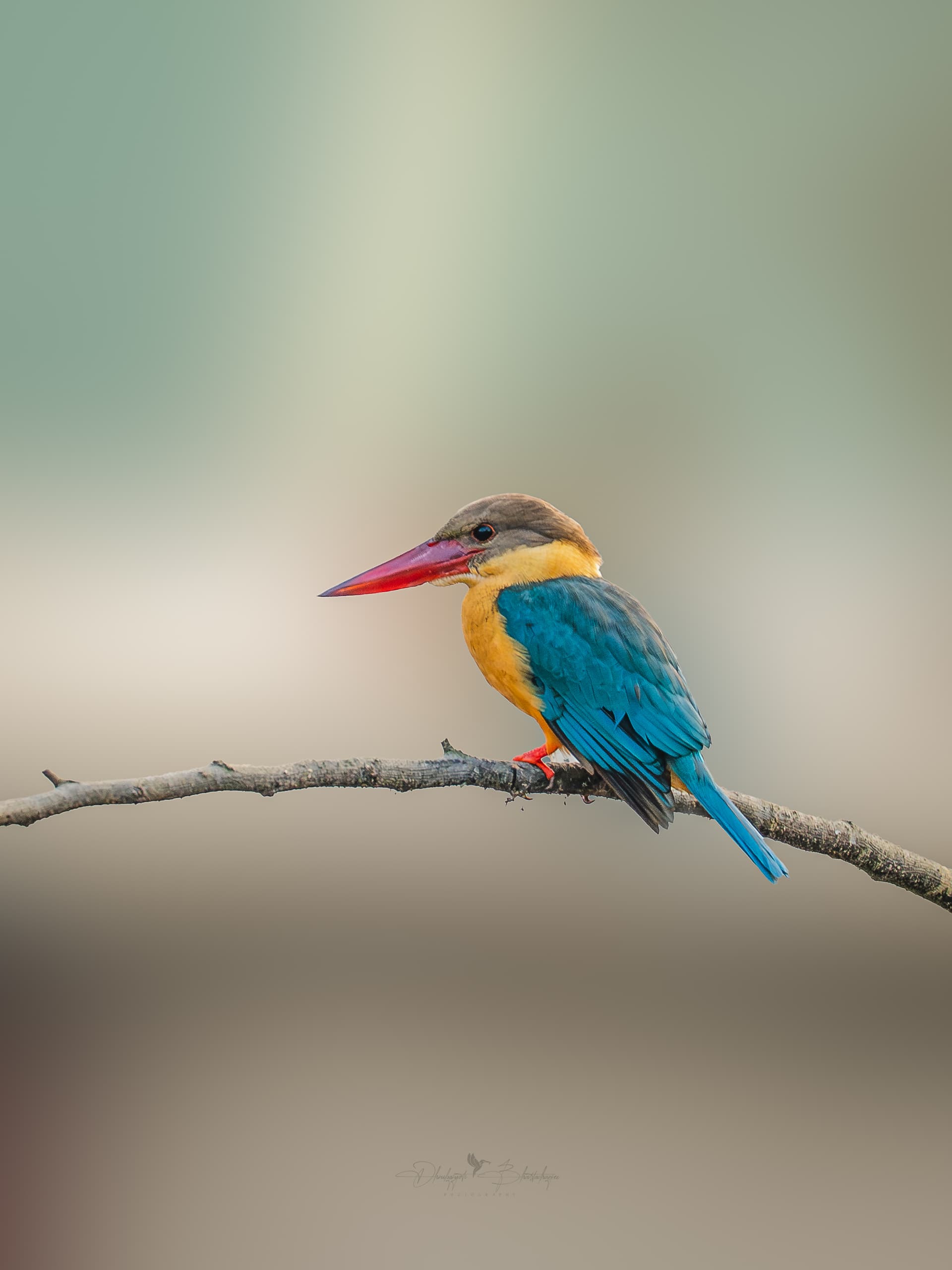 Agartala, IndiaNew
The Rarest Bird in Agartala: a Global Story of Birds Disappearing in Plain Sight
In a north-eastern Indian town where old trees fall and ponds are filled overnight, the scarcest species isn't a bird at all. It's the birdwatcher, and noticing may be the simplest conservation there is.

Dhrubajyoti Bhattacharjee
Jun 30, 20267 min
- Conservation
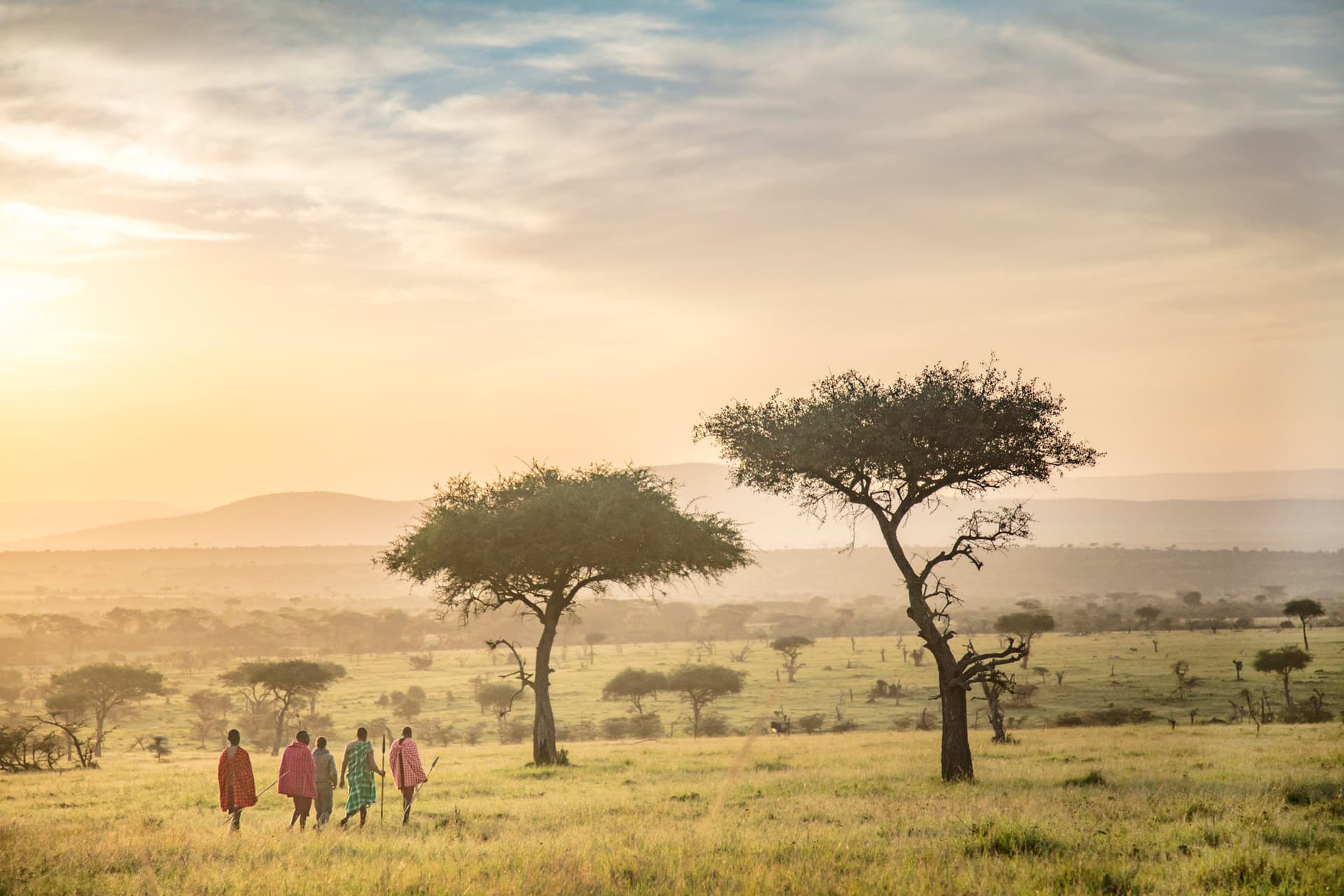 Maasai Mara, Kenya
Learning to See Connection: What Long-Term Photography Reveals About Conservation
Returning to the same landscapes year after year, a photographer learns that the real story is rarely the dramatic moment — it is the slow relationship between land, wildlife, and the people who tend it.

Georgina Goodwin
Apr 15, 20264 min
- Conservation
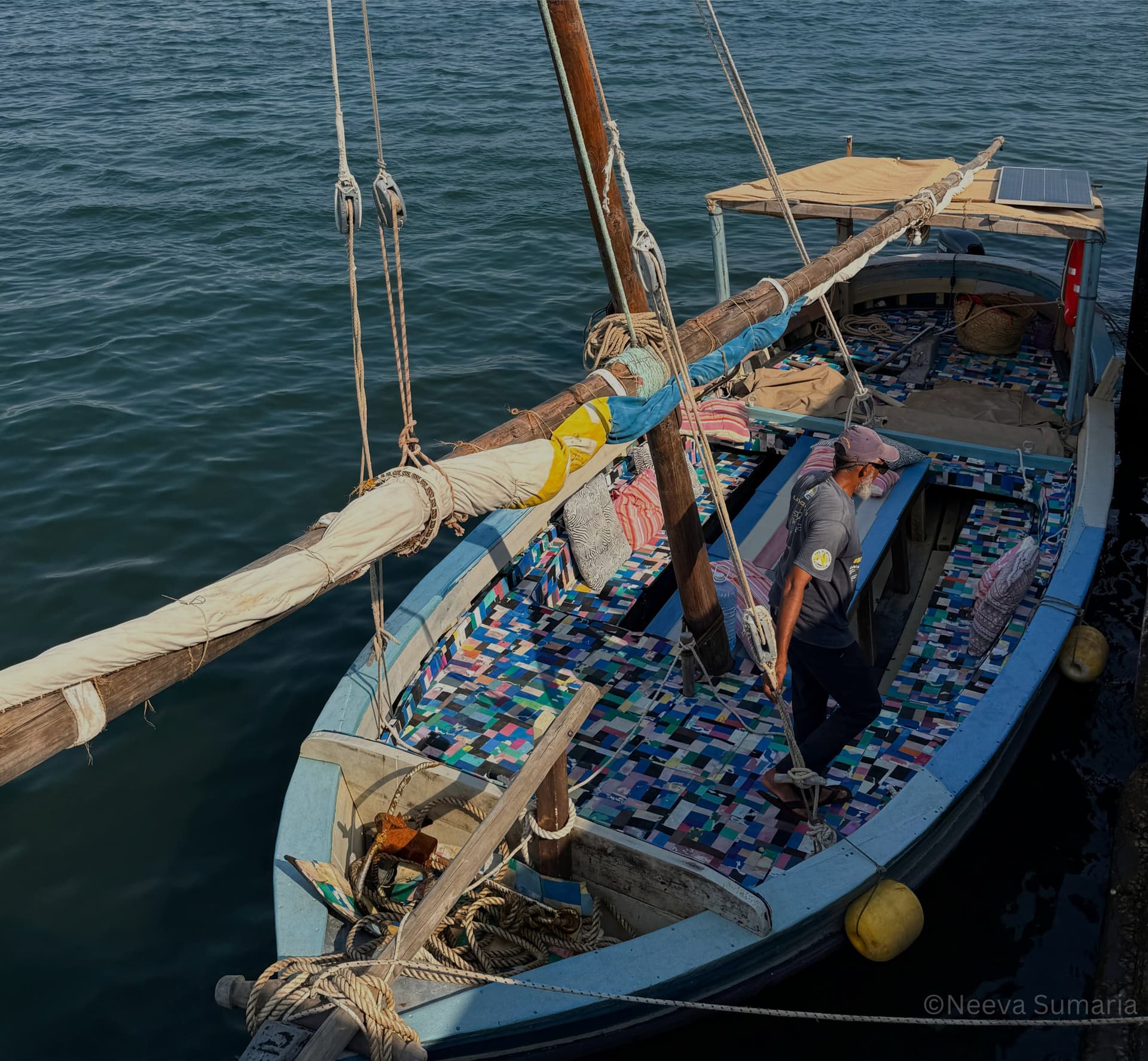 Lamu, Kenya
Flipflopi Project: Plastic Waste to Recycled Sailboat - Kila Kitu Inawezekana
A dhow built entirely from recycled plastic sails the East African coast, carrying a simple message about the circular economy: everything is possible.

Neeva Sumaria
Mar 26, 20268 min
- Wildlife
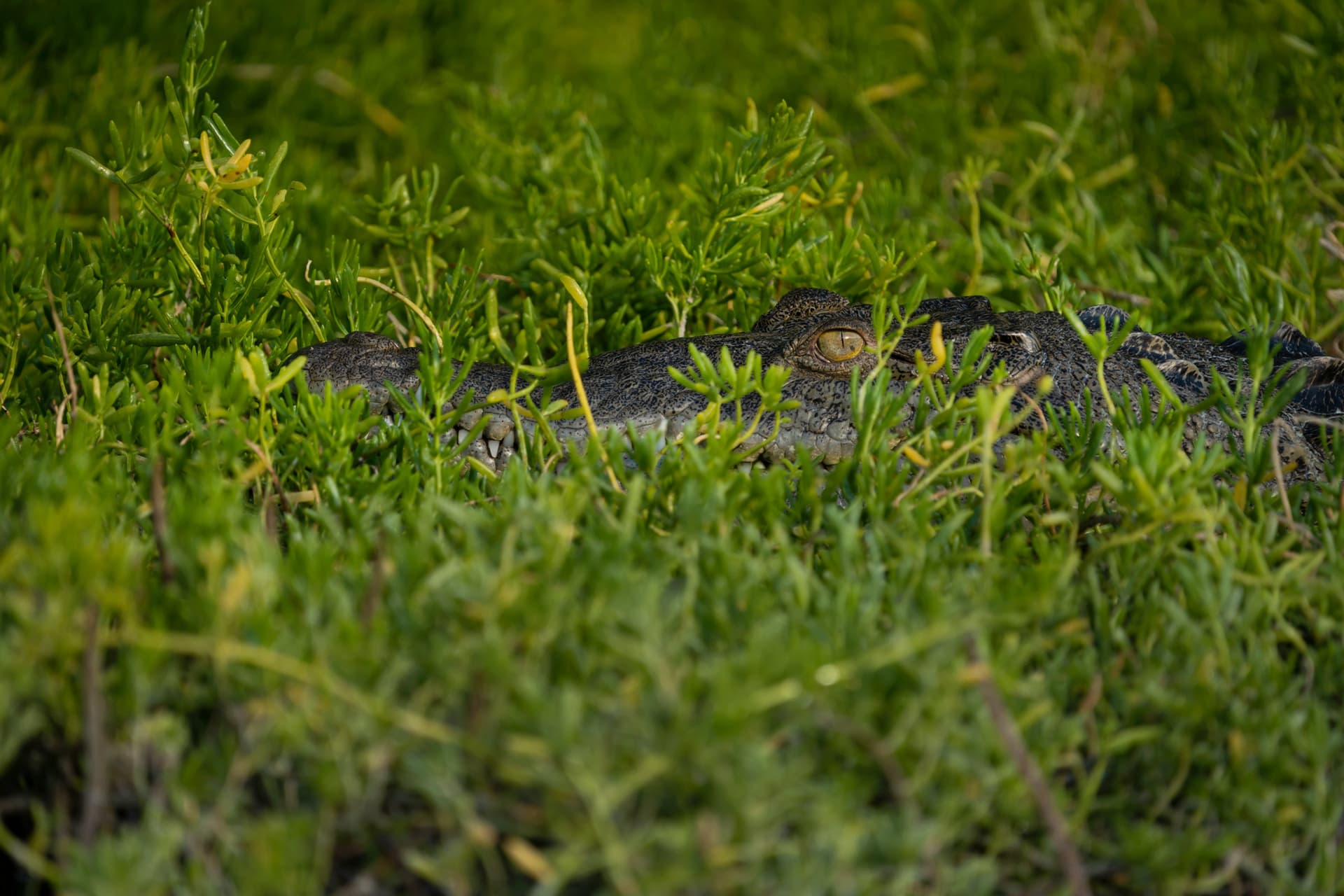 Holbox Island, Mexico
Holbox Wildlife: How Urbanization Is Reshaping Mexico's Yucatán Peninsula
On a sandbar island where flamingos still wade the shallows, rapid development is rewriting the rules of coexistence between people and the wild.

Tamara Blazquez Haik
Feb 17, 20266 min