
City · Germany
Hated, Shunned, and Misunderstood: The Story of the City Pigeon
One of the first birds we ever domesticated now lives unloved at our feet. The city pigeon's story is really a story about us.

By Nephila Wildlife, Photographer · Aug 15, 2024 · Updated Nov 5, 2026 · 7 min read
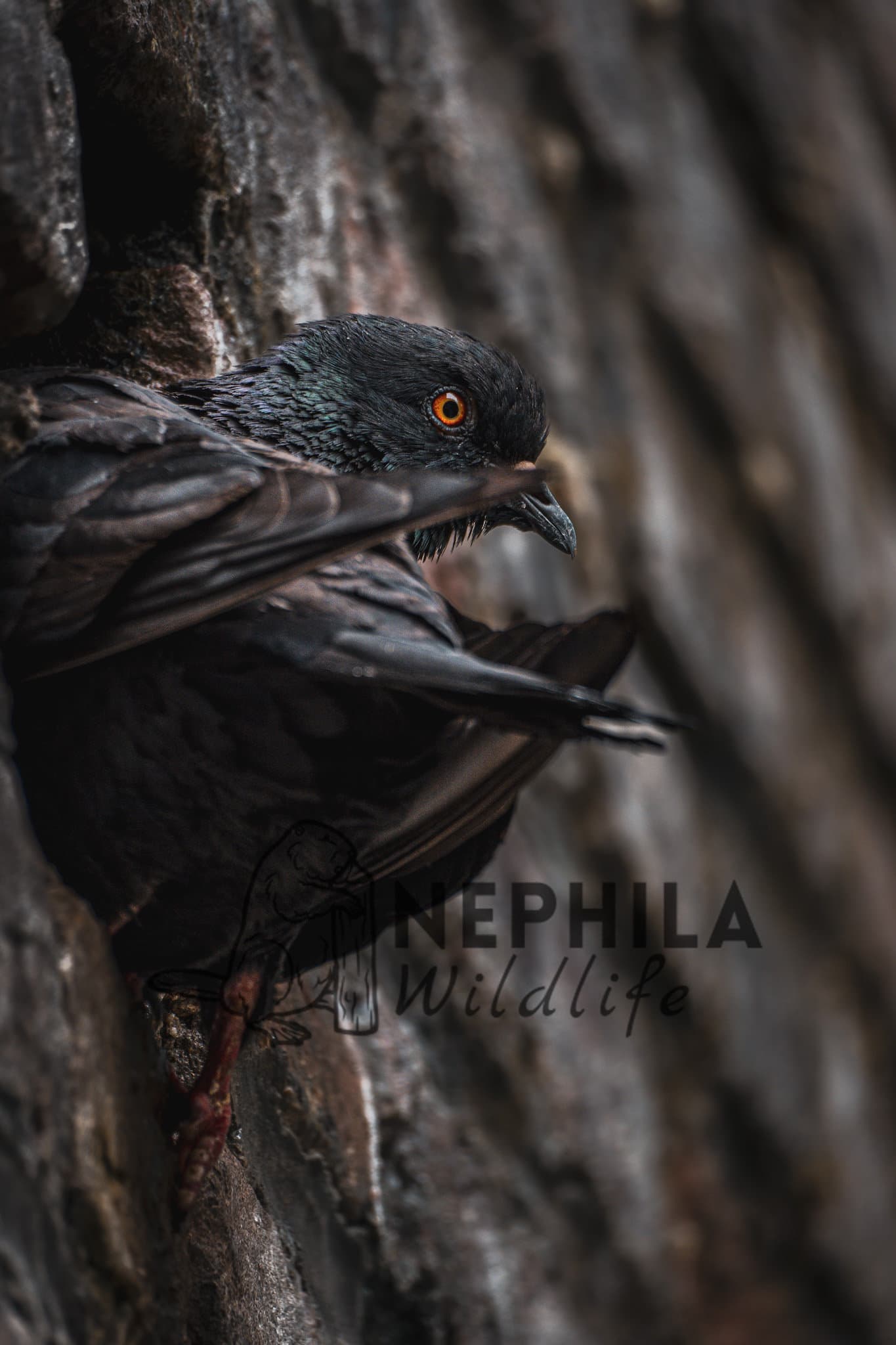
Pigeons are a common sight in almost every city and, undeservedly, have a rather negative image. Many people still believe that pigeons spread diseases, a superstition that has long been debunked. [8] Fortunately, as awareness increases, the negative reputation of city pigeons is gradually diminishing. For years, I paid no attention to pigeons and was unaware of the sad fate that humans have inflicted upon them and continue to inflict. This article tells the story of the city pigeon.
City Pigeons Are Domestic Animals
The history of the city pigeon began thousands of years ago when humans domesticated the wild ancestor of the city pigeon, the rock dove. Initially, pigeons were mainly raised for meat, but soon the first carrier pigeons emerged. These birds were bred to remain at a specific location for life (site fidelity). If removed from their location, they would do everything possible to return to their familiar environment, guided by their strong sense of direction.
Pigeons were not only used for their meat or as carrier pigeons but also served military purposes. During World War II alone, over 100,000 city pigeons were used for communication and aerial surveillance. However, after the war, as technology advanced, pigeons became useless to humans and were ruthlessly abandoned on the streets. [1]
Due to a highly developed breeding instinct (which is unusual for wild birds), pigeons lay two eggs multiple times a year, regardless of the season or weather. [2] This has led to a rapid increase in pigeon populations in cities. Like their ancestors, city pigeons need a flat surface for nesting, which is why these site-faithful animals often stay near buildings and bridges.
Even today, carrier and wedding pigeons are bred worldwide, and pigeon races are held across many countries. In these races, thousands of birds are released up to 1,000 kilometers from their pigeon lofts. The pigeons’ strong site fidelity and monogamous partnerships are exploited, leading them to desperately try to return home. Pigeons in monogamous relationships fly significantly faster to return to their partners. The breeder whose pigeon returns fastest wins the race and often high prize money. These races result in high mortality rates, with many pigeons dying. Many also get lost and end up in our cities, further increasing the populations. This “sport” is even protected by UNESCO as intangible cultural heritage, despite causing significant suffering for the birds. [3,4,5] Once released, wedding pigeons face poor survival chances, with many starving or dying of thirst. Due to years of selective breeding, city pigeons are entirely dependent on humans, unable to survive in the wild. We are responsible for their suffering and must offer them help. City pigeons are nothing more than feral pets, like stray cats or dogs.
Killing Pigeons Is Pointless
The city administration in Limburg made headlines after deciding to reduce the local pigeon population by having around 200 birds stunned with a rod and then killed by breaking their necks, instead of choosing a long-term and animal-friendly alternative. [7] This approach was not only cruel and absurd but also utterly pointless.
Update, June 30, 2025: The cull did not go ahead. On March 26, 2025, the Hessian Ministry of Agriculture and Environment withdrew a 2022 decree that had excluded city pigeons from protections applying to wild-living animals. Catching or killing the pigeons therefore required an exemption under Germany’s Federal Species Protection Ordinance. On June 30, the Lower Nature Conservation Authority refused that exemption because the applicants had not demonstrated significant economic damage. The 200 pigeons could not be killed. The reversal followed sustained protests and legal advocacy by animal-welfare organizations. [16,17]
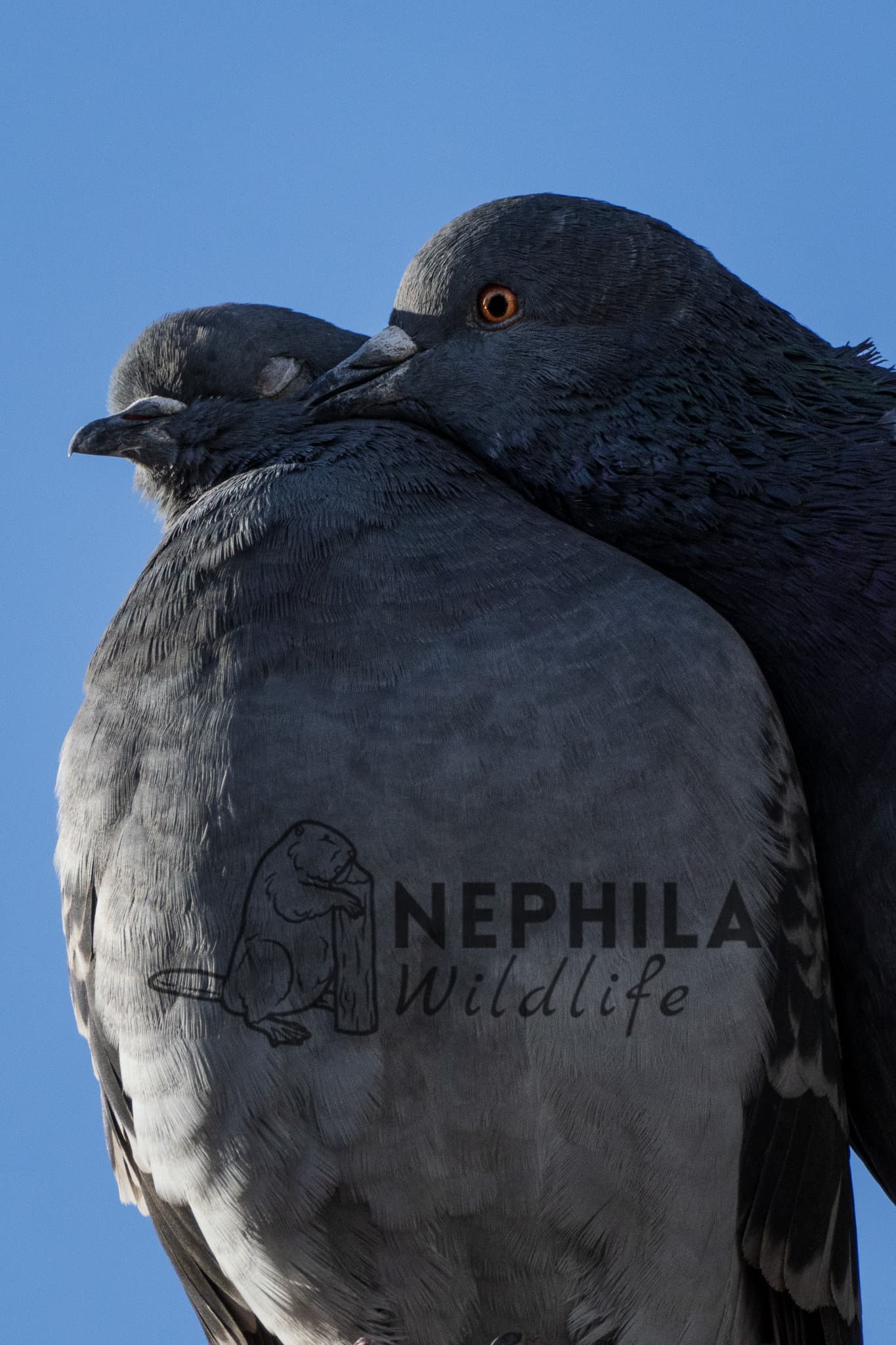
The Limburg debate did identify a real issue: city pigeon populations urgently need humane regulation—not because they pose a problem for humans, but because the birds are not suited for life on the streets. If a large part of a population is killed, its numbers can quickly recover because of the pigeons’ strong breeding instinct and the arrival of more birds stranded from pigeon races, leaving a city with the same problem as before. Fortunately, many cities are distancing themselves from the “Limburg model.” [9] Pigeons care deeply for their partners. The planned cull would not only have taken their lives but also left behind the partners of these monogamous birds.

What Does a Long-Term Solution Look Like?
Supervised pigeon lofts (the so-called "Augsburg model") have proven successful in the past. Pigeons are attracted to a specially built pigeon house, where they find suitable food and numerous nesting spots. Once a pigeon lays eggs, they are replaced with dummy eggs, gradually reducing the pigeon population. Other advantages include concentrating the pigeon population in one location and collecting most of the droppings, which can then be properly disposed of. More and more cities, such as Hamburg, Tübingen, Frankfurt, Mainz, and others, are adopting this concept. The city of Jena, for example, swapped over 1,000 eggs in three pigeon lofts in 2020 alone, preventing over 1,000 instances of pigeon suffering. The city also reports that most pigeons stay in the lofts, as they no longer need to search for food, meaning over 80% of droppings are contained and properly disposed of—almost four tons in total! [10]
Feeding Bans Are Pointless
Many cities have imposed an absolute ban on feeding city pigeons, with violations sometimes leading to fines. This ban is based on the misconception that well-fed pigeons reproduce faster, which is not true. The pigeons’ strong breeding instinct persists over many generations. [...] Even in times of food scarcity, city pigeons lay a high number of eggs. Therefore, feeding bans do not lead to shrinking populations,” explains a Berlin report commissioned by the state animal welfare commissioner. [11]
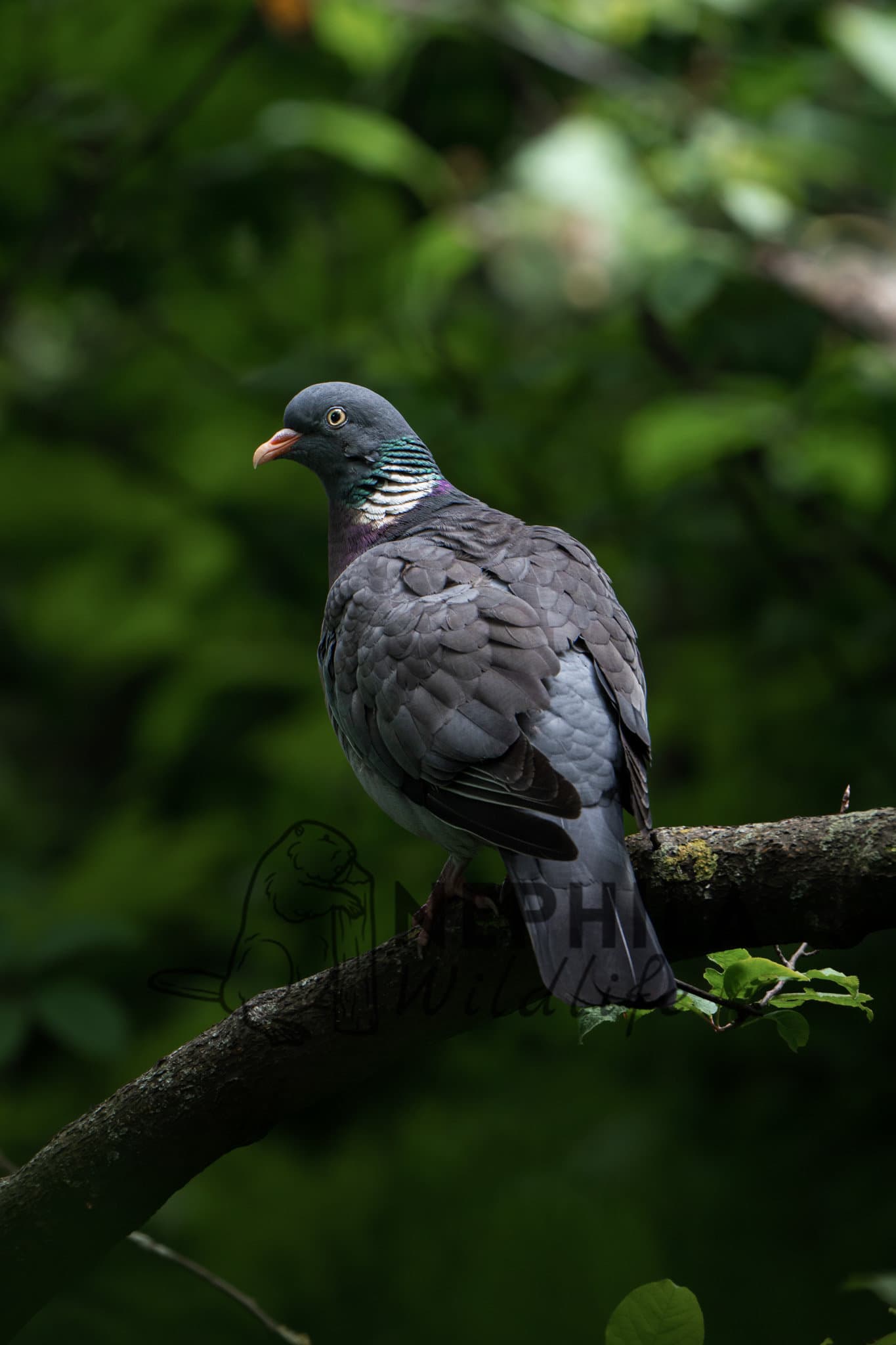
Additionally, many people find pigeon droppings an eyesore, especially since they can damage buildings. However, this is mainly due to liquid droppings resulting from poor or insufficient food. With proper feeding (pigeons are grain eaters and feed on shelled sunflower or corn kernels), the droppings become dry and rounded, causing less damage. [10]
From an ethical standpoint, it should be self-evident that feral pets should be fed appropriately and not survive on garbage—not only because it makes them sick, but also because feeding bans are ineffective in reducing pigeon populations and their droppings.
At many temples in Nepal, thousands of city pigeons live, where they are considered “sacred” and are fed appropriately by locals. However, even though the temples provide a safe place for the pigeons, many of the birds suffer. They reproduce uncontrollably, leading to fierce competition among the pigeons for food.
Personal Opinion
Pigeons are the first domesticated birds in human history. They were once associated with positive qualities and even symbolized purity. [1] Pigeons are highly intelligent animals and can recognize their own reflection [12]—a trait observed only in the smartest creatures on earth, such as elephants or dolphins. They can even rival toddlers and apes in intelligence tests. Our city pigeons do not deserve their bad reputation, especially since they are victims of human ignorance and exploitation. When they were no longer needed, they were ruthlessly abandoned on the streets and left to their fate.
Most of our city pigeons live in poor conditions, not only because they are forced to eat leftover food that makes them sick, but also because they are often victims of animal cruelty, lose limbs due to tangled strings, or are unnecessarily stressed by children chasing them.
Under human care, pigeons can live 12-15 years. On the streets, they rarely survive beyond 2-3 years. [11] We humans are responsible for the pigeons ending up in cities, so we are also responsible for helping our pets out of this predicament. We are responsible for mitigating the birds’ suffering as humanely as possible, and pigeon houses following the Augsburg model provide an efficient and effective solution.
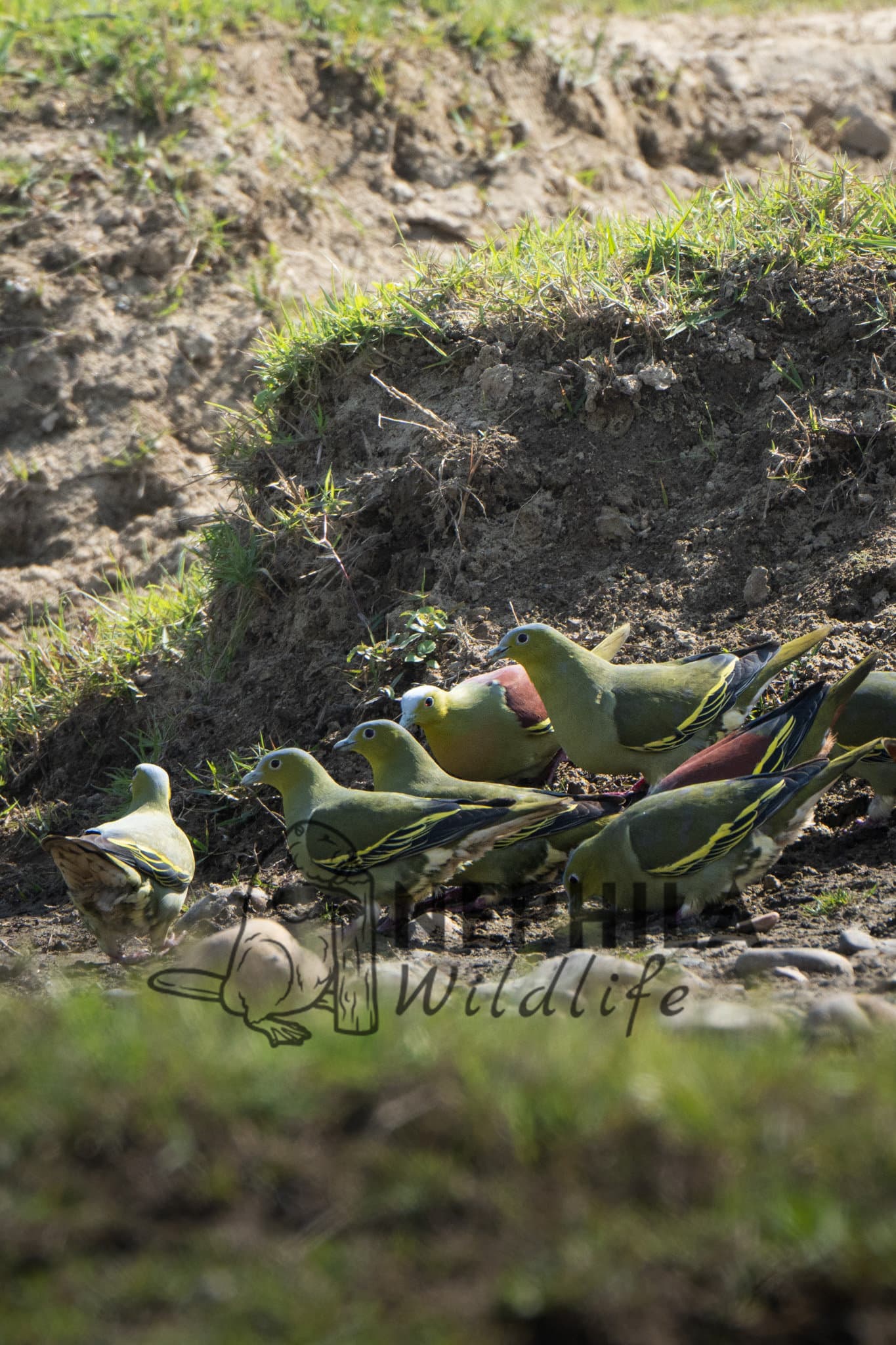
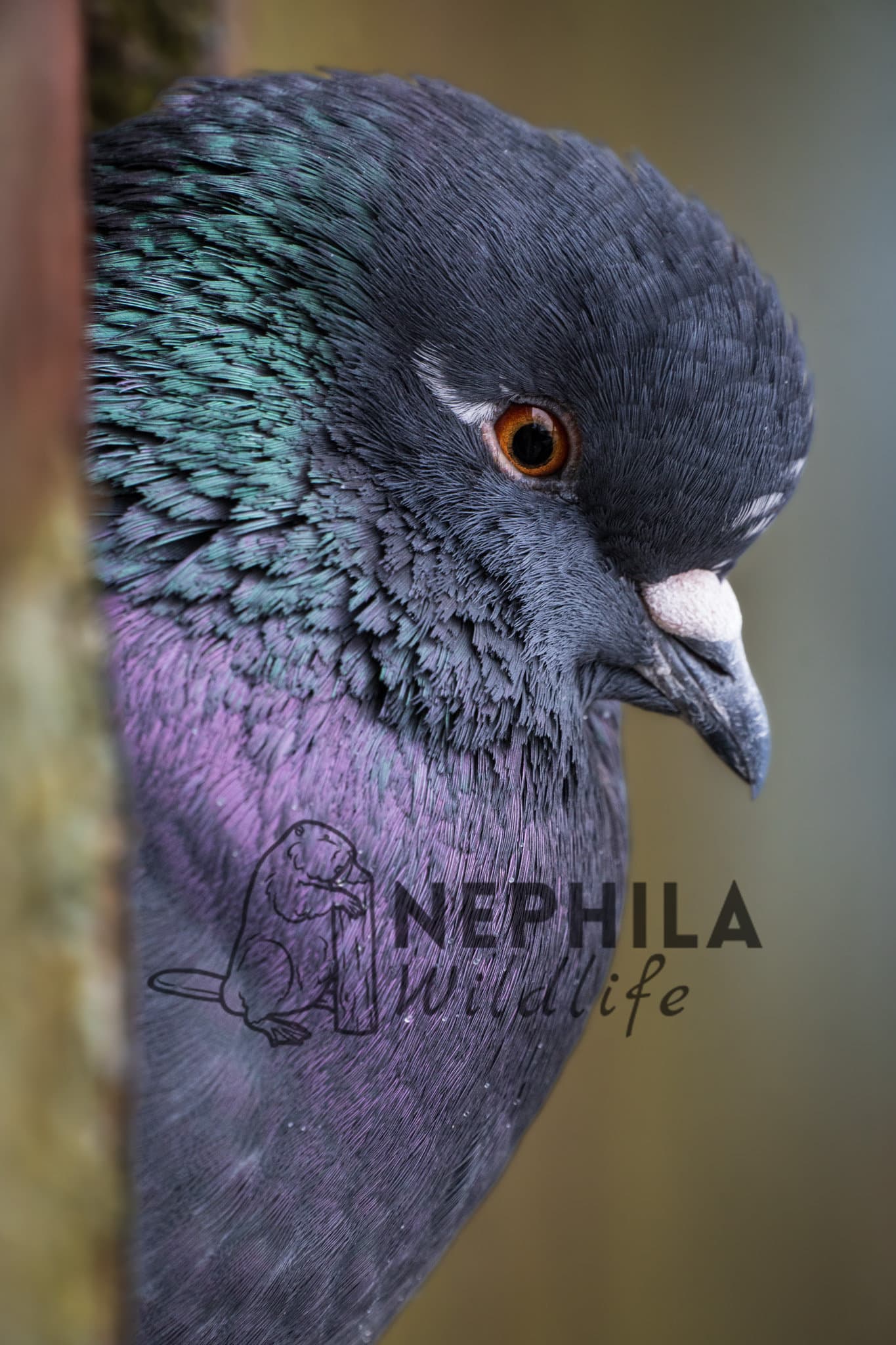
At the same time, we urgently need to discuss pigeon breeding. As long as thousands of pigeons are bred every year for human entertainment—whether for wedding ceremonies or pigeon races, where they suffer and die or end up stranded in cities—the problem of city pigeons will, in my opinion, never be resolved. “Mahatma Gandhi once said, ‘The more helpless a living being is, the greater its right to human protection from human cruelty.’” Not every pigeon needs human help—the common wood pigeon in Germany, for example, can survive as a wild animal on its own. However, even these birds face challenges in Germany, as they are the most hunted bird species (over 300,000 birds were killed in 2021/22). [14] There are over 300 colorful pigeon species worldwide—most of which live in the wild, like the Ashy-headed Green Pigeons pictured above from the edge of a jungle in Nepal.
What You Can Do
Educate others about pigeons! I’ve often seen someone’s opinion of pigeons completely change after learning about their plight. If you ever see an injured or sick pigeon, don’t hesitate to secure it. Almost every city now has a pigeon protection organization with volunteers who will support you. Every animal is an individual and has the right to live—and believe me, it’s an indescribable feeling to know you’ve helped save a life! P.S.: If you feel antipathy towards pigeons, encourage your children to chase them, or even intentionally harm them, remember that pigeons are excellent at recognizing human faces [13]—so next time, perhaps take an umbrella. 😉 Even though pigeons may look alike to many people, they differ not only in character but also often in small external features.
Resources
[1] Weishaupt, M. (15.04.2024). “Rats of the Skies”: The Sad Story of the City Pigeon. Retrieved on 12.06.2024 from: https://www.nationalgeographic.de/tiere/2024/03/ratten-der-luefte-ueber-die-traurige-geschichte-der-stadttaube. National Geographic
[2] Stadt Braunschweig. (2024). Braunschweig’s City Pigeons. Retrieved on 12.06.2024 from https://www.braunschweig.de/leben/gesundheit/tierschutz_veterinaerwesen/stadttauben/index.php
[3] Hamburger Stadttauben e.V. (2024). …that Pigeons Enter into Lifetime Partnerships? Retrieved on 12.06.2024 from https://www.hamburgerstadttauben.de/dass-tauben-eine-lebenslange-partnerschaft-eingehen/
[4] PETA (03.05.2023). Carrier Pigeons: Exploited, Tortured, Killed – The Suffering of the Birds. Retrieved on 12.06.2024 from https://www.peta.de/themen/brieftauben/
[5] Meyer, S. (07.09.2020). Flying for Their Lives. Retrieved on 12.06.2024 from https://taz.de/Streit-um-die-Brieftaube/!5708236/
[6] Focus Online (11.01.2021). Romantic Custom, Cruel to Animals: The Cruel Business of Wedding Pigeons. Retrieved on 12.06.2024 from https://www.focus.de/familie/beziehung/romantischer-brauch-der-tiere-quaelt-das-grausame-geschaeft-mit-hochzeitstauben_id_11111841.html
[7] Hessenschau (10.06.2024). Citizens in Limburg Vote for Pigeon Culling. Retrieved on 12.06.2024 from https://www.hessenschau.de/politik/buergerentscheid-mehrheit-der-buerger-in-limburg-stimmt-fuer-tauben-toeten–v3,buergerentscheid-limburg-tauben-toetung-100.html
[8] Erna Graff Stiftung (2024). Do Pigeons Transmit Diseases and Parasites? Retrieved on 12.06.2024 from https://www.erna-graff-stiftung.de/tauben/krankheiten/
[9] Schindler, J. & Thomas, D. (11.06.2024). What Is Being Done About the Many Pigeons in Cities in RLP? Retrieved on 12.06.2024 from https://www.swr.de/swraktuell/rheinland-pfalz/nach-entscheid-taubentoeten-limburg-wie-ist-tauben-lage-in-rlp-100.html
[10] Schödensack, T. (17.02.2021). A Heart and a Home for Pigeons – The Advantages of a Pigeon Loft. Retrieved on 12.06.2024 from https://blog.stadtwerke-jena.de/ein-herz-und-ein-haus-fuer-tauben-diese-vorteile-bietet-ein-taubenschlag/
[11] Dr. Hermann, K. (2024). “Bans Are Unlawful” – Legal Opinion: Cities Must Feed Pigeons – Because They Are Lost Property. Retrieved on 12.06.2024 from https://www.berlin.de/lb/tierschutz/tauben/artikel.1174454.php. State Animal Welfare Commissioner Berlin
[12] Epstein, R., Lanza, R. P., & Skinner, B. F. (1981). “Self-awareness” in the Pigeon. Science, 212(4495), 695-696.
[13] Spiegel (05.07.2011). Pigeons Remember Faces. Retrieved on 12.06.2024 from https://www.spiegel.de/wissenschaft/natur/verblueffendes-experiment-tauben-merken-sich-gesichter-a-772532.html
[14] PETA (01.03.2021). Hunting Season: These Animals Are the Most Killed by Hunters. Retrieved on 14.06.2024 from https://www.peta.de/themen/jagdsaison/
[15] PETA (26.09.2023). The Pigeon – 11 Fascinating Facts About the Birds. Retrieved on 14.06.2024 from https://www.peta.de/themen/tauben
[16] Landkreis Limburg-Weilburg (30.06.2025). Lower Nature Conservation Authority Refuses an Exemption Permit for the Capture of City Pigeons. Retrieved on 26.10.2026.
[17] German Animal Welfare Federation (27.03.2025). Limburg Must Now Call Off the Pigeon Cull. Retrieved on 26.10.2026.
Written by
Photographer
Nephila WildlifeNephila Wildlife is a wildlife photographer from Germany who travels to document wild animals in their natural habitats. Their work is grounded in respect for free-living wildlife and opposition to animal exploitation.
Read full profile →Related stories
- City
 Vienna, Austria
Survival of the Fittest: How Wildlife Adapts to Urban Habitats
Foxes on the rooftops, falcons on the towers — a look at the wild animals quietly rewriting their rules to live alongside us.

Nikolai Goritschnig
Jul 29, 20244 min
- Birds
 Dutch countryside, Netherlands
Protecting Barn Owls: Community Involvement in the Netherlands
How a network of volunteers, farmers, and nest-box builders gave the barn owl a foothold again across the Dutch countryside.

Nicolas Clerc
Sep 16, 20244 min
- Birds
 Agartala, IndiaNew
The Rarest Bird in Agartala: a Global Story of Birds Disappearing in Plain Sight
In a north-eastern Indian town where old trees fall and ponds are filled overnight, the scarcest species isn't a bird at all. It's the birdwatcher, and noticing may be the simplest conservation there is.

Dhrubajyoti Bhattacharjee
Jun 30, 20267 min
- Macro
 Lithuania
The Spiders Next Door: Why You Don't Have to Fear Them
The web in the corner is doing more good than you think. Meeting the household spiders we share our walls with, up close.

Magni Macro
Sep 8, 20248 min
- Wildlife
 Central Florida, United States
Photographing Wildlife in Your Own Yard
You do not need a passport to find the wild. The most patient nature photography often begins just outside the back door.

Karen González Videla
Jun 26, 20255 min
- Birds
 Little Rann of Kutch, Gujarat, IndiaNew
A Bed of Roses: Flamingos in the Little Rann of Kutch
Following a lone flamingo into the monsoon wetlands of Gujarat, Jair Luke Sam finds a flock in the Little Rann of Kutch and reflects on the changing water levels, salinity, and human pressures shaping its future.

Jair Luke Sam
Oct 31, 202613 min
- Wildlife
 Holbox Island, Mexico
Holbox Wildlife: How Urbanization Is Reshaping Mexico's Yucatán Peninsula
On a sandbar island where flamingos still wade the shallows, rapid development is rewriting the rules of coexistence between people and the wild.

Tamara Blazquez Haik
Feb 17, 20266 min
- Conservation
 Lamu, Kenya
Flipflopi Project: Plastic Waste to Recycled Sailboat - Kila Kitu Inawezekana
A dhow built entirely from recycled plastic sails the East African coast, carrying a simple message about the circular economy: everything is possible.

Neeva Sumaria
Mar 26, 20268 min