
Wildlife · Holbox Island, Mexico
Holbox Wildlife: How Urbanization Is Reshaping Mexico's Yucatán Peninsula
On a sandbar island where flamingos still wade the shallows, runaway development is rewriting the rules of coexistence faster than the wildlife can adapt.

By Tamara Blazquez Haik, Photographer · Feb 17, 2026 · 6 min read
The last time I visited Mexico’s Yucatán Peninsula was in December 2023. I was hoping to meet and photograph the area’s iconic American flamingos (Phoenicopterus ruber) in all of their splendor. And so I did. I was able to photograph many of these birds’ magical moments as they fed on shallow mangrove waters, fought against each other (as graceful as they look, flamingos are very territorial!), and also when they flew across Yucatan’s wetlands and swamps.
Tourism, Urbanization, and the Rapid Loss of Mangrove Ecosystems
What I wasn’t expecting to see though, was the looming presence of “civilization” encroaching on these ecosystems and their residents. Throughout the wetlands surrounding Yucatan’s capital city of Merida, as well as some of its port towns like Progreso and Sisal, you could easily see how hotels, apartment buildings, and many other structures were being built without any consideration for the local biodiversity.
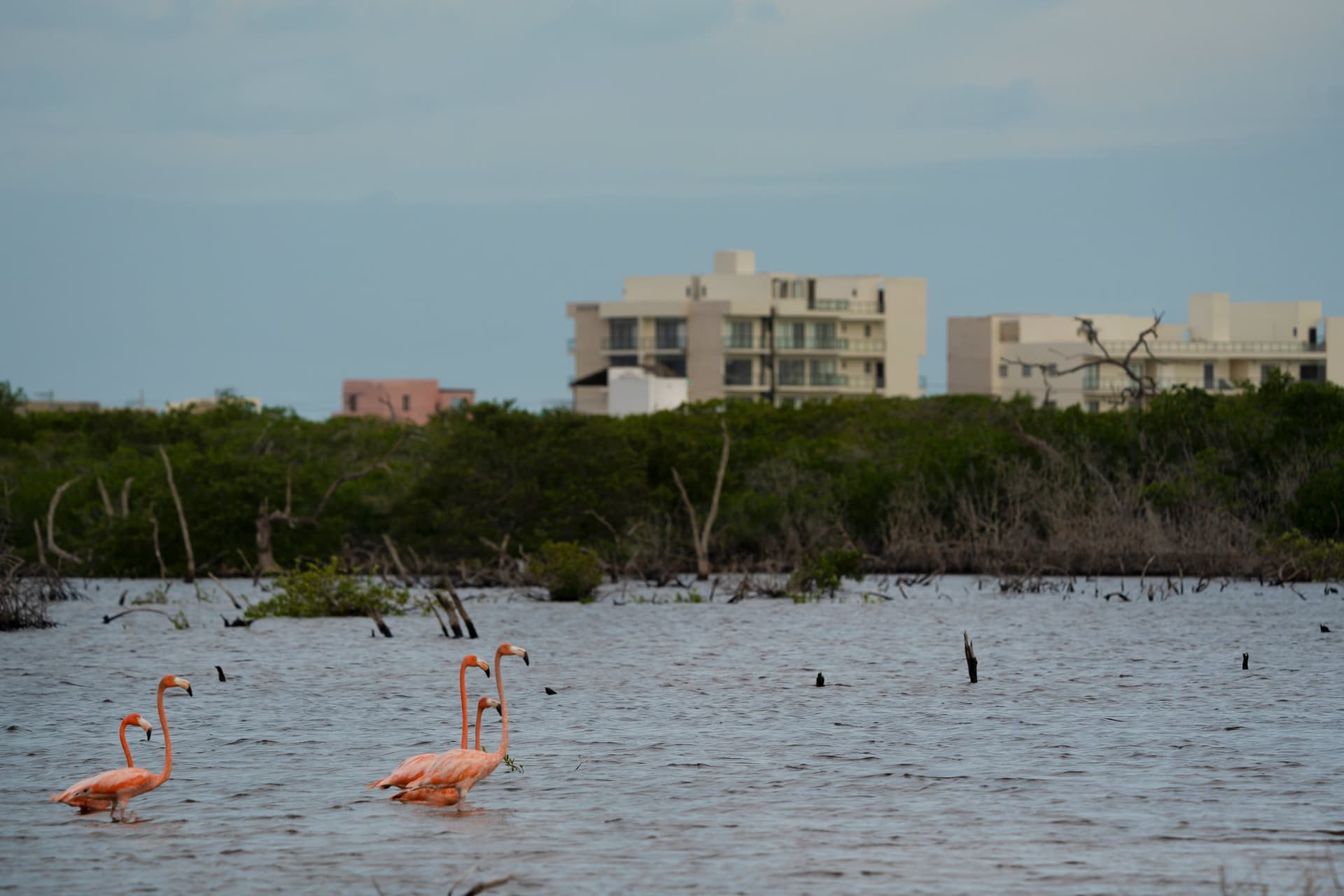
And sadly, this has become the norm in Mexico’s Yucatan Peninsula. As tourism continues to grow and expand, so does urbanization. This, of course, means devastating entire ecosystems to the detriment not only of species like the flamingos, but other animals like crocodiles for example, and of course, humans.
As a conservation photographer and storyteller I have traveled to the Yucatan Peninsula for about 10 years. I’ve been to places like the Calakmul Biosphere Reserve and Bacalar Lagoon both in the Maya Jungle, and other destinations. Back then though, urbanization was not as obvious and federal environmental protections were well in place.
However, things began to change in 2018 with the development of the Maya Train — a passenger train crossing the whole of the peninsula and the Maya Jungle. This train is already operational but its development brought a lot of deforestation and habitat destruction. Plus, many more hotel developments began construction as well.
Holbox Wildlife: A Semi-Pristine Refuge Under Growing Pressure
As such, I was truly baffled at how quickly the ecosystems in the Peninsula are being destroyed. However, not all hope is lost and some places, though already threatened, still resist such as Holbox Island. Holbox Island (pronounced “hol-bosh”) in Mexico’s Yucatan Peninsula is quickly becoming a favorite destination among tourists longing for that quiet island life. Holbox is not a particularly large island. It extends for just 42 km and the town itself is only 6km long. You can easily stroll from one point of the town to the other in about an hour or less if you’re a fast-paced walker.
The town is quaint and small. It’s a car-free destination, with unpaved roads and both locals and tourists move around the place using bicycles, golf carts, or quad bikes. The beaches are indeed paradisial: white, powdery sands, and calm, turquoise waters. The island’s residents main income comes from tourism. As such there’s a vast offer of tours like boating or kayaking around the island, with some if not all involving the local wildlife.
That’s right. Holbox is not just about the beautiful beach side hotels and delicious restaurants. Since the town encompasses barely 15% of the island’s territory, you might be wondering what else is left? Pristine nature is what’s left. Well, somewhat pristine nature that is.
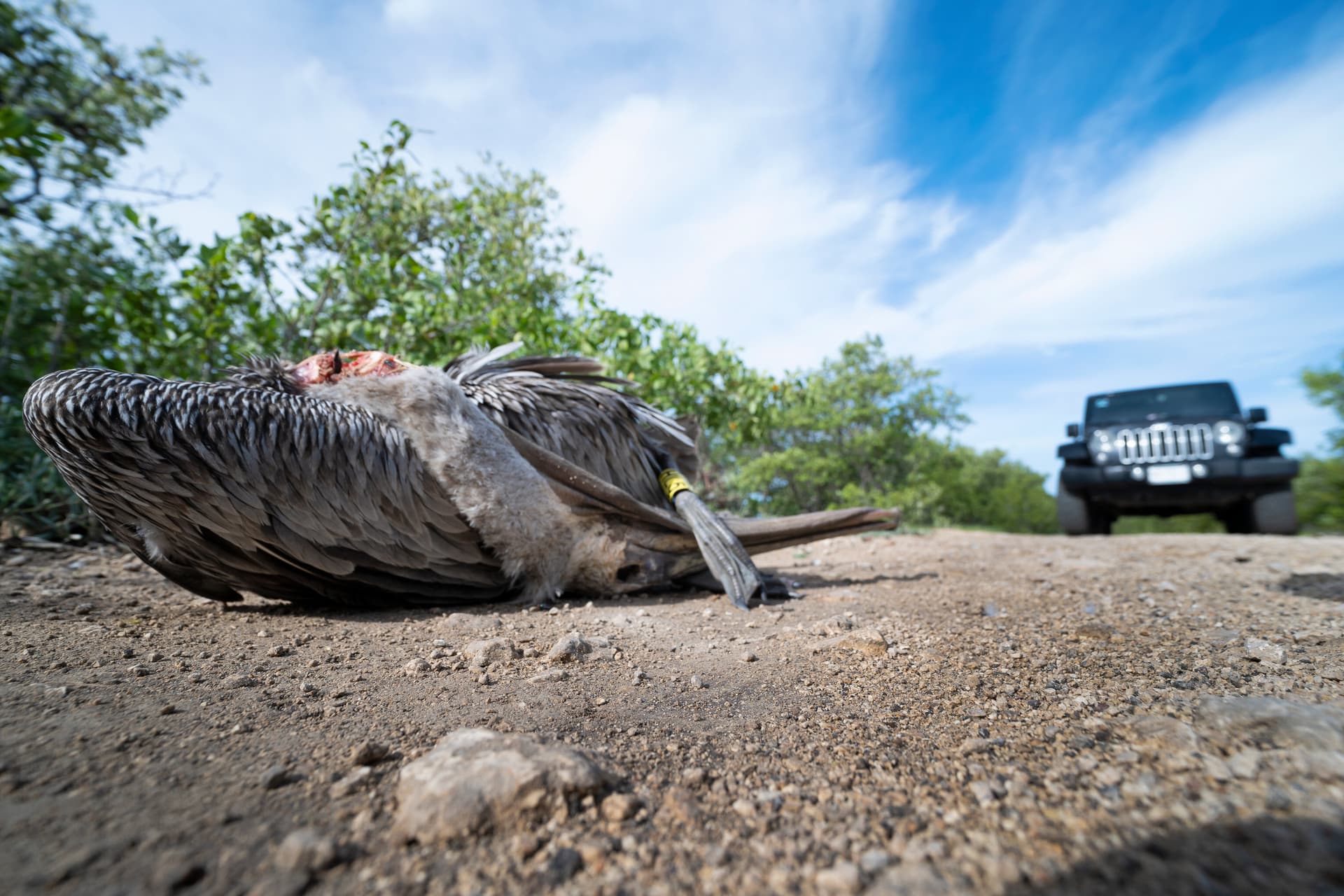
While most of Holbox are undeveloped beaches, mangrove forests, rivers, and estuaries (all filled with wildlife I might add), there’s an obvious pollution problem within the island that is fueled by the island’s hotels and restaurants. You can also find debris that is constantly carried ashore by the ocean’s currents — with some of the plastic waste coming from places like Haiti or Guatemala just to name a few — making its way into these environments and posing a threat to the local biodiversity. Regardless, the island remains one of the last semi-pristine havens for wildlife in the Yucatan Peninsula.
Holbox is home to more than 400 species of birds, 93 species of mammals, and more than 400 species of flora. The Yum Balam Nature Reserve can also be found on the island, covering most of Holbox’s territory. The mangroves, rivers, and beaches covering this area are fantastic. You’ll surely come across crocodiles, birdlife such as tiger herons, and sometimes even the flamingos flying in from the mainland.
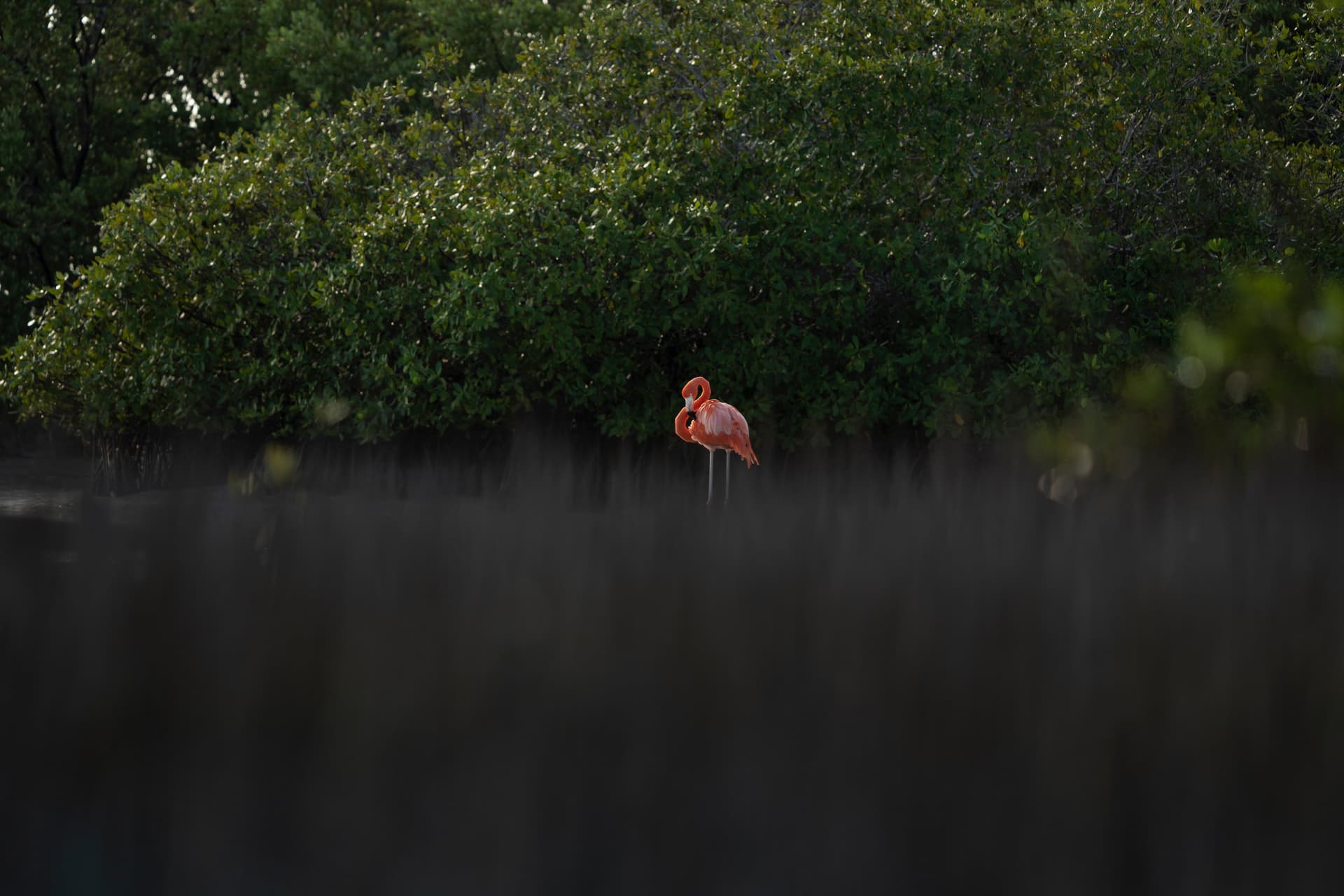
I recently visited Holbox Island and got to witness how peaceful and almost untouched its mangroves and some beaches remain. I was only able to spot three flamingos as they continuously fly to and from the mainland. My naturalist guide was surprised to find even those three birds, as normally they are all hanging out back in the mainland during December and most of the winter months. Yet, once again, he didn’t hesitate to mention that flamingo numbers in Holbox continue to increase as the wetlands in the mainland continue to be razed.
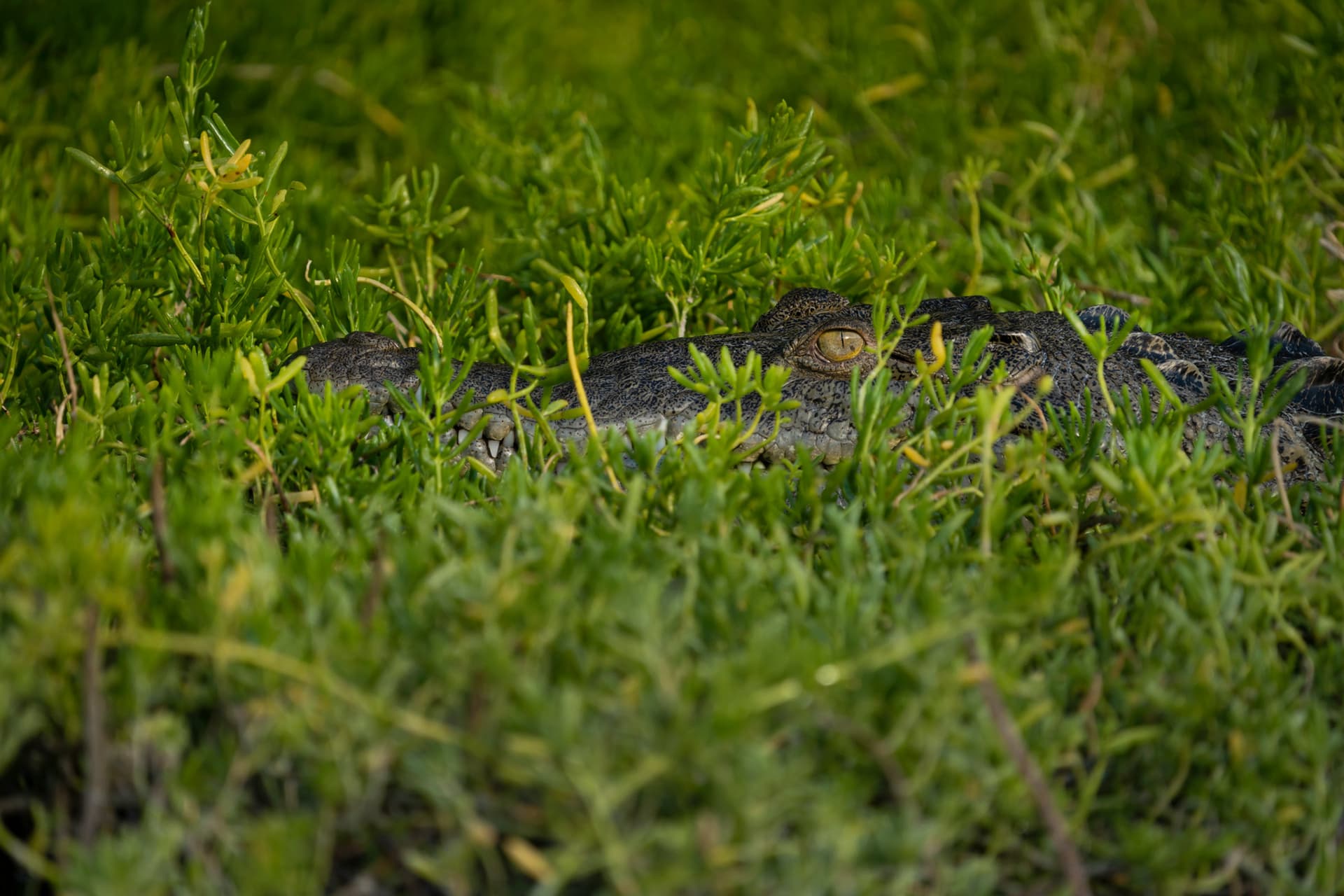
Other birds like the reddish egret (Egretta rufescens) is also a common sight both in Holbox and in the overall peninsula, as is the bare-throated tiger heron (*Tigrisoma mexicanum). *But some of the stars of the show, which are even very popular animals among tourists on the island, are the crocodiles. Many people take to the mangroves and rivers in hopes of spotting these reptiles as they sunbathe or just float around the rivers leisurely.
Actually, during my stay on the island, my guides and I were able to spot a baby crocodile on one of the beaches. They rarely venture outside the mangrove, but what caught my attention is how fascinated people seemed to be with the animal. No one was bothering them and they just admired the little guy from a reasonable distance.
There were even some photographers taking the chance to take a nice portrait of the croc. And I think that’s what makes Holbox different and well on its way to be a much more sustainable destination than its counterparts along the peninsula: its industry is indeed focused on ecotourism ventures rather than nightlife or anything along those lines.
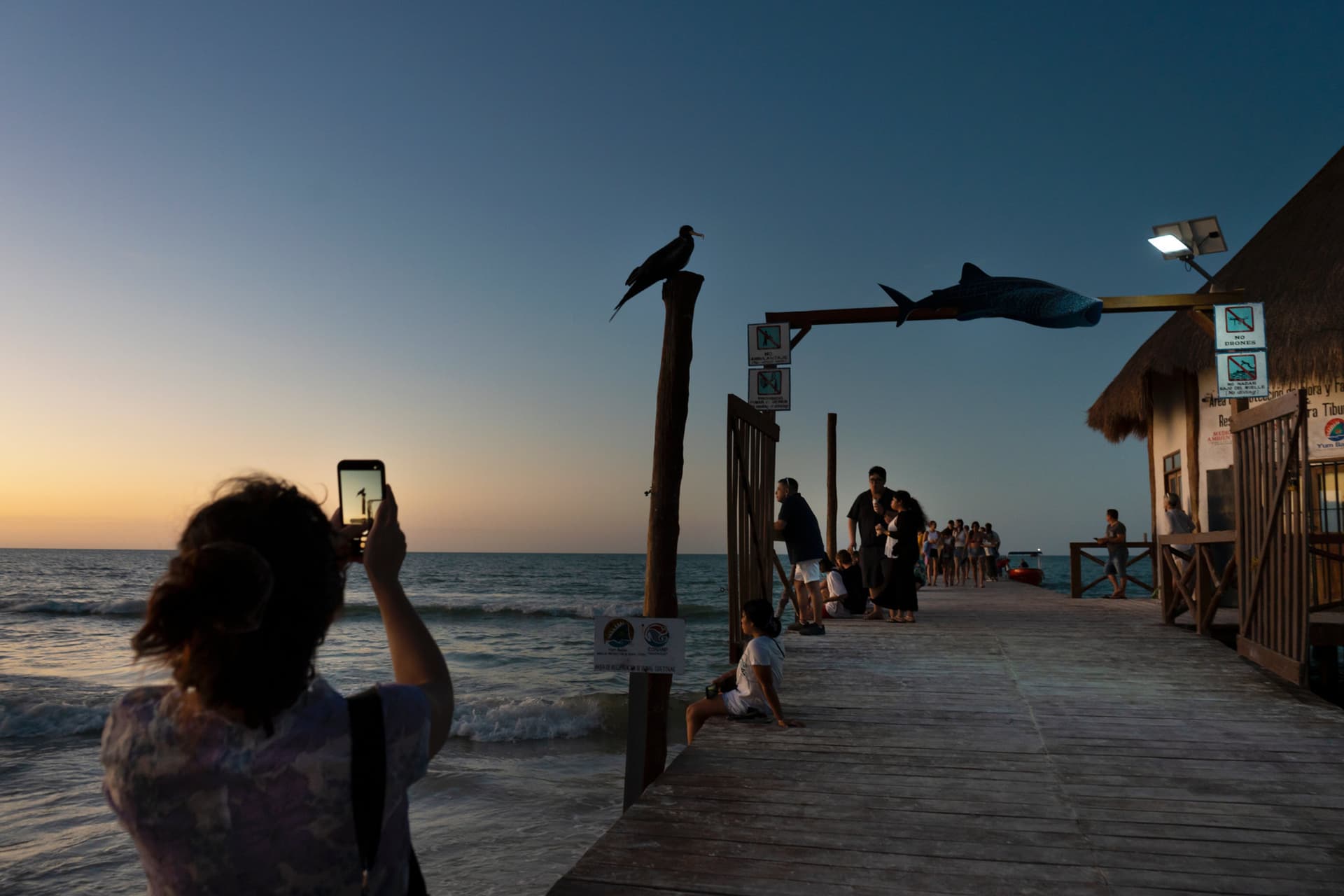
Throughout Holbox you’ll find several options for renting a kayak, boat tours taking you to birdwatching hotspots, horseback riding, scuba diving and snorkeling, and even whale shark watching. This last one though is a bit controversial as it has gotten out of hand in recent years. Also, some of the raccoons venturing into the town in search of food (attracted by the garbage and pollution) are sometimes poisoned.
Community-Led Conservation and the Future of Holbox Wildlife
Due to these issues, a movement is surging in Holbox — surprisingly fueled by sustainable tourism. Several of the tour operators on the island, such as an agency named Azul Tourquesa, organize monthly beach and mangrove cleanups in hopes of collecting plastic waste and other for its correct disposal and management. Other tour operators and birdwatching guides also organize similar activities, and the best part is that both the local authorities and hotels seem eager and willing to engage.
This gives the island and both its human and non-human residents a hopeful future. And as long as the mainland continues to embrace a predatory tourism model, wildlife like the flamingos are sure to turn towards Holbox and its community-based conservation actions. The island also has an animal sanctuary for stray dogs and cats, and they also take in injured wildlife like raccoons. Recently they took to the streets to protest against the unknown residents poisoning the wildlife.
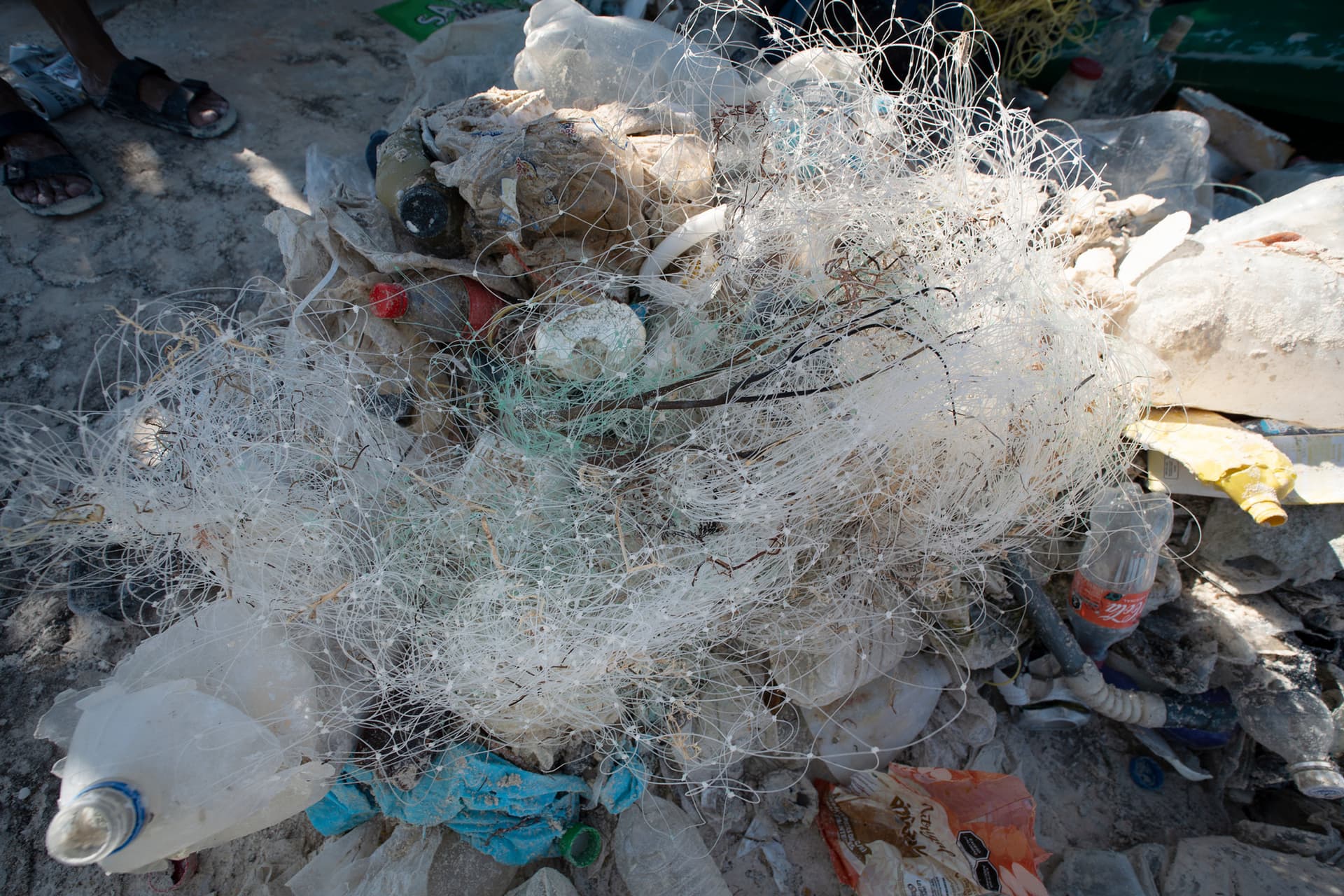
Sometimes we look at some places and think everything is doomed, especially with the constant and ever-growing tourism and urbanization industries resulting in serious pollution issues. But at the very least, sustainable tourism has great hopes when it comes to being a tool for wildlife conservation. And this exactly what the community-based initiatives in Holbox teach us: when we work together to protect nature, even fragile ecosystems can have a chance at a brighter and better future. Every action counts no matter how small or simple it may seem.
Written by
Photographer
Tamara Blazquez HaikTamara Blazquez Haik is a Mexican conservation photographer and storyteller. Through photography and journalism, she raises awareness of environmental issues through a decolonial and ethical lens, while supporting Indigenous and local conservation efforts, land defense, water defense, and nature protection movements in Mexico and beyond. Her work is grounded in the belief that effective, lasting conservation depends on understanding nature, wildlife, and the people who protect them. She uses photography and storytelling to make scientific information accessible, inspire care for the natural world, and encourage action to protect the planet.
Read full profile →Related stories
- Marine
 Playa del Carmen, Mexico
Diving with Bull Sharks in Playa del Carmen: Breaking the Myths and Supporting Conservation
Face to face with one of the ocean's most feared predators — and the divers turning fear into protection on Mexico's Caribbean coast.

Diana & Wynand
Oct 3, 20244 min
- Birds
 Little Rann of Kutch, Gujarat, IndiaNew
A Bed of Roses: Flamingos in the Little Rann of Kutch
Following a lone flamingo into the monsoon wetlands of Gujarat, Jair Luke Sam finds a flock in the Little Rann of Kutch and reflects on the changing water levels, salinity, and human pressures shaping its future.

Jair Luke Sam
Oct 31, 202613 min
- Marine
 Shimoni, Kenya
Entangled in Mangroves
Where root meets tide, the mangrove holds the coast together — nursery, shelter, and frontline against a rising sea.

Neeva Sumaria
Aug 31, 20246 min
- Birds
 Agartala, IndiaNew
The Rarest Bird in Agartala: a Global Story of Birds Disappearing in Plain Sight
In a north-eastern Indian town where old trees fall and ponds are filled overnight, the scarcest species isn't a bird at all. It's the birdwatcher, and noticing may be the simplest conservation there is.

Dhrubajyoti Bhattacharjee
Jun 30, 20267 min
- Conservation
 Lamu, Kenya
Flipflopi Project: Plastic Waste to Recycled Sailboat - Kila Kitu Inawezekana
A dhow built entirely from recycled plastic sails the East African coast, carrying a simple message about the circular economy: everything is possible.
Neeva Sumaria
Mar 26, 20268 min
- Marine
 French Polynesia
Guardians of the Deep: Lessons from Humpback Whales on Conservation and Connection
What the great migrations of humpback whales can teach us about resilience, recovery, and the threads that link distant oceans.

Rachel Moore
Mar 5, 20254 min
- City
 Germany
Hated, Shunned, and Misunderstood: The Story of the City Pigeon
One of the first birds humans ever domesticated now lives at our feet, unloved and overlooked. A second look at the pigeon's remarkable history.

Nephila Wildlife
Aug 15, 20247 min
- Birds
 Dutch countryside, Netherlands
Protecting Barn Owls: Community Involvement in the Netherlands
How a network of volunteers, farmers, and nest-box builders gave the barn owl a foothold again across the Dutch countryside.

Nicolas Clerc
Sep 16, 20244 min