
Marine · Playa del Carmen, Mexico
Diving with Bull Sharks in Playa del Carmen: Breaking the Myths and Supporting Conservation

By Diana & Wynand, Photographers · Oct 3, 2024 · 4 min read
Introduction
We’re Diana and Wynand, two passionate divers who met in Playa del Carmen, Mexico—a place that not only brought us together but also deepened our connection to the ocean. During our time living there, we both earned our divemaster certifications and loved exploring the local reefs. Diana went on to work as an underwater photographer, capturing the beauty and complexity of marine life.
In this article, we share our experiences diving with bull sharks off the coast of Playa del Carmen. Through these encounters, we've gained a deeper understanding of these often misunderstood creatures and their vital role in marine ecosystems. We also highlight how responsible shark diving can contribute to conservation efforts, turning thrilling underwater adventures into a force for protecting these incredible animals.
Diving with Bull Sharks
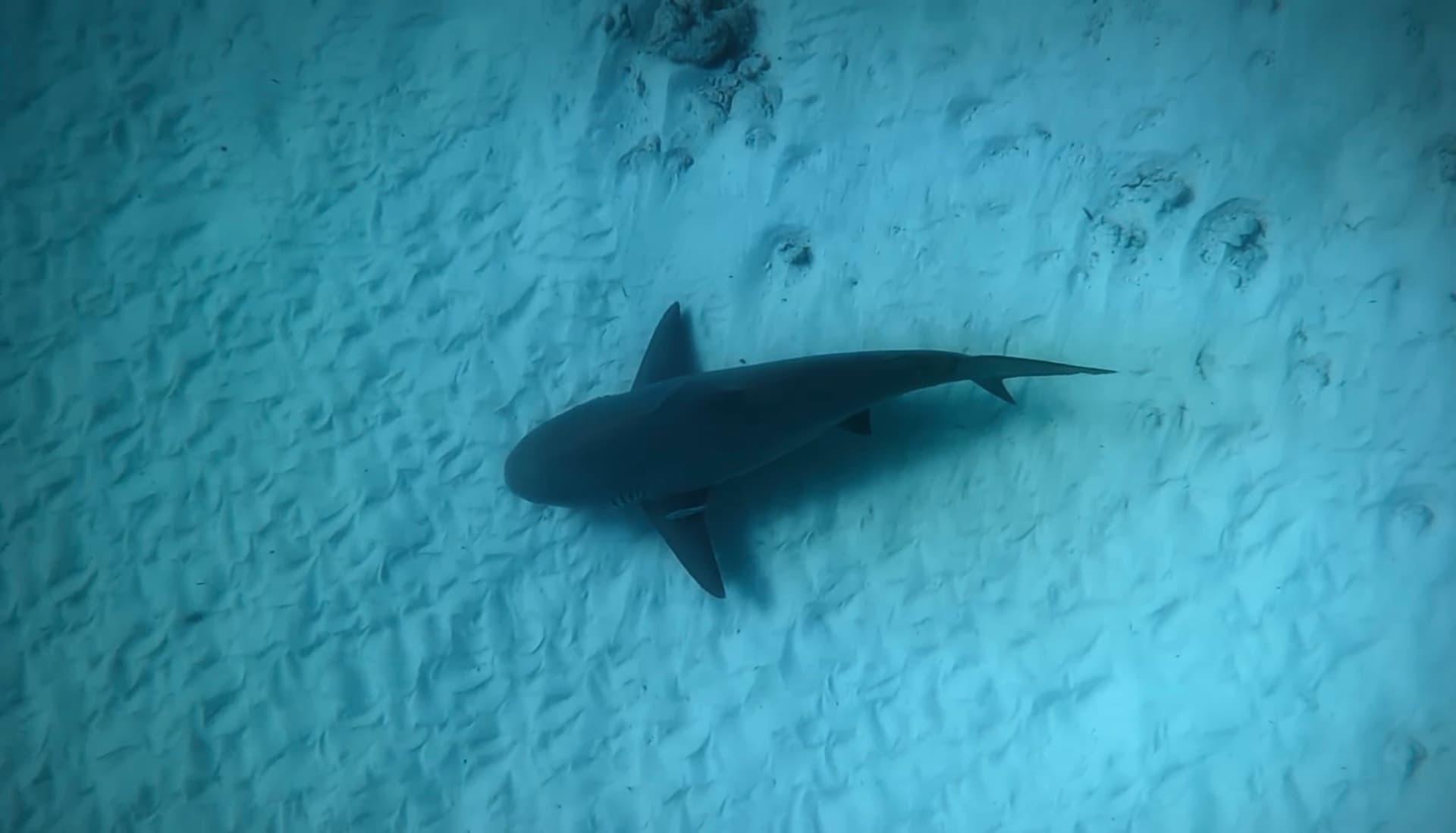
Diving with bull sharks offers the unique privilege of observing these magnificent creatures up close. Each dive allows us to witness their natural behaviors—gliding gracefully through the water, interacting with one another, and even forming curious relationships with other species, like remoras.
One of the greatest aspects of diving with bull sharks is how it challenges common misconceptions. Many people fear sharks, perceiving them as dangerous or unpredictable. But when you dive with them, you learn that they are not aggressive toward humans. Instead, they are curious and cautious, often keeping a safe distance unless provoked. This revelation often changes people's views of sharks, transforming fear into admiration.
Having the opportunity to observe them up close helps us understand their vital role in the marine ecosystem, as they act as top predators that maintain the health and balance of the ocean. We’ve seen many divers leave the water feeling more connected to the ocean and more passionate about shark conservation because of this direct interaction—especially in Playa del Carmen, where bull sharks gather from November to February to give birth.
However, this practice comes with both benefits and potential drawbacks. One advantage is the increased awareness and appreciation for bull sharks, as divers witness their natural behaviors in a non-aggressive environment. This type of eco-tourism encourages conservation and generates revenue for local communities, helping to shift the economic incentive away from shark fishing.
Additionally, researchers have used these dives to collect important data, such as ultrasound scans of pregnant sharks, without causing undue stress to the animals.
Bull Shark Gestation Season
During this time, pregnant females migrate to shallow, warm waters in the area of Sian Ka'an, to give birth. These coastal areas, especially mangrove estuaries, serve as crucial nursery habitats for their young. Protecting these habitats is essential for the continued reproduction and survival of bull sharks in the region, as they provide shelter from predators and abundant food sources for shark pups.
Feeding areas also play a significant role in the sharks' life cycle. It has been theorized that female bull sharks return to the same areas where they were born to give birth themselves, demonstrating strong site fidelity. Therefore, maintaining and protecting these feeding and birthing areas is vital for the sustainability of the bull shark population.
Conservation efforts, including shark-diving tourism, have gained prominence in Playa del Carmen. The controlled nature of shark diving helps raise awareness about the species and funds research initiatives aimed at better understanding their behaviors and protecting their habitats.
How Do We Dive with Sharks?
These encounters are not only exhilarating but also deeply educational, offering divers insight into the importance of conserving bull sharks and their habitats. Diving with bull sharks in Playa del Carmen is a truly transformative experience. Instructors provide detailed briefings about shark behavior, anatomy, and their role in marine ecosystems.
For many, sharks represent fear and danger, often due to exaggerated media portrayals, but witnessing them in their natural environment reveals a completely different reality. The controlled nature of these dives allows for a safe environment for both the sharks and the divers. Strict guidelines, such as staying anchored to the sea floor, maintaining small group sizes, and avoiding bright-colored equipment, ensure that the sharks' natural behaviors are not disturbed while also keeping divers out of harm’s way.
When you’re submerged alongside these powerful animals, you quickly realize that they’re not the mindless predators they are often made out to be. Instead, they are calm, graceful, and surprisingly uninterested in humans as prey. This shift in perspective is one of the key reasons we believe everyone should experience diving with bull sharks.
This knowledge, combined with the direct interaction, helps demystify sharks and emphasize their importance in maintaining a balanced oceanic food web.
Conclusion
While many fear sharks, diving with bull sharks offers an opportunity to transform this fear into admiration. It allows divers to witness the true nature of these creatures while also contributing to their conservation. This not only creates more informed individuals but also helps shift public perception, encouraging greater support for protecting shark populations.
References
- Bull Shark ConservationWebsite: https://www.floridamuseum.ufl.edu/fish/discover/species-profiles/carcharhinus-leucas/
- The Truth About Scuba Diving with Bull SharksWhere Angie WandersWebsite: https://whereangiewanders.com/how-to-dive-with-bull-sharks-in-playa-del-carmen-mexico/
- Bull Shark Research and ConservationSaving Our SharksWebsite: https://www.savingoursharks.org
Written by
Photographers
Diana & WynandDiana and Wynand are a Mexican-Dutch photography duo with a deep love for nature, wildlife, and marine life. They met in Playa del Carmen, Mexico, where Diana was completing her divemaster internship, and both later earned divemaster certifications. Diana went on to work as an underwater photographer, capturing marine life in detail. Together, they travel, connect with nature, and tell stories that highlight the importance of protecting wildlife, oceans, and wild places.
Read full profile →Related stories
- Birds
 Agartala, IndiaNew
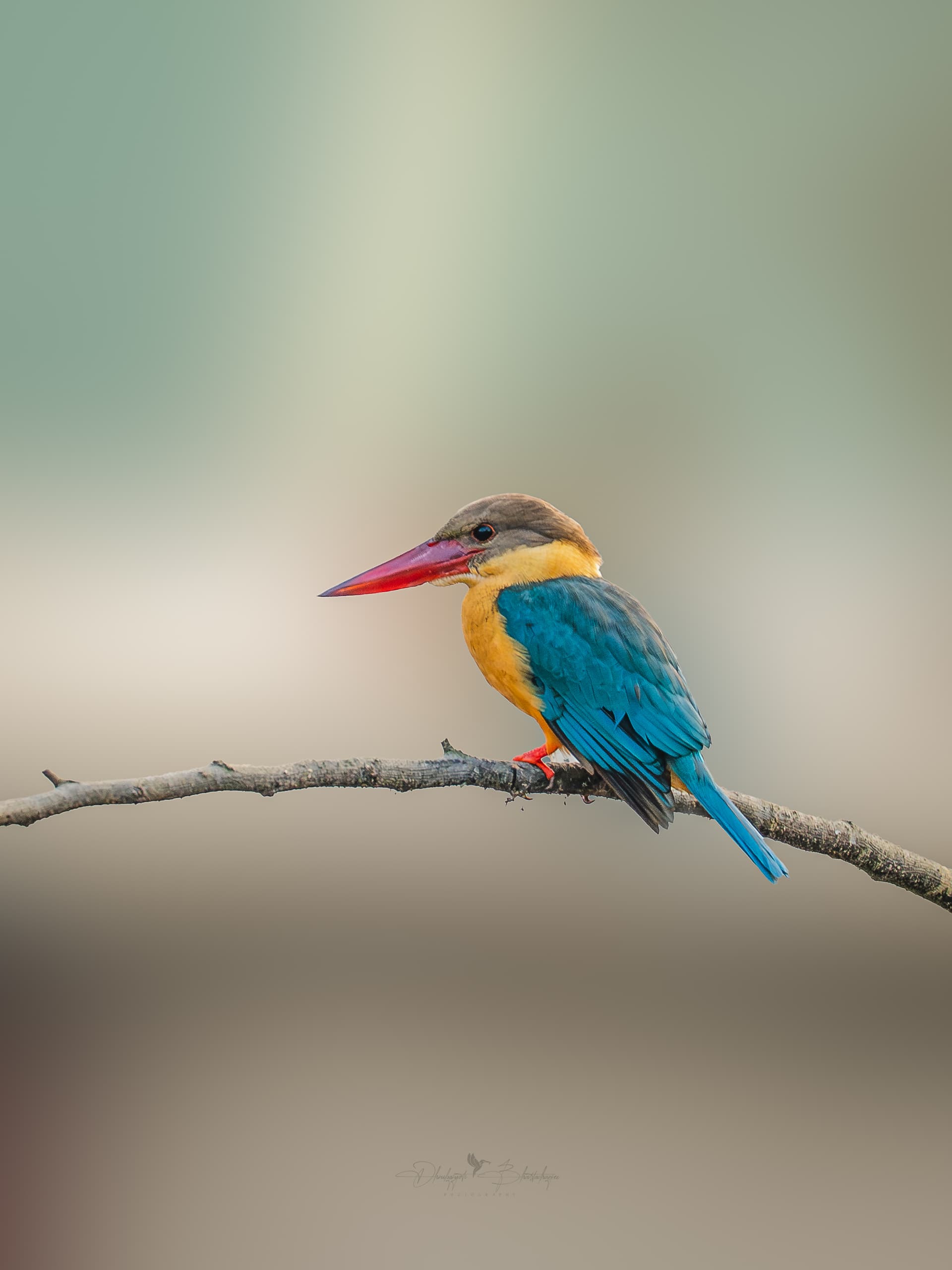
The Rarest Bird in Agartala: a Global Story of Birds Disappearing in Plain Sight
In a north-eastern Indian town where old trees fall and ponds are filled overnight, the scarcest species isn't a bird at all. It's the birdwatcher, and noticing may be the simplest conservation there is.

Dhrubajyoti Bhattacharjee
Jun 30, 20267 min
- Wildlife
 Holbox Island, Mexico
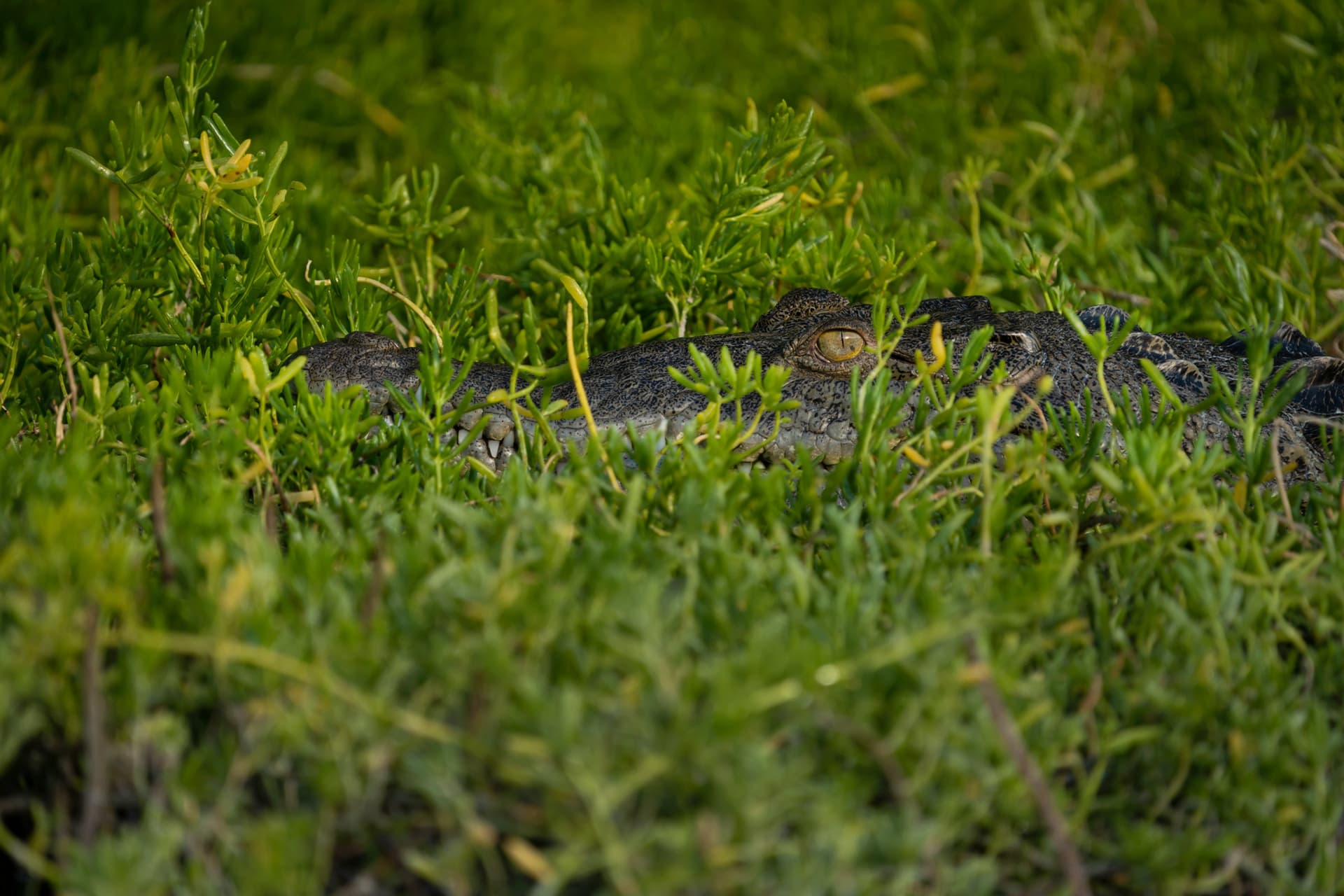
Holbox Wildlife: How Urbanization Is Reshaping Mexico's Yucatán Peninsula
On a sandbar island where flamingos still wade the shallows, rapid development is rewriting the rules of coexistence between people and the wild.

Tamara Blazquez Haik
Feb 17, 20266 min
- Wildlife
 Svalbard, Norway
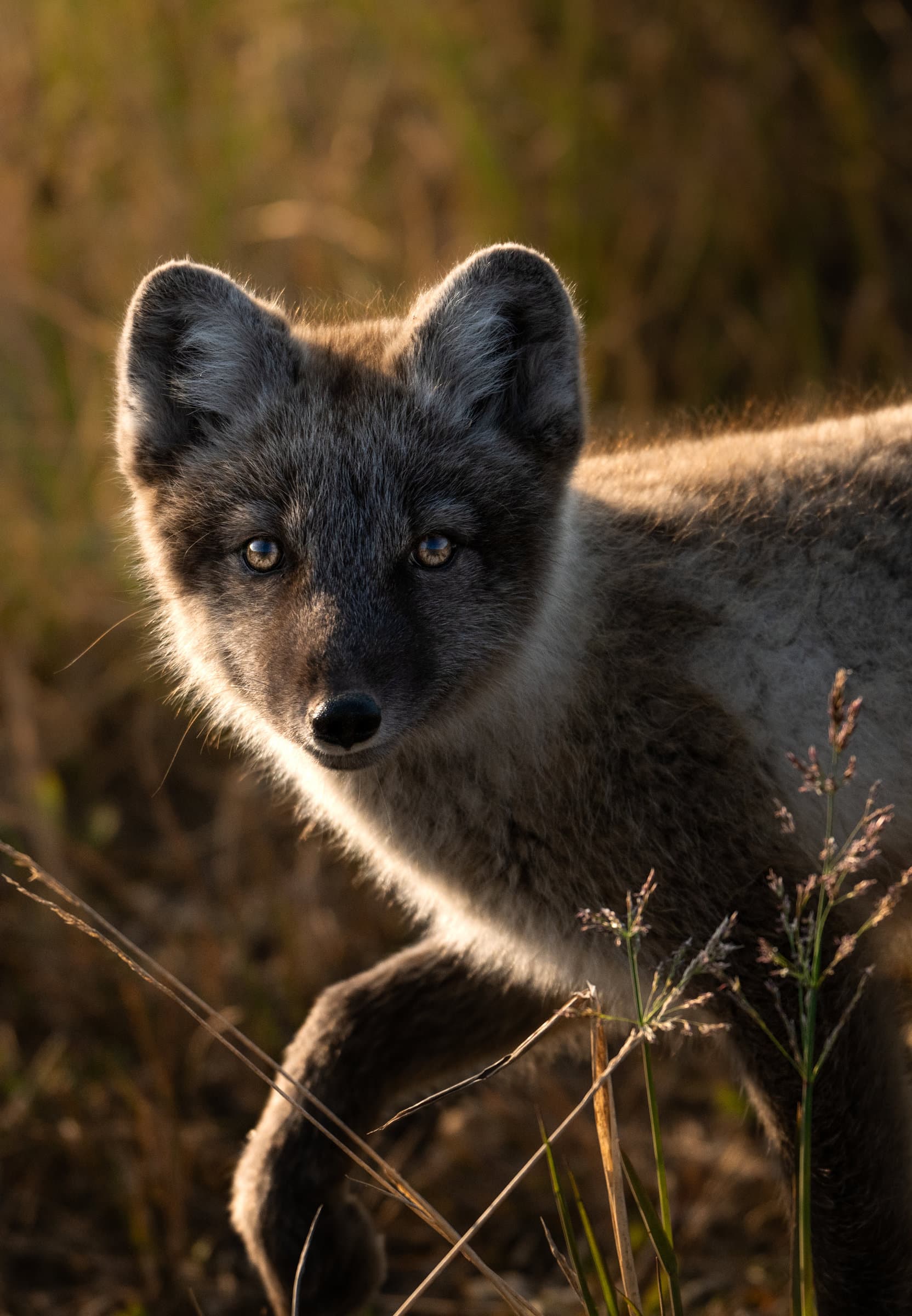
Climate Change and the Arctic Fox: The Red Fox Invasion
As the Arctic warms, the red fox is pushing north into territory the arctic fox has held for millennia — a quiet contest with the climate as referee.

Jacob Buck
Aug 15, 20244 min
- Marine
 French Polynesia
Guardians of the Deep: Lessons from Humpback Whales on Conservation and Connection
What the great migrations of humpback whales can teach us about resilience, recovery, and the threads that link distant oceans.

Rachel Moore
Mar 5, 20254 min
- Fungi
 Zurich, Switzerland
The Secret Kingdom of Fungi Beneath the Soil
Beneath every forest floor runs a living network of fungi — the quiet architecture that feeds the trees and holds the ground together.

Gulce Tekin
Aug 22, 20246 min
- Wildlife
 Etosha & the Namib, Namibia
The Enchantment of African Wildlife: A Photographer's Heaven
From dawn light on the savanna to the hush before a sighting, a photographer's love letter to the continent that first taught them to look.

Amber
Nov 6, 20245 min
- Macro
 Basque Country, Spain
Our Tiny Companions: The Wonderful World of Microscopic Organisms
The unseen multitudes in a drop of pond water do the quiet work that keeps every ecosystem standing.

Iker Duro Linares
Nov 11, 20255 min
- Birds
 Dutch countryside, Netherlands
Protecting Barn Owls: Community Involvement in the Netherlands
How a network of volunteers, farmers, and nest-box builders gave the barn owl a foothold again across the Dutch countryside.

Nicolas Clerc
Sep 16, 20244 min