
People · Serengeti National Park, Tanzania
Holding the Door Open
Sophie Darlington, ASC traces the unlikely route that took her from Ireland to Tanzania, from a Serengeti camp to landmark wildlife films, and from being one of very few women behind the camera to holding the door open for others.
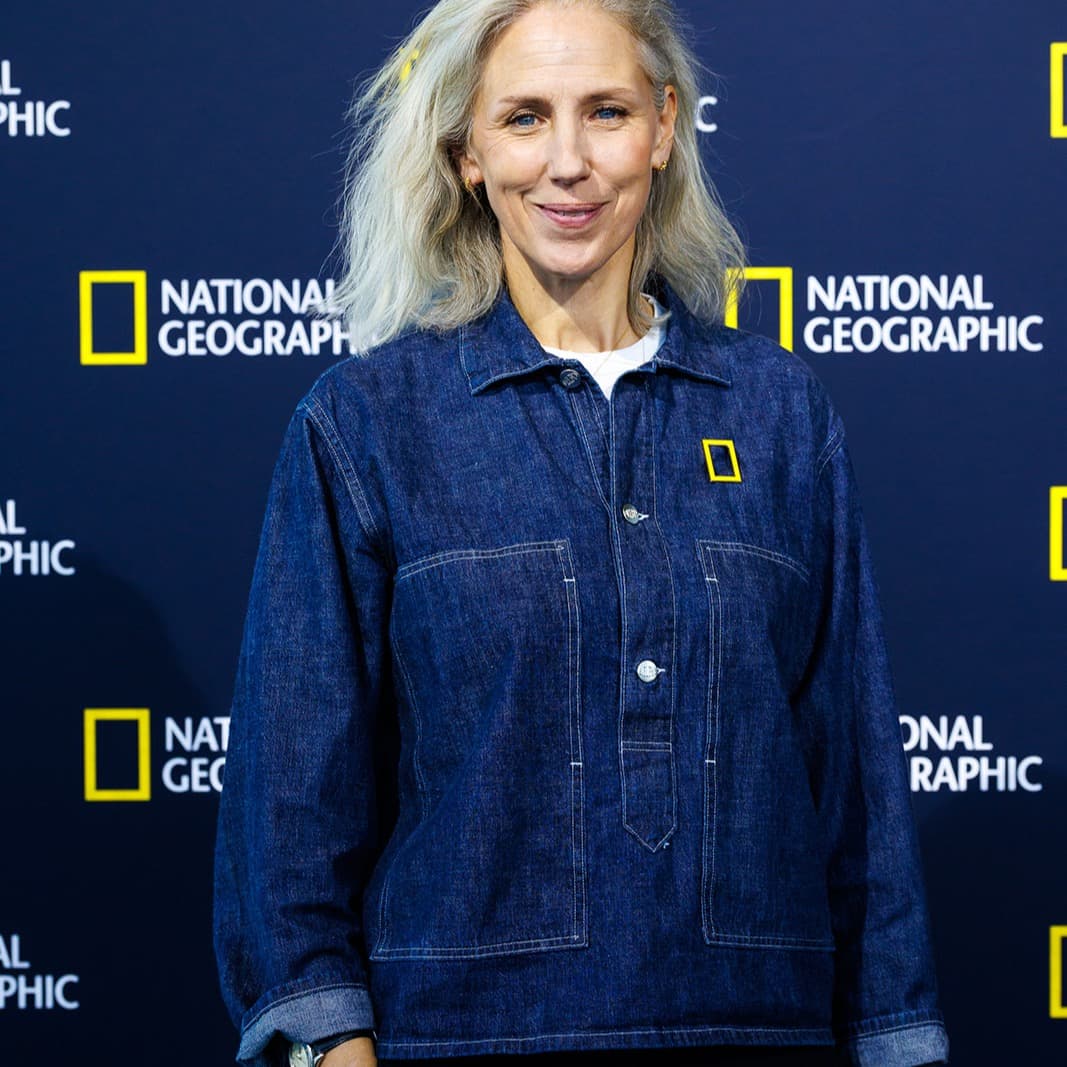
By Sophie Darlington, ASC Wildlife Cinematographer · Jul 23, 2026 · 5 min read
A Way Into the Wild
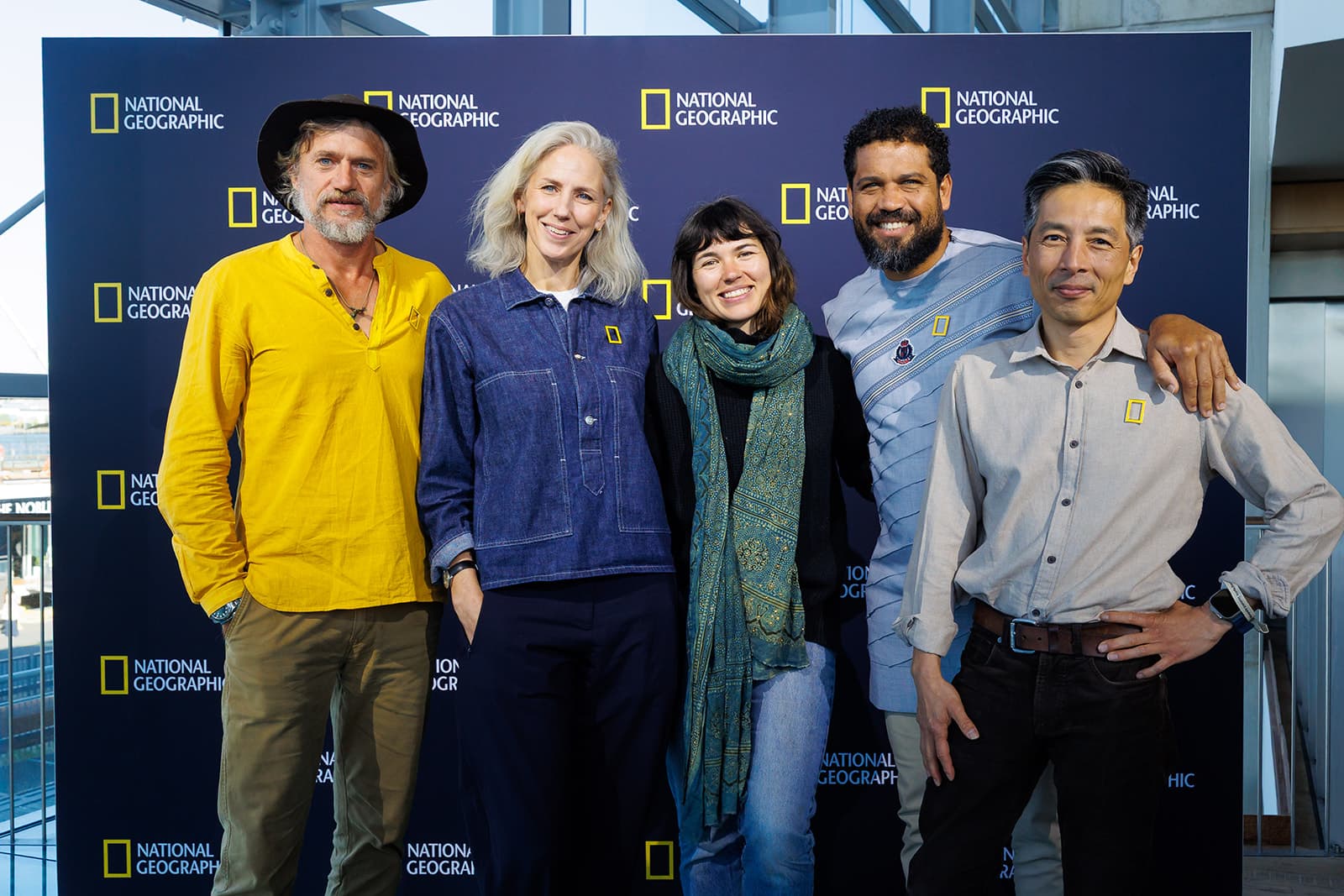
Wildlife filmmaking didn't come to me through a film school, a camera assistant scheme, or anyone's careful plan. I left Ireland at nineteen and went to Tanzania because of a tree - a beautiful, massive fig tree that conjured up imaginings of a totally different space and light. I scraped and saved and made any tentative contact I could, and finally got to see that fig, 'The Tree Where Man Was Born'. And whilst I was there, a BBC natural history film crew passed through the lodge I was staying in, and - bingo - there it was: I wanted to be a wildlife filmmaker, to somehow bottle that light and, like this crew, turn it into a story.
I could, and probably should, have gone to film school as they suggested, but formal study and I have never really got along - apprenticing has always been the way I learn, watching someone put their camera in the right spot to make an image leap out from the TV. What I had instead was a stubbornness to try something uncomfortable just to see how it fit, and the good fortune to land somewhere the work was actually being done.
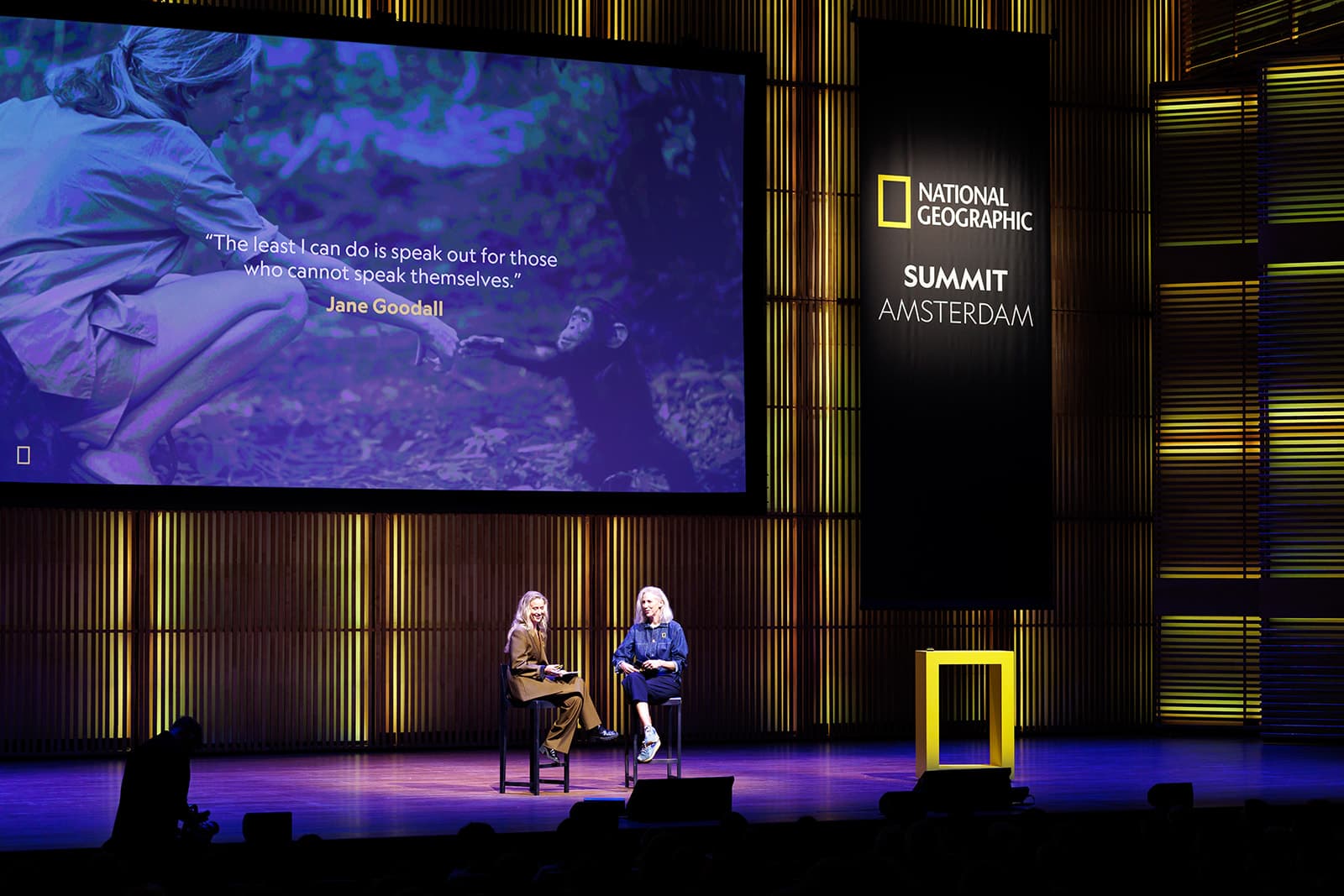
The way in, when it came, did not look like a job in filmmaking at all. I started as a camp manager for Hugo van Lawick, learning the rhythm of life on the Serengeti - as well as how to order carrots over a crackly radio signal - before I ever held a film camera. Hugo had spent decades filming alongside Jane Goodall, and the generosity of that camp, his camp, and the talented camera people around him became my film school. I spent years under those skies learning the craft by watching, carrying, failing, and slowly being trusted with more. That is not the route anyone would design. It is the route that was open to me, and I ran at it.
I got lucky: in a land where very few women were filming solo - fewer than I could count on one hand - Hugo was my champion. Doors opened because individual people chose to open them, and because I kept showing up, I got to walk through. Talent matters, but access matters just as much, and access is something others grant or withhold.
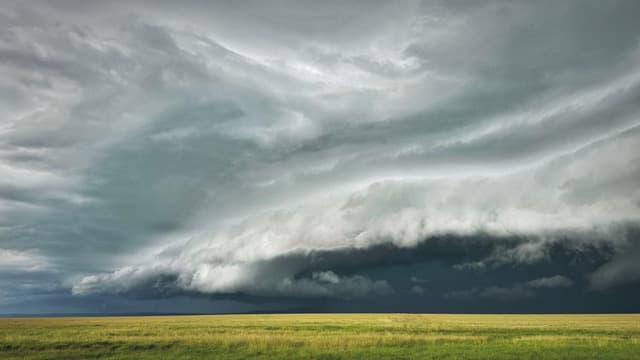
Filming in a wilderness like the Serengeti, you wake each day and let nature write the script. I was keyed into that; we all were in that camp - witnessing a cheetah brother and sister, only recently parted from their mother, learning how to hunt, the sister much better than the male: she'd paid attention. But they managed as a team, and then learned how to be alone... the male keened for his sister for days, but survived. The extraordinary moment as the first wildebeest arrived over a horizon, only to be followed by thousands, hundreds of thousands; the colour of the sky as a storm kicked in - a deep iron - and the gold of the grasses more saffron and vivid than anything has a right to be, the migration making a perfect black line erratically carving through it. Those moments stay with you.
Learning by Looking
Without a formal education to fall back on, mentorship was not just a pleasant extra - it was the whole foundation. I learned how to convey emotion in a non-speaking cast from watching people who had mastered it; Owen Newman's films taught me that the job was never just to show an animal but to make an audience feel something for it. Beauty and emotion, I believe, are not decoration. They are how you make a viewer care - and people protect what they have learned to love. That is what the storytelling is for. Everything I know about pointing a camera at a wild creature, I owe to people who took the time to teach me when they had no obligation to.
Who Holds the Camera
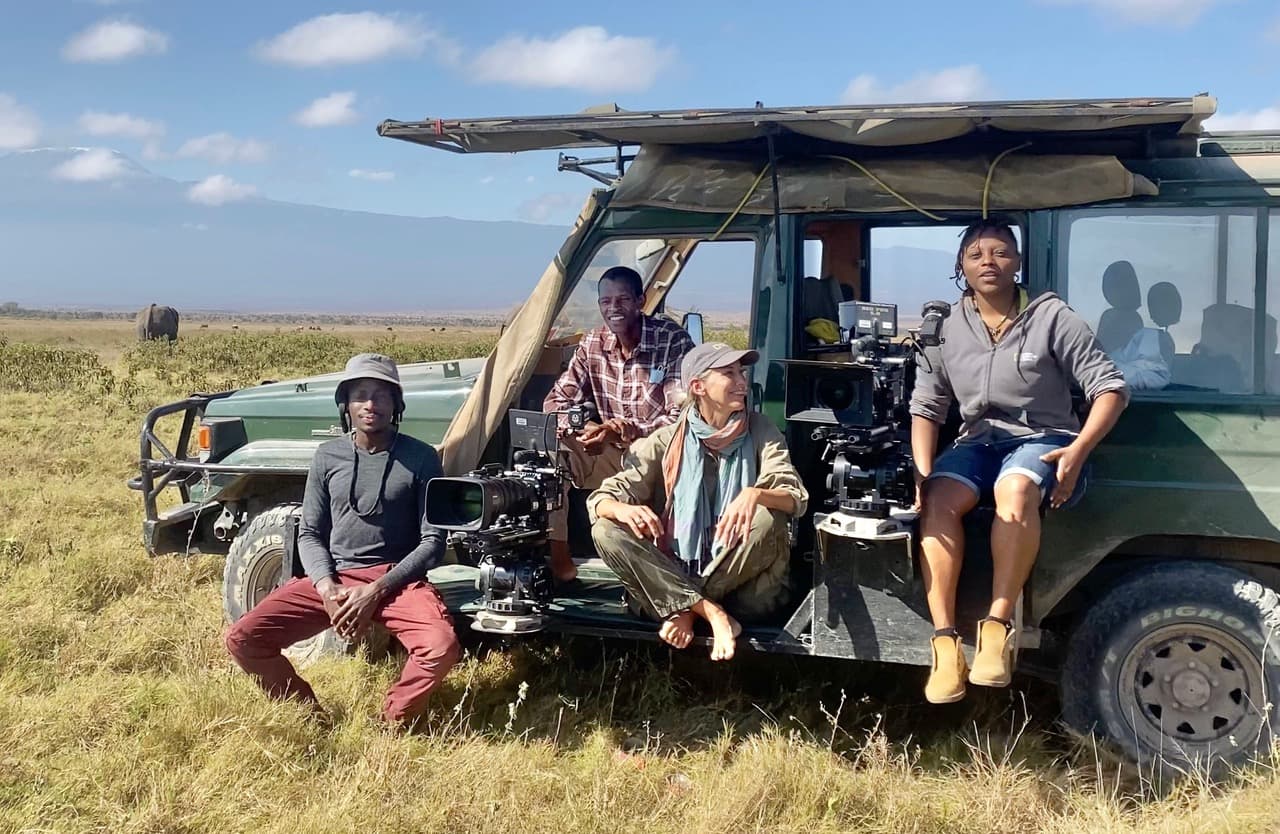
Decades on, Queens gave me the chance to be on the other side of that exchange. It was the first major wildlife series steered by a women-led team, telling stories of female leadership in the natural world - matriarch elephants, lionesses, hyena, Ethiopian wolves, the quiet authority of animals we had too often overlooked. Leading photography alongside fellow DoP Justine Evans mattered, but what mattered more was bringing on younger female filmmakers and handing them real responsibility, not token shots. My first shoot on the series was during lockdown - I'd met Field Producer Faith Musembi on Zoom and knew specialist film driver Sammy Munene very well, but had never met cinematographer Manu Akasta before - and we piled into the vehicle to meet some of the elephant families Faith had researched. The dawning that I was the only member of the crew not from Kenya was quite a moment. Faith said something that has stayed with me ever since: "Representation doesn't just matter, it is everything."
People sometimes ask what women specifically bring to filming wildlife, and I am wary of tidy answers, because the danger is implying there is one female way to see. What I will say is this: who holds the camera shapes which stories get told, and how. For a long time the genre was filmed by a narrow group of people, and inevitably it reflected a narrow set of instincts about what was worth pointing at. Widen the range of people behind the lens and you widen the range of behaviour, emotion, and lives that make it onto the screen. Queens did not invent female animal leadership - it simply pointed the camera at it, because a different set of eyes thought to.
My advice rarely changes. Start with respect - the animals owe you nothing, and the work is better when you remember you're a guest in their world. The caring has to be real, too; animals and audiences can both tell when it isn't. Lean on other people - I love the ones in this field, and we've carried each other through hard shoots and made better films for it. Then just shoot. Anything, constantly, badly at first. Working out what you actually want to say with a camera takes years, and nobody's route in is tidy. Mine least of all.
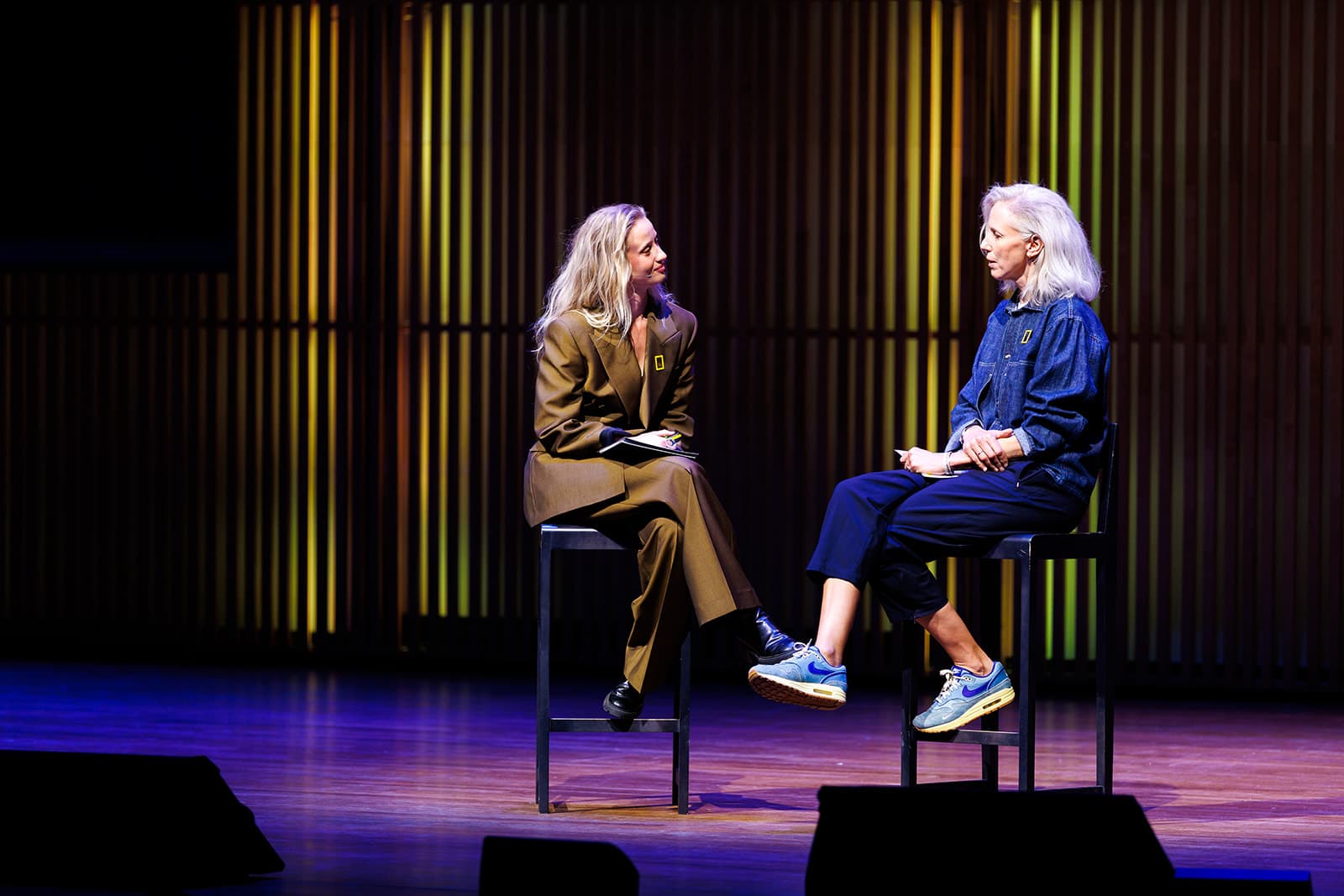
Being invited into the American Society of Cinematographers and the Academy, as the first dedicated wildlife cinematographer, put me in rooms I'd had no way into. The only thing worth doing with that is bringing others in - which is why I give time to mentoring and to collectives like Illuminatrix, so the next person with no obvious way in has somewhere to land.
The legacy I care about is not a list of credits. It's whether, thirty years from now, a nineteen-year-old with no map and no formal training can find their own way in - their own camp, whatever shape it takes - and whether the wild will still have enough left in it to be worth filming when they get there.
Written by
ASC Wildlife Cinematographer
Sophie DarlingtonSophie Darlington, ASC is a BAFTA-winning wildlife cinematographer and filmmaker who left Ireland at age nineteen and moved to Tanzania to chase a dream of wildlife filmmaking. She was one of a handful of female filmmakers working in the wild, and learned the craft in the Serengeti under Hugo van Lawick. Her work is known for emotional behavioural storytelling, light, and deep field knowledge. Sophie was one of the series directors of photography on National Geographic's Queens, joined the American Society of Cinematographers in 2025 as the first dedicated wildlife cinematographer, and is actively involved in mentoring, public speaking, and increasing diversity in wildlife filmmaking.
Read full profile →Related stories
- People
 Nairobi, Kenya
Through My Lens: Reclaiming the Wild Stories of My Homeland
A Kenyan photographer turns the camera on her own country, reclaiming who gets to tell its wildlife stories.

Imara Njeri
Oct 17, 20255 min
- People
 Zuid-Kennemerland, Netherlands
The Untold Story Behind Untold Wildlife: A Journey of Healing
The personal story behind Untold Wildlife, from struggle and reinvention to a collective shaped by the stories of people, animals, and places.

Deniz Dalkilic
Jul 30, 20245 min
- People
 Greater Kruger, South Africa
The Art of Noticing: A Cornerstone of Wildlife Filmmaking
Before the footage comes the patience. On the discipline of attention that underpins every wildlife film.

Jura Bakx
Dec 26, 20244 min
- Birds
 Agartala, IndiaNew
The Rarest Bird in Agartala: a Global Story of Birds Disappearing in Plain Sight
In a north-eastern Indian town where old trees fall and ponds are filled overnight, the scarcest species isn't a bird at all. It's the birdwatcher, and noticing may be the simplest conservation there is.

Dhrubajyoti Bhattacharjee
Jun 30, 20267 min
- Conservation
 Maasai Mara, Kenya
Learning to See Connection: What Long-Term Photography Reveals About Conservation
Returning to the same landscapes year after year, a photographer learns that the real story is rarely the dramatic moment — it is the slow relationship between land, wildlife, and the people who tend it.

Georgina Goodwin
Apr 15, 20264 min
- Conservation
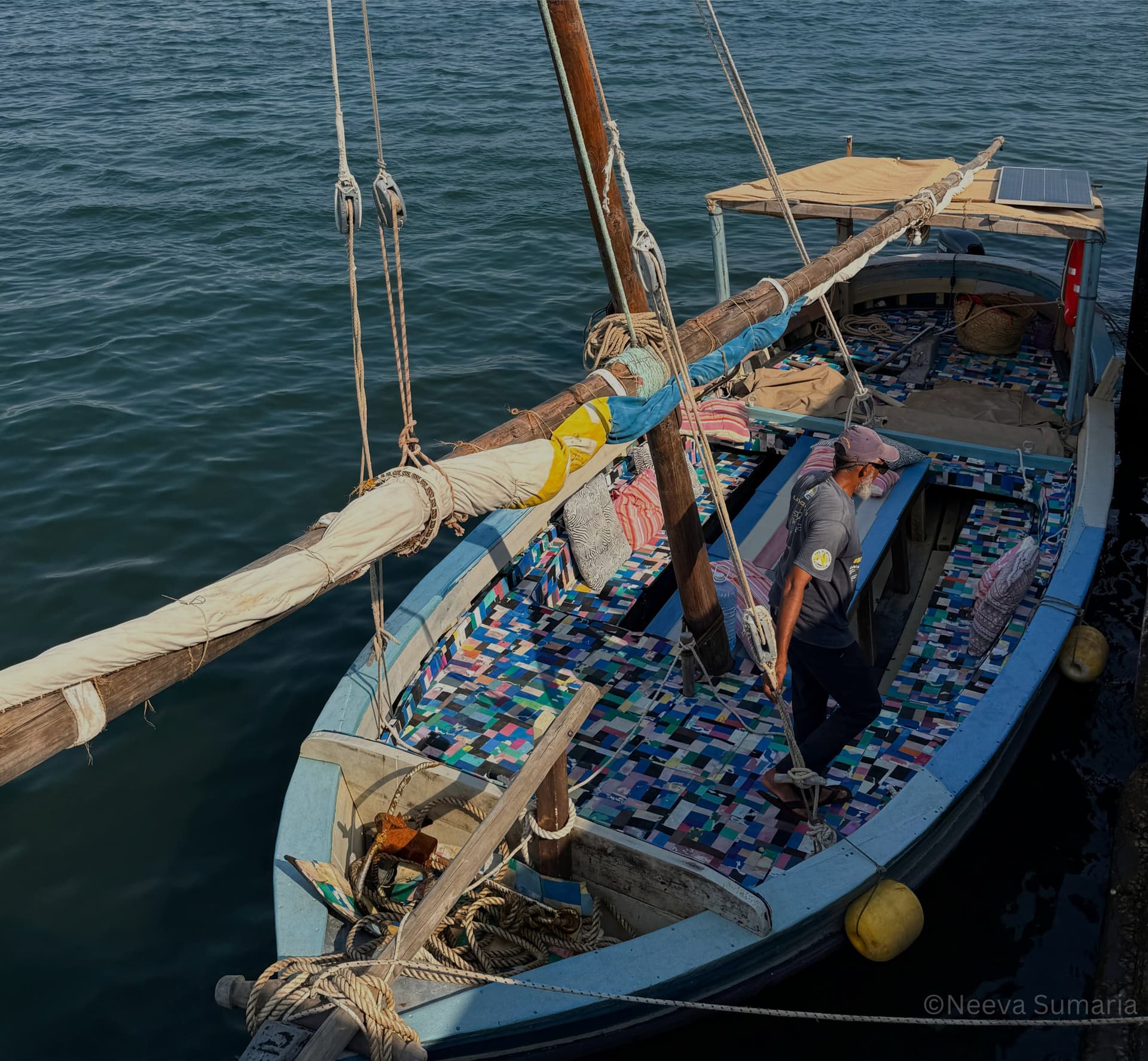 Lamu, Kenya
Flipflopi Project: Plastic Waste to Recycled Sailboat - Kila Kitu Inawezekana
A dhow built entirely from recycled plastic sails the East African coast, carrying a simple message about the circular economy: everything is possible.

Neeva Sumaria
Mar 26, 20268 min
- Wildlife
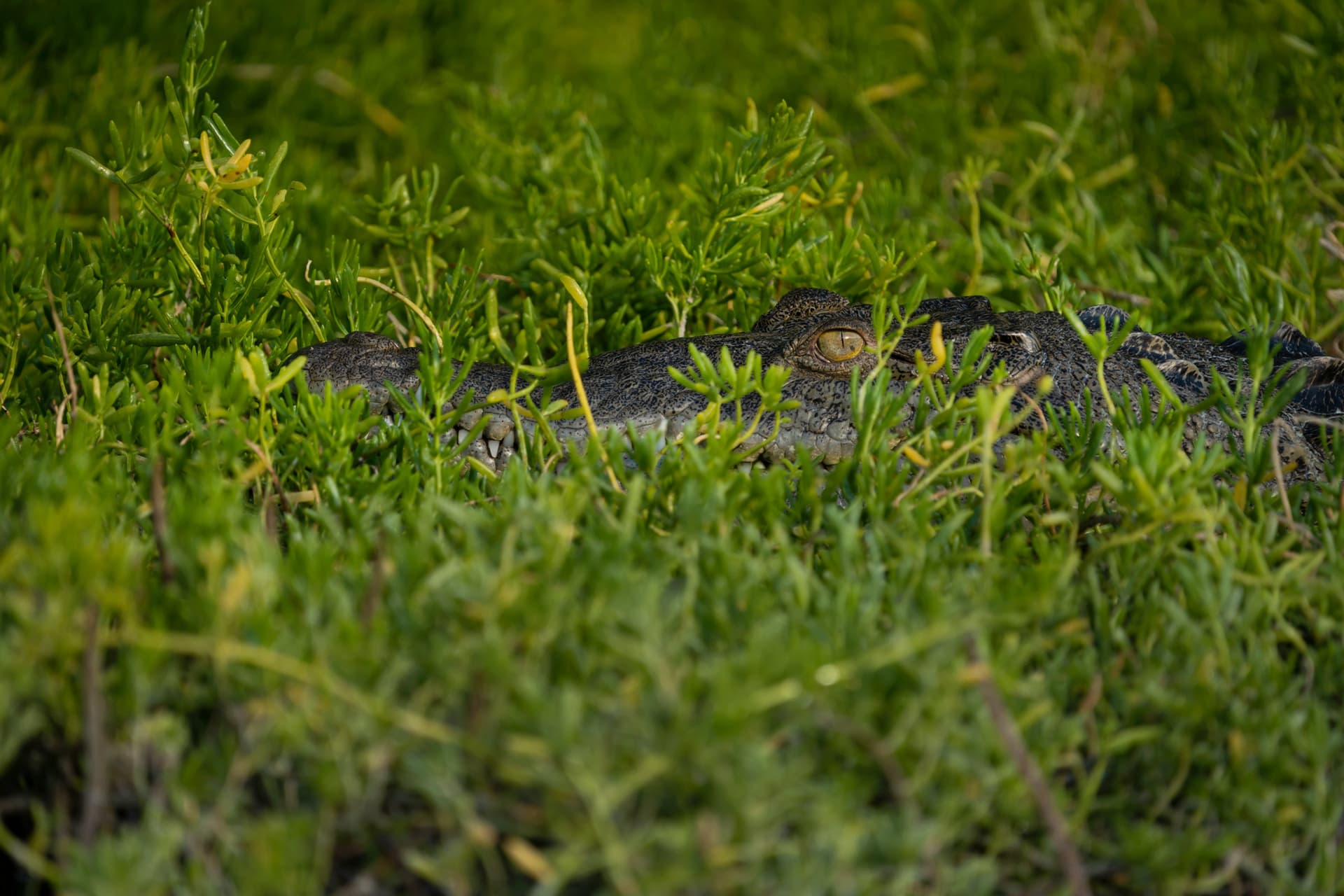 Holbox Island, Mexico
Holbox Wildlife: How Urbanization Is Reshaping Mexico's Yucatán Peninsula
On a sandbar island where flamingos still wade the shallows, rapid development is rewriting the rules of coexistence between people and the wild.

Tamara Blazquez Haik
Feb 17, 20266 min
- Wildlife
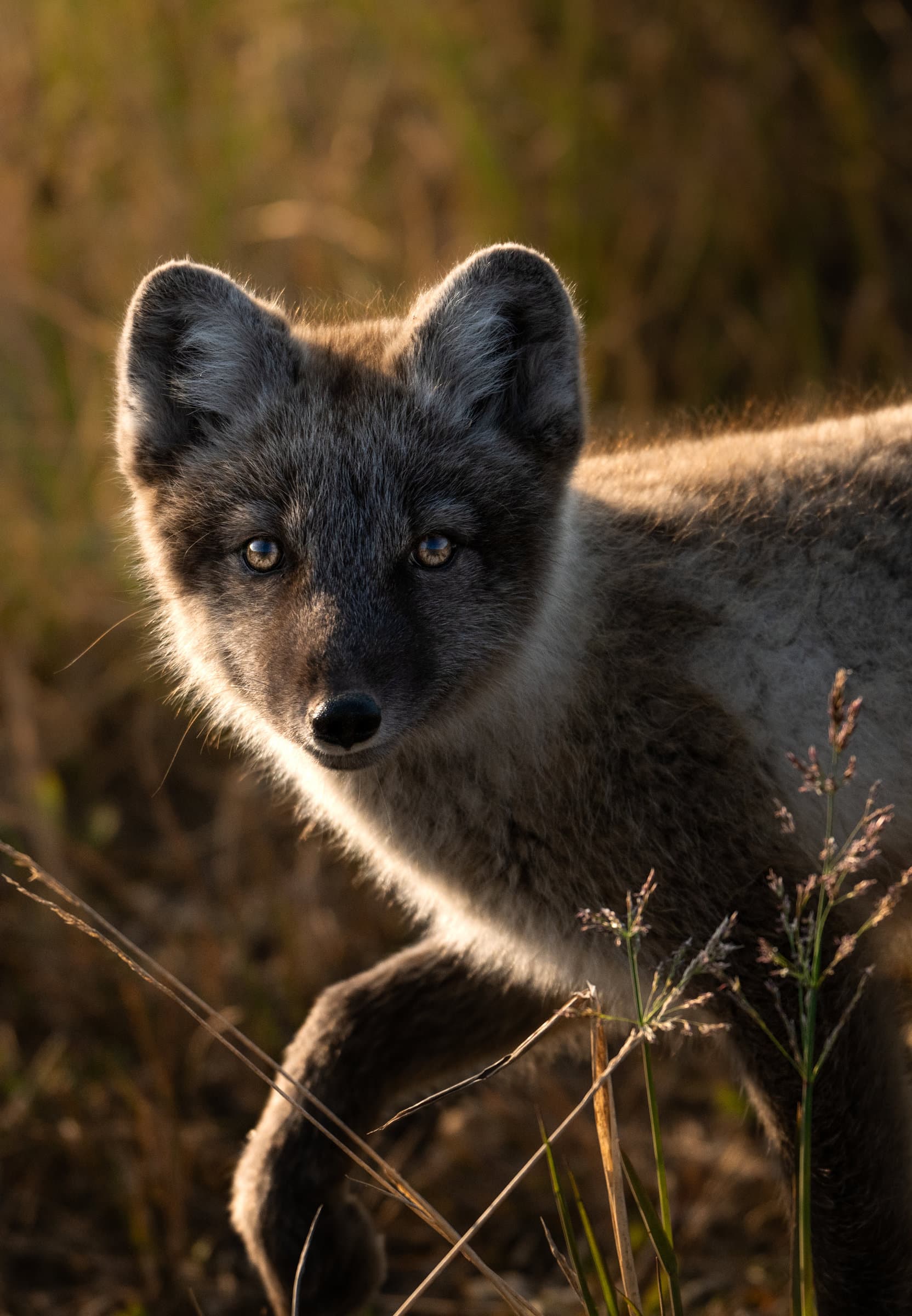 Svalbard, Norway
Climate Change and the Arctic Fox: The Red Fox Invasion
As the Arctic warms, the red fox is pushing north into territory the arctic fox has held for millennia — a quiet contest with the climate as referee.

Jacob Buck
Aug 15, 20244 min