
Conservation · Maasai Mara, Kenya
Learning to See Connection: What Long-Term Photography Reveals About Conservation
Returning to the same landscapes for years reveals the story conservation actually turns on — not the dramatic sighting, but the slow relationship between land, wildlife, and the people who tend it.
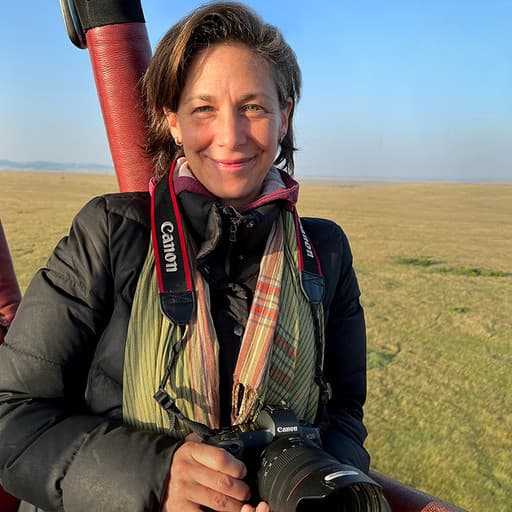
By Georgina Goodwin, Photographer · Apr 15, 2026 · 4 min read
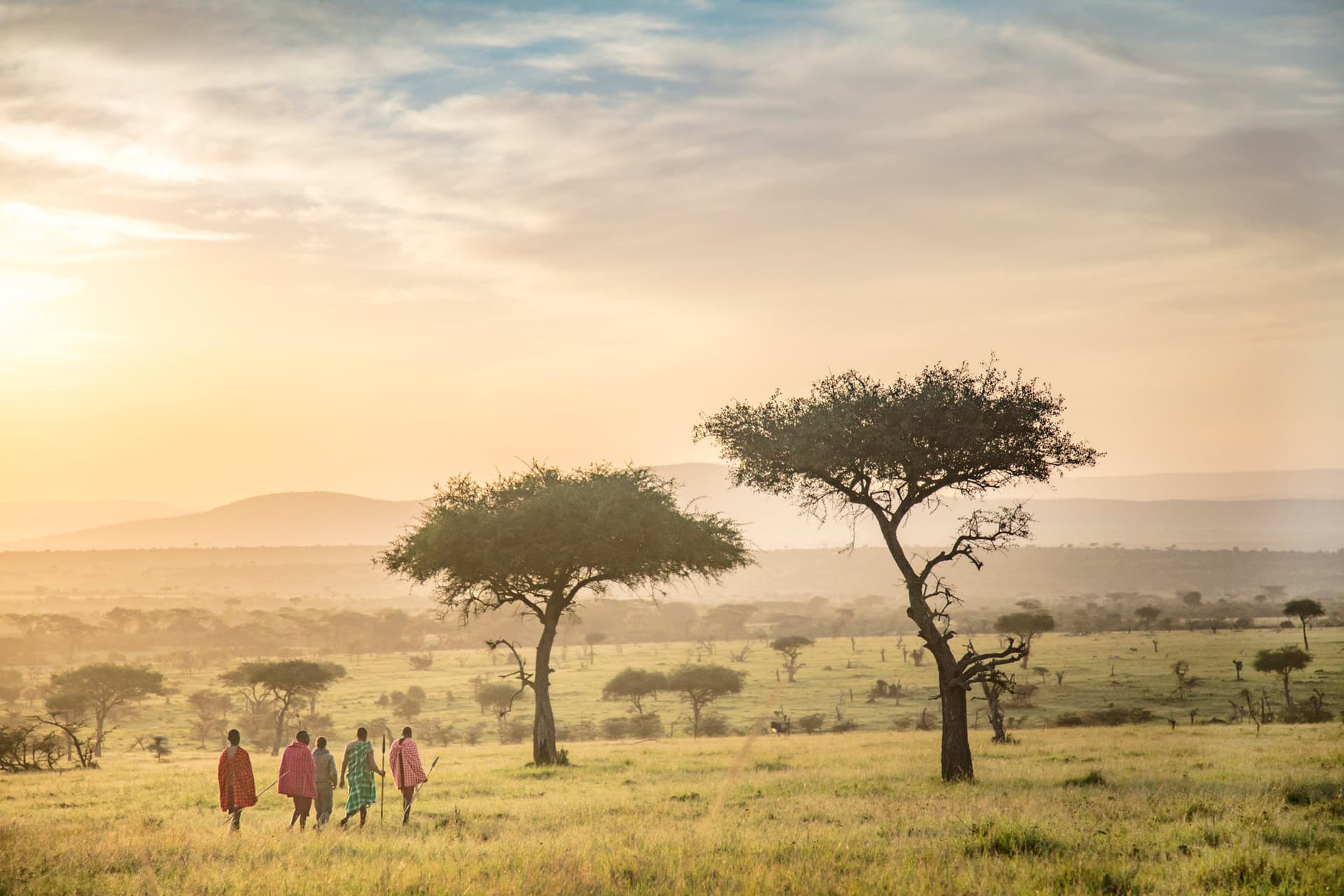
Many conservation stories begin with urgency — a rare wildlife sighting, an animal rescue, a species under threat. These moments matter. They draw attention to the challenges facing the natural world. But when a photographer returns to the same landscapes year after year, something else begins to emerge.
The story is quieter.
Over time, the work shifts away from single moments toward the deeper patterns that shape a place. Landscapes reveal themselves not only through wildlife, but through the lives of the people who move through them and care for them, often in ways that are not immediately visible.
Conservation is rarely defined by a single action. More often, it is shaped by relationships —with land, with wildlife, and with the communities whose lives are tied to those environments.
Photography helps reveal those relationships.
Discovery
Learning to pay closer attention
Many photographers are first drawn to wild places by the hope of seeing something exciting — a leopard emerging from long grass, a mass movement of wildebeest across the landscape, moments that feel unexpected and alive.
These experiences can be powerful, and they often become the images people remember. But spending more time in the same places begins to change what draws your attention.
The focus shifts.
Instead of searching for a single moment, you begin to notice how a place is lived in. How people and wildlife move through the same space. How daily activity continues to shape life and land.
Photography becomes less about capturing sudden moments, and more about observing what is present.
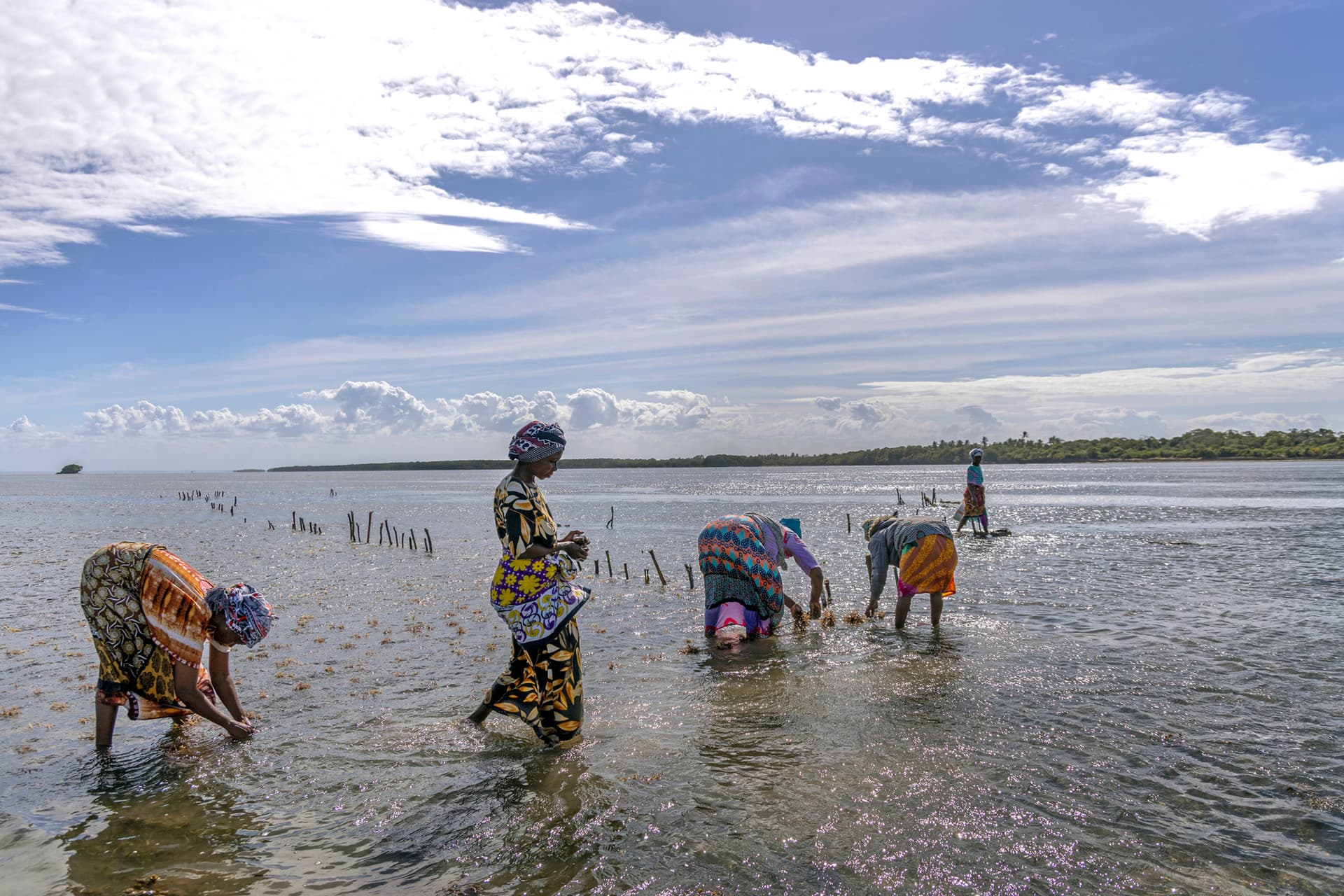
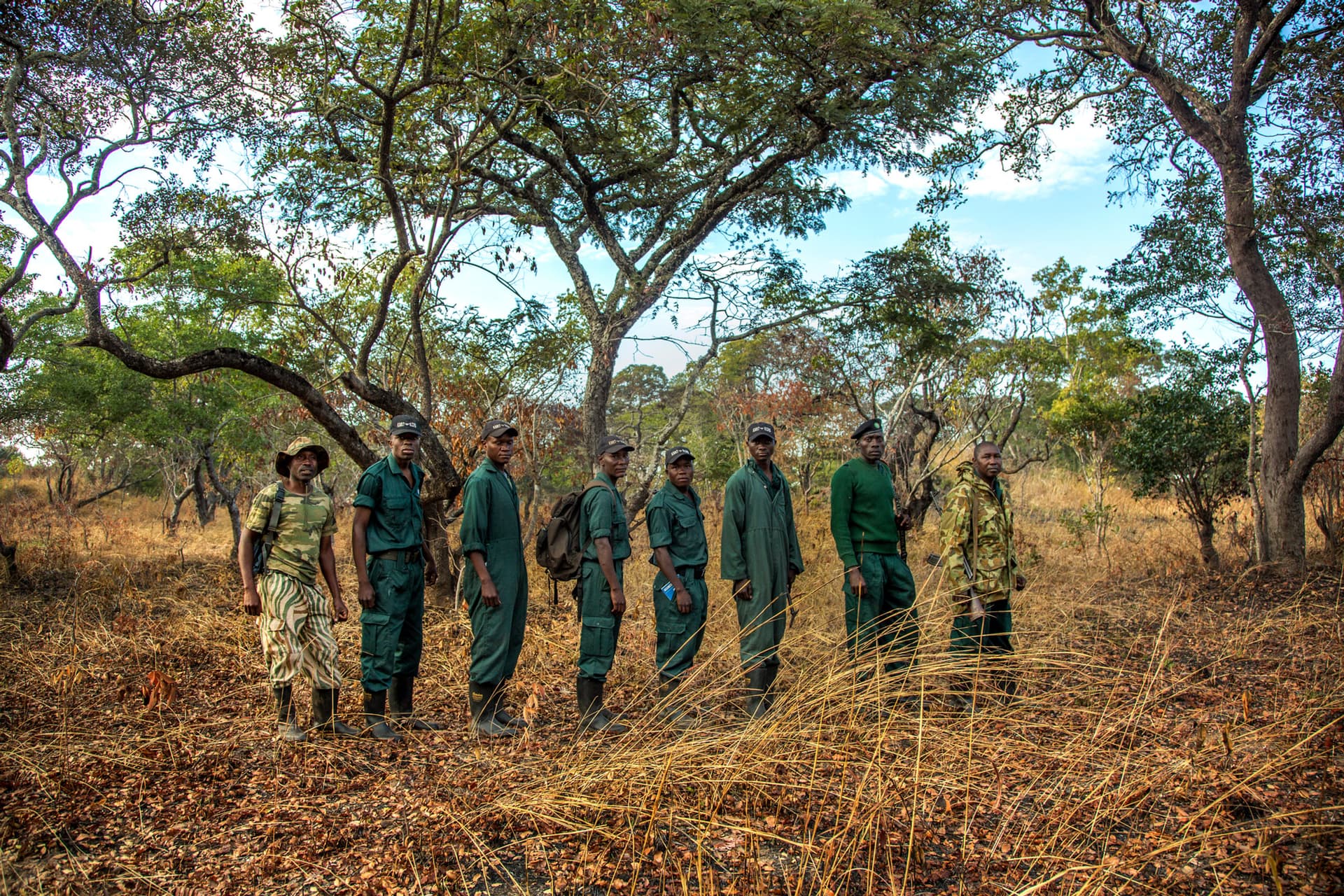
Across many landscapes in East Africa, conservation is closely tied to everyday life. Livestock grazing patterns influence wildlife movement. Fishing communities help maintain coastal ecosystems. Rangers and community leaders work together to protect land that supports both people and wildlife.
These relationships are not always obvious at first glance. But when photographers return over many years, they become clearer.
What first appears to be a wildlife landscape is also a human one — shaped by knowledge, responsibility, and long familiarity with the land.
Learn
What returning reveals
Some landscapes do not reveal themselves all at once.
On a first visit, a place often presents its scale and beauty — open plains, forests stretching to the horizon, wildlife moving across the land. It is easy to focus on what is immediately visible.
But returning again and again allows different details to surface. Over the years, I have found myself noticing things I would have missed on those first visits.
A herder with his cows crossing a valley in the early morning light.
A ranger beginning a patrol before sunrise, boots still dusty from the previous day.
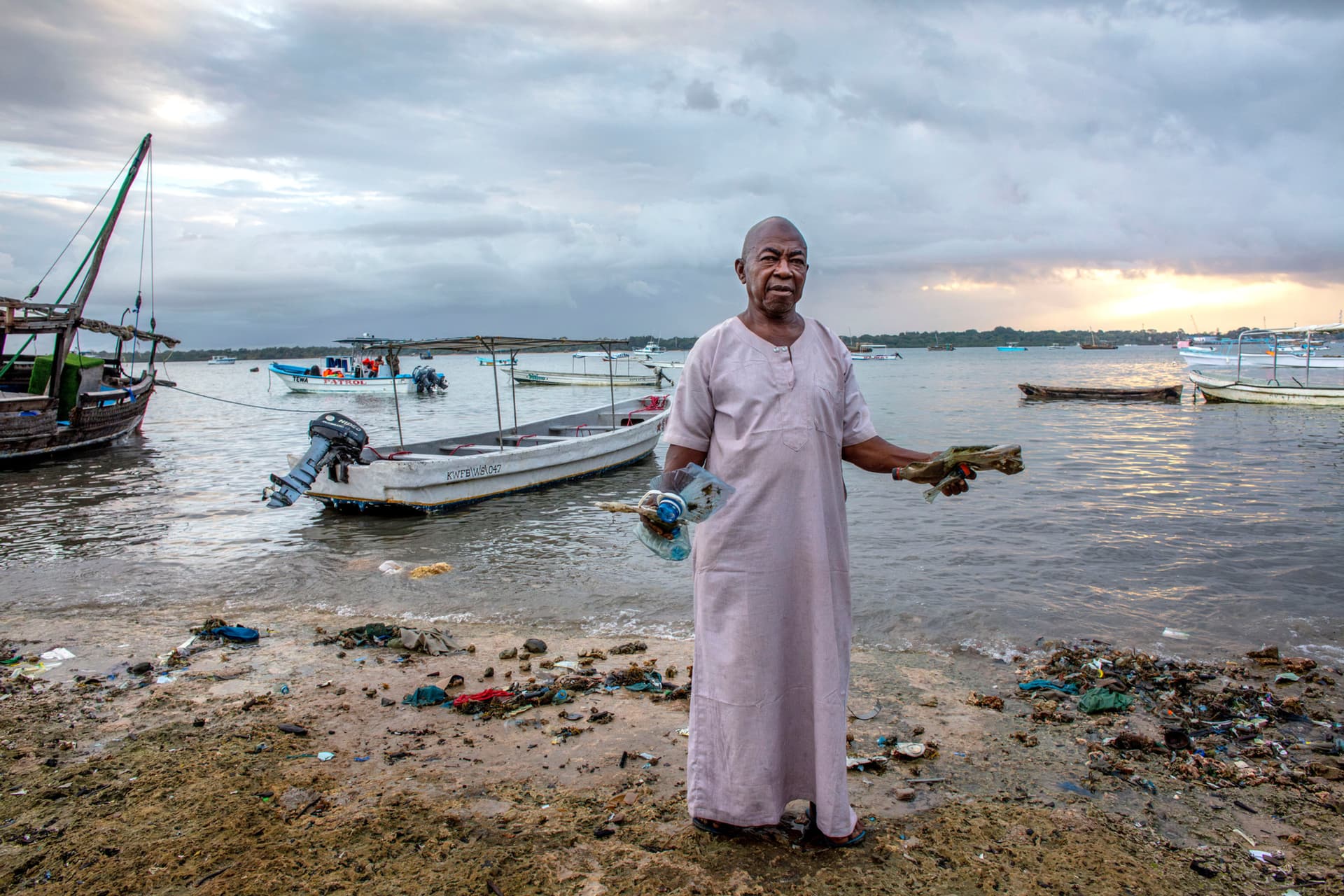
A fisherman checking nets along a mangrove shoreline, pulling them in slowly against the tide.
Individually, these moments may seem small. But over time, they begin to form a deeper picture of how landscapes are lived in and sustained. You begin to understand that conservation is not separate from daily life — it is shaped by it.
Seeing Change
With time, another layer begins to emerge.
Change.
Some of it is subtle.
A grazing area that feels more pressured than it did before.
A coastline where the waterline now has more plastic washed up.
Wildlife moving differently through a landscape that is becoming more fragmented.
These changes are not always visible on a single visit. They reveal themselves slowly, over months and years.
Returning allows you to notice not only what is present, but what is shifting — and sometimes, what is being lost.
This is often where the urgency of conservation becomes most real.
Not in a single dramatic moment, but in the gradual changes that reshape a place over many years.
Protect
Conservation as a shared responsibility
The longer one works within conservation landscapes, the clearer it becomes that protection rarely comes from a single action.
Instead, it grows through cooperation, patience, and a shared sense of responsibility.
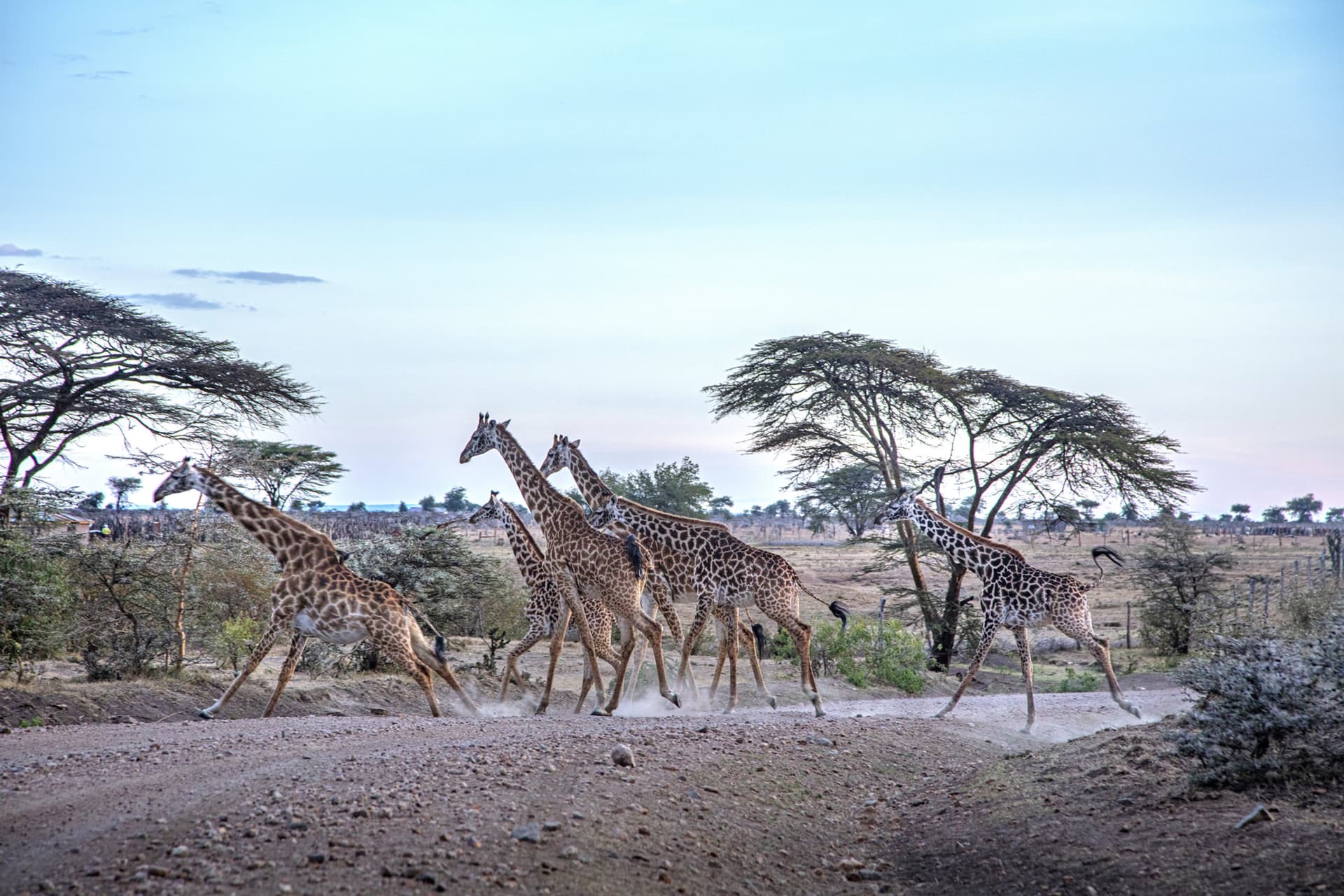
Wildlife protection depends on healthy ecosystems. Those ecosystems depend on people who value and care for the land. And that care develops through connection, learned knowledge, and continuity.
Photography can help make these relationships visible.
By going back to the same places over many years, it becomes possible to document not only the beauty of a landscape, but also the effort that sustains it.
The most meaningful conservation stories are often the quietest ones.
They are found in the steady work of people who care for the land, in the dedication required to protect wildlife, and in the relationships that allow both to continue. Learning to see these connections takes time.
But once they become visible, they can change how we understand conservation — and the role each of us plays in protecting the places we love.
Written by
Photographer
Georgina GoodwinGeorgina Goodwin is an award-winning conservation photographer based in Kenya, documenting the relationship between people, land, and wildlife. With more than 20 years of experience, her work focuses on environment, conservation, and community, telling stories that connect people to place and what is at stake. She is an Associate Fellow of iLCP, a former Canon Ambassador, and a two-time TEDx speaker. Her work has been commissioned by Conservation International, The Nature Conservancy, Oxfam, and WWF, and published by The New York Times, The Guardian, the United Nations, and many others.
Read full profile →Related stories
- Conservation
 Lamu, Kenya
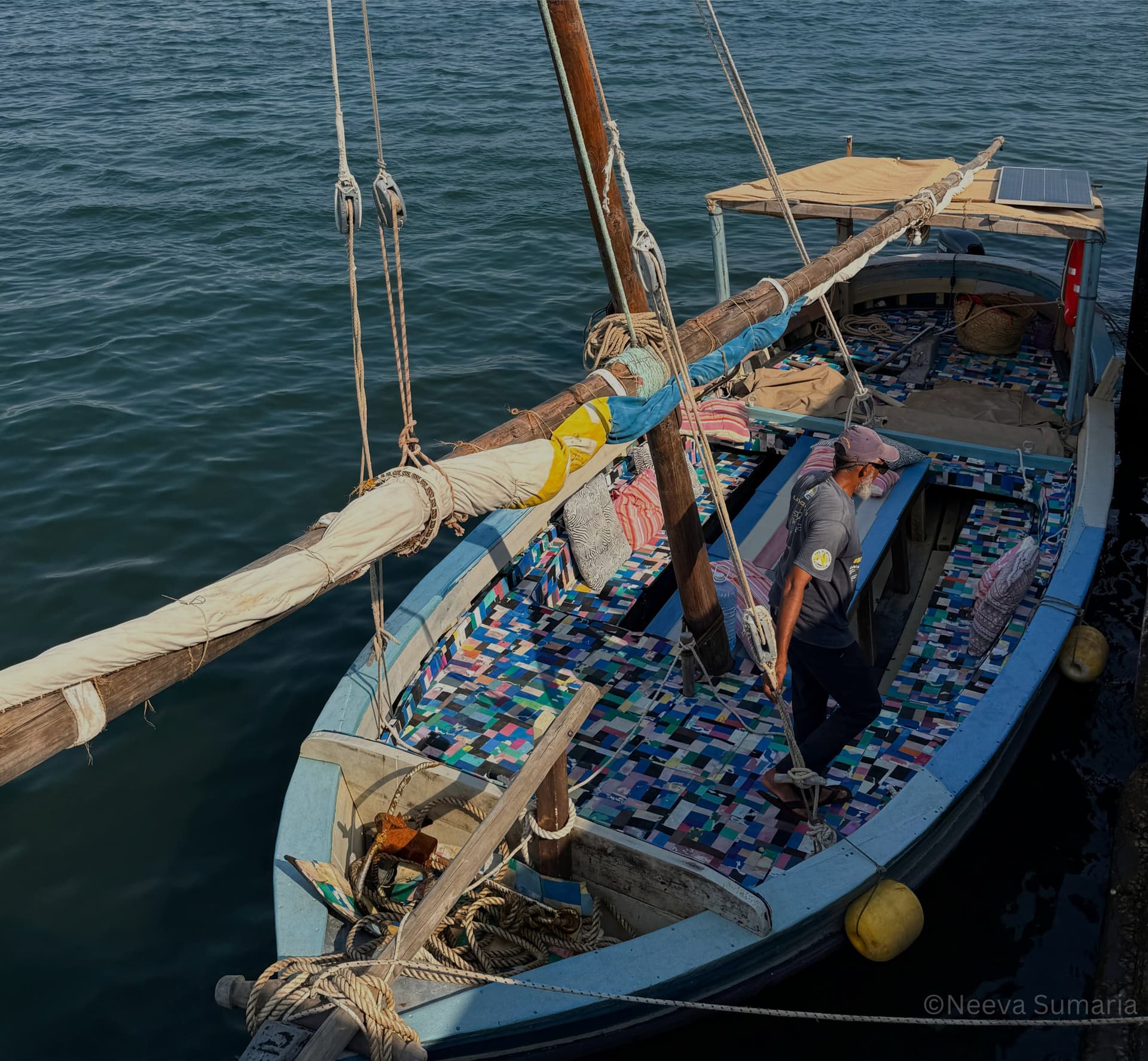
Flipflopi Project: Plastic Waste to Recycled Sailboat - Kila Kitu Inawezekana
A dhow built entirely from recycled plastic sails the East African coast, carrying a simple message about the circular economy: everything is possible.

Neeva Sumaria
Mar 26, 20268 min
- Conservation
 Watamu, Kenya
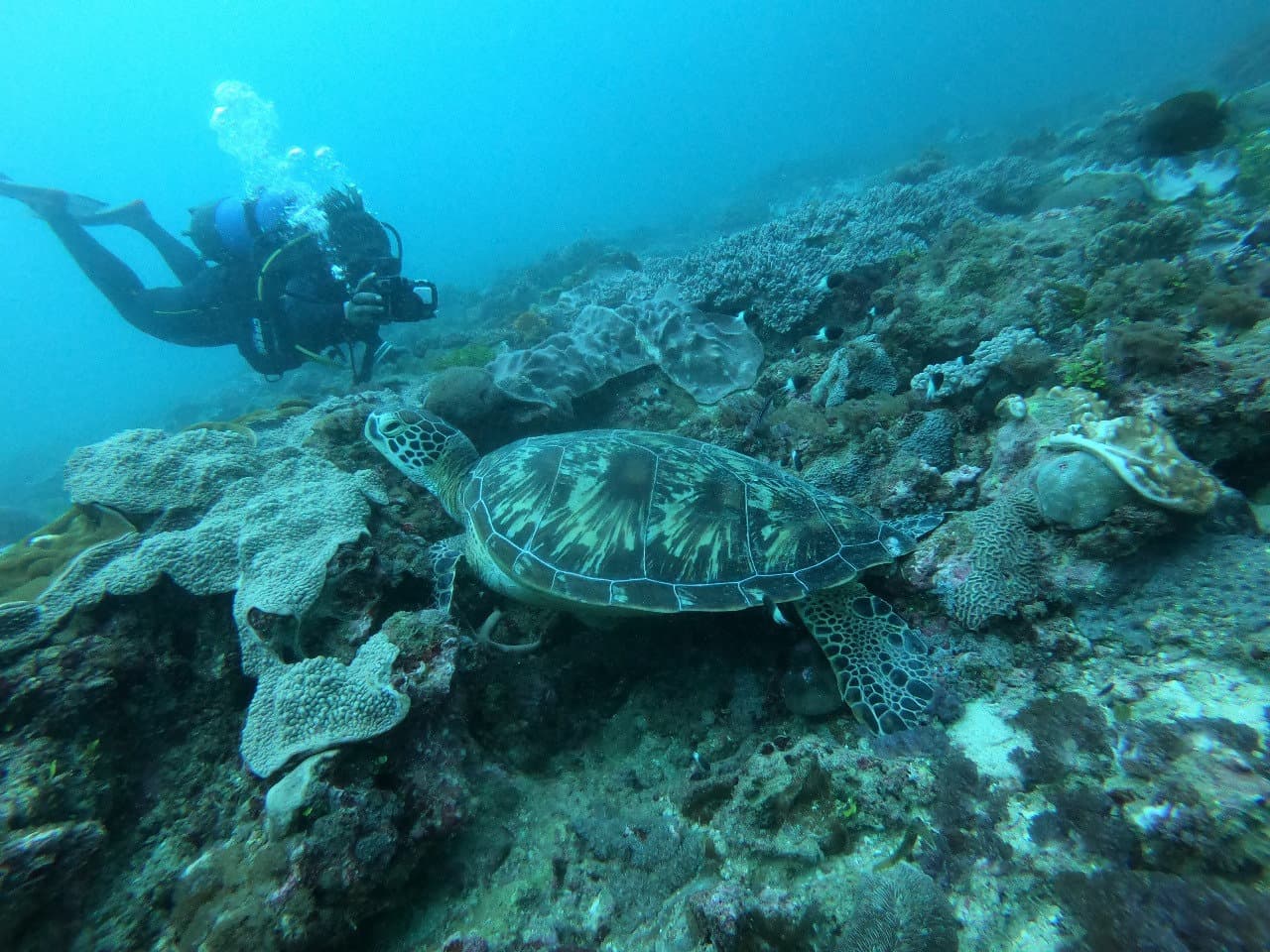
Kenya's Battle to Protect Sea Turtles, at Sea and on Land
Five turtle species, community nest patrols, and thousands of hatchlings guided back to the water along the Kenyan coast.

Amos Kiarie
Sep 12, 20256 min
- Conservation
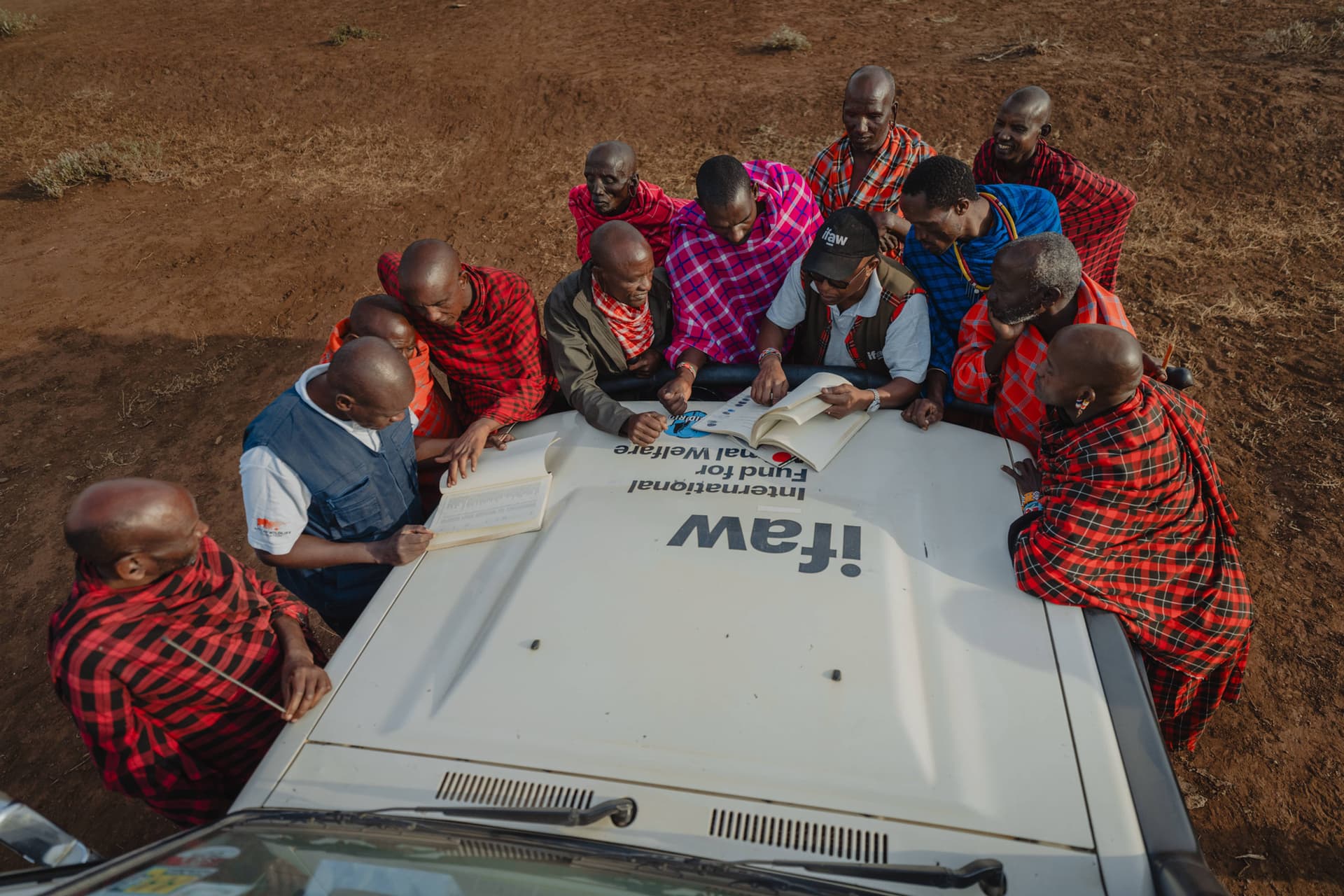 Amboseli, Kenya
Redefining Conservation: Animals and People Thriving Together
Moving past the fence line: the projects proving that wildlife and the communities beside it can recover side by side.

Azzedine T. Downes
Dec 31, 20246 min
- People
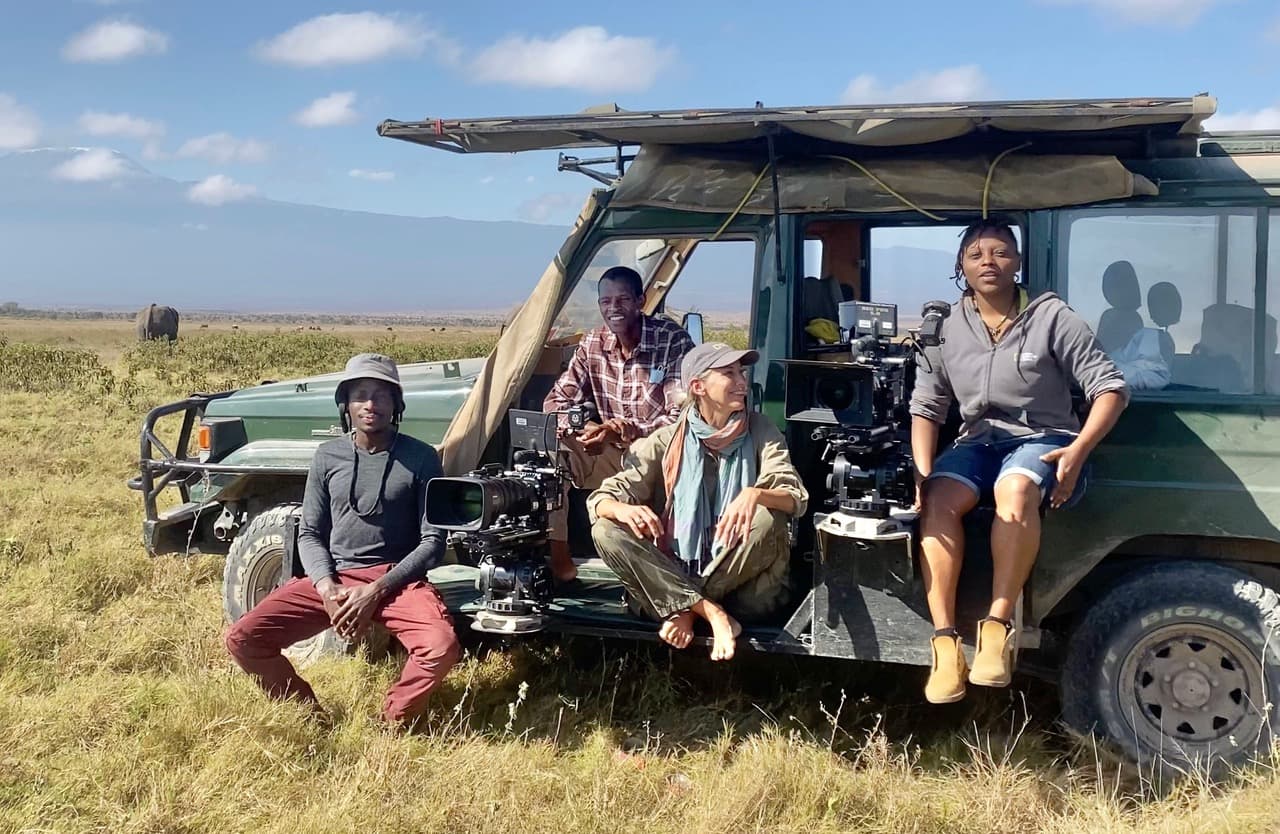 Serengeti National Park, TanzaniaNew
Holding the Door Open
From Ireland to Tanzania, from Hugo van Lawick's Serengeti camp to Queens and the ASC, Sophie Darlington reflects on access, mentorship, representation, and the responsibility to bring others in.

Sophie Darlington
Jul 23, 20265 min
- Birds
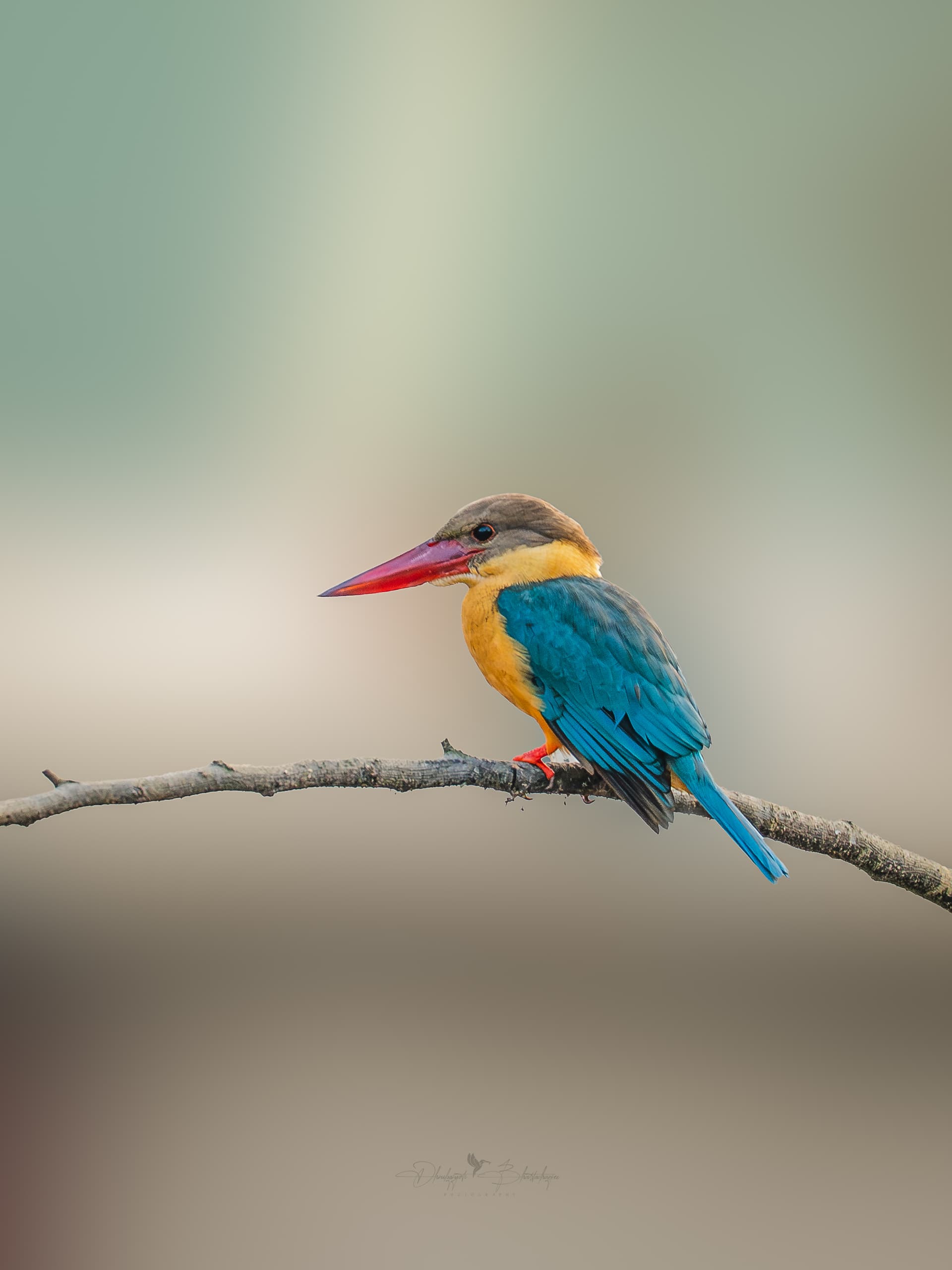 Agartala, IndiaNew
The Rarest Bird in Agartala: a Global Story of Birds Disappearing in Plain Sight
In a north-eastern Indian town where old trees fall and ponds are filled overnight, the scarcest species isn't a bird at all. It's the birdwatcher, and noticing may be the simplest conservation there is.

Dhrubajyoti Bhattacharjee
Jun 30, 20267 min
- Wildlife
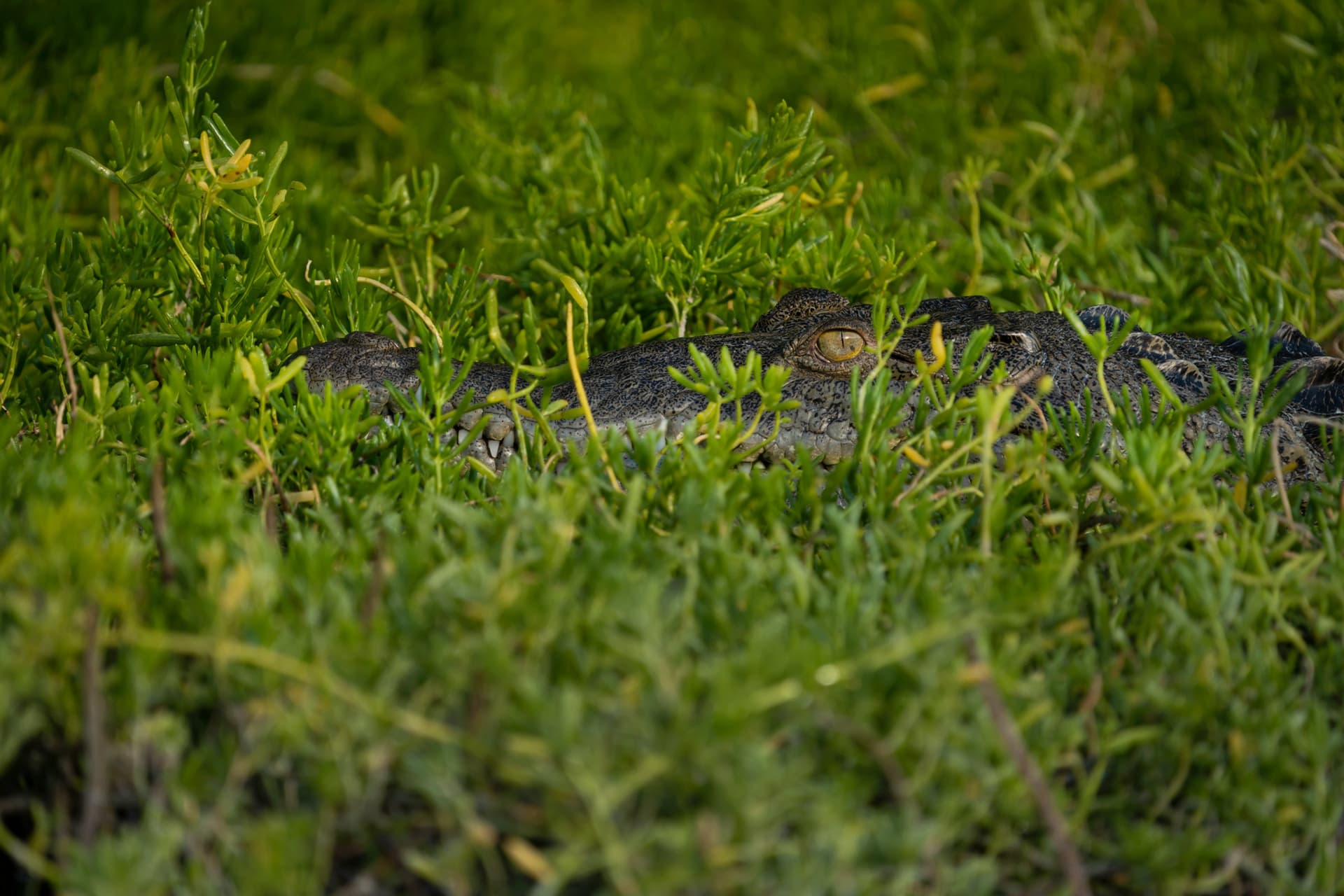 Holbox Island, Mexico
Holbox Wildlife: How Urbanization Is Reshaping Mexico's Yucatán Peninsula
On a sandbar island where flamingos still wade the shallows, rapid development is rewriting the rules of coexistence between people and the wild.

Tamara Blazquez Haik
Feb 17, 20266 min
- Wildlife
 Svalbard, Norway
Climate Change and the Arctic Fox: The Red Fox Invasion
As the Arctic warms, the red fox is pushing north into territory the arctic fox has held for millennia — a quiet contest with the climate as referee.

Jacob Buck
Aug 15, 20244 min
- Marine
 French Polynesia
Guardians of the Deep: Lessons from Humpback Whales on Conservation and Connection
What the great migrations of humpback whales can teach us about resilience, recovery, and the threads that link distant oceans.

Rachel Moore
Mar 5, 20254 min